All Instrumentation
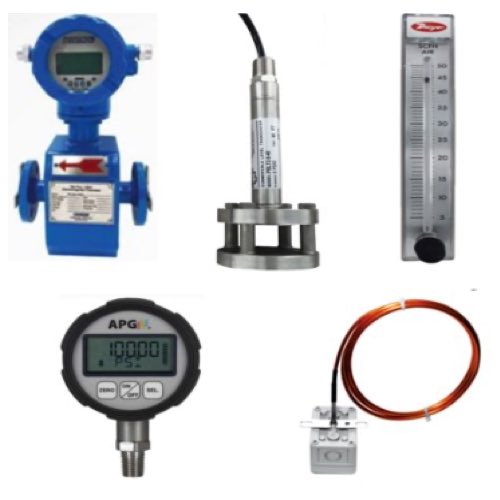
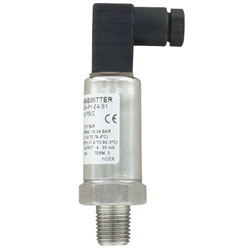
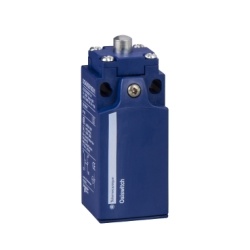
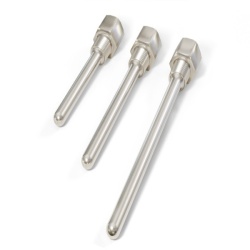
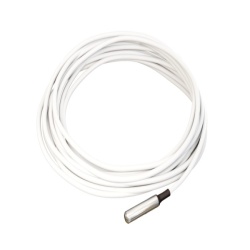
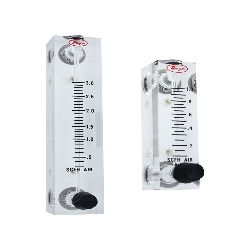
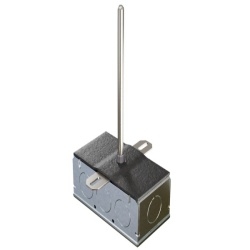
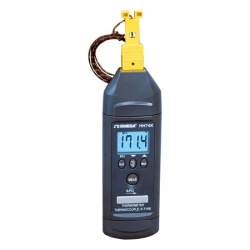
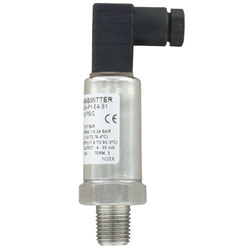
RSP Supply offers a full range of reliable industrial instrumentation designed for precise measurement, monitoring, and control in automation, process, and manufacturing environments. Our products ensure accurate, real-time performance in applications that demand safety, consistency, and efficiency.
Precision measurement, monitoring, and control form the foundation of modern industrial operations. At the heart of every process lies a network of intelligent instruments that translate the physical world into actionable digital data. These devices monitor key parameters; such as pressure, flow, temperature, level, and speed, providing critical insights that help maintain smooth and efficient operations. Industrial instrumentation plays a vital role in ensuring accuracy and consistency. From individual sensors to multi-channel controllers, transmitters, and smart assemblies, these devices work together to collect and relay essential process information. Smart instrumentation not only measures and transmits data but also self-monitors its own performance, allowing control systems to make real-time adjustments that improve reliability, safety, and energy efficiency.
Whether you're building a new automation system or upgrading existing controls, RSP Supply provides the high-quality instrumentation solutions you need for dependable performance and accurate data acquisition.
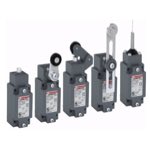 ABB Instrumentation
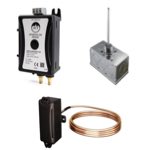 ACI Instrumentation
 APG Instrumentation
 API Instrumentation
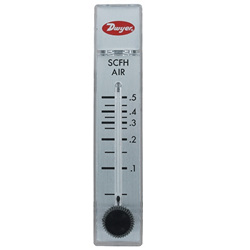
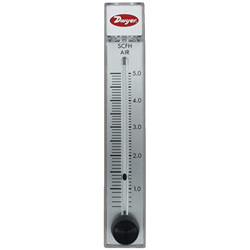
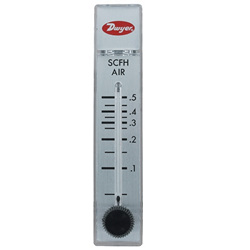
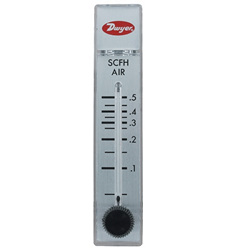
 Dwyer Instrumentation
 Eaton Instrumentation
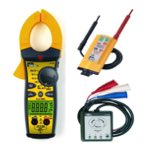 Ideal Instrumentation
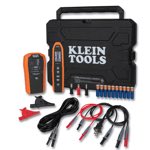 Klein Tools Instrumentation
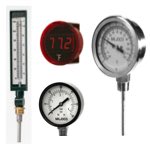 Miljoco Instrumentation
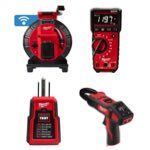 Milwaukee Tools Instrumentation
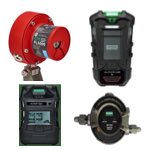 MSA Instrumentation
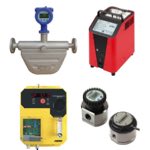 Omega Instrumentation
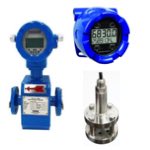 Tek-Trol Instrumentation
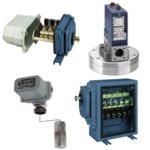 Telemecanique Instrumentation
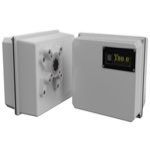 USI Instrumentation
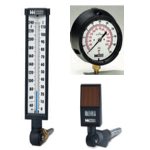 Weiss Instrumentation
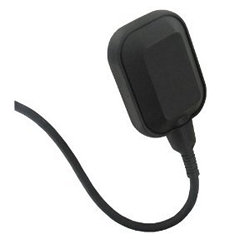
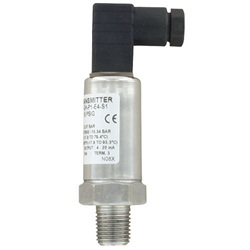
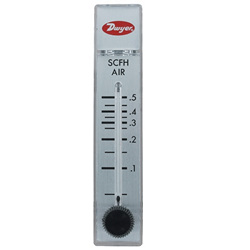
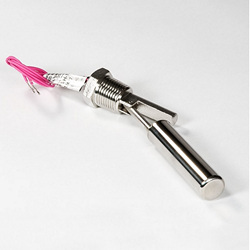

FAQs
What is industrial instrumentation?
Industrial instrumentation refers to the devices and systems used to measure, monitor, and control physical processes such as flow, pressure, temperature, level, and more.
What types of measurements do instrumentation devices handle?
Instrumentation covers a wide range of variables including flow, pressure, temperature, level, pH, conductivity, vibration, speed, and chemical concentration.
What is the difference between a sensor and a transmitter?
A sensor detects the physical variable, while a transmitter converts that reading into a standardized electrical signal (like 4–20 mA) that a controller or PLC can interpret.
Why is accurate instrumentation important?
Accurate measurements prevent downtime, maintain product quality, improve safety, reduce waste, and help automation systems operate at peak efficiency.
What are the most common communication protocols in instrumentation?
HART, Modbus, Profibus, Foundation Fieldbus, and Ethernet/IP are common protocols used for transmitting measurement data and diagnostics.
Why Buy Industrial Instrumentation from RSP Supply
RSP Supply delivers dependable industrial instrumentation solutions that combine precision, reliability, and smart technology. With a broad selection of products, competitive pricing, and expert technical support, we help customers enhance accuracy, optimize processes, and ensure long-term operational success.