

API Instrumentation
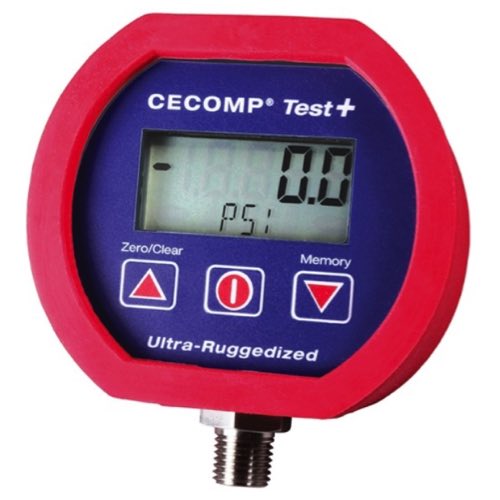
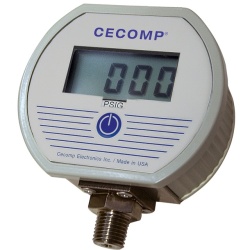
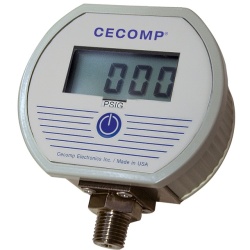
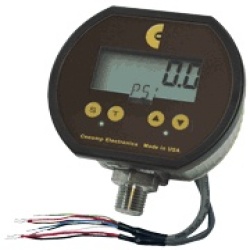
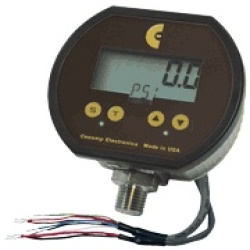
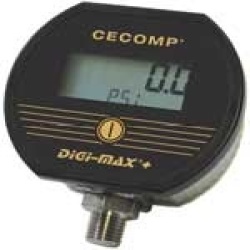
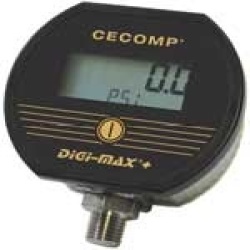
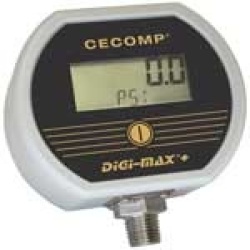
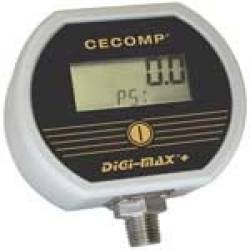
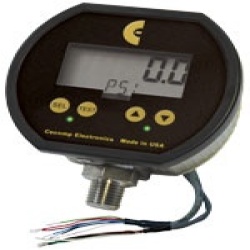
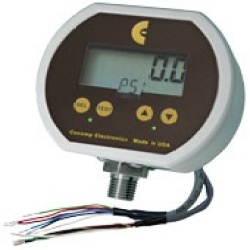
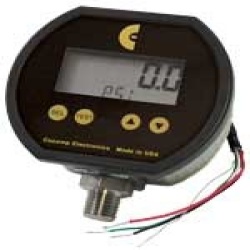
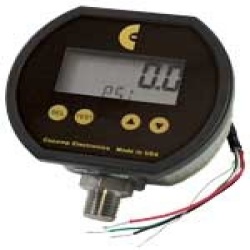
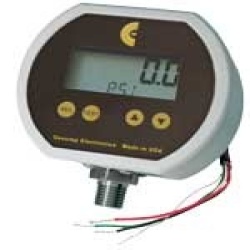
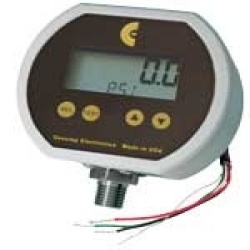
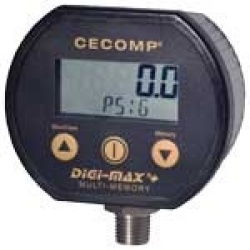
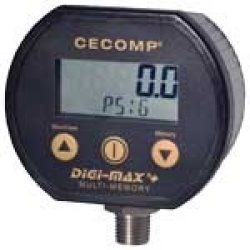
API pressure gauges are designed to provide clear, dependable pressure measurement in industrial systems operating under demanding conditions. RSP Supply offers API pressure gauges for applications where operators need accurate local pressure indication to help maintain safe and efficient system performance. These gauges are commonly used in machinery repair facilities, hydraulic systems, compressors, pumps, and water or wastewater equipment where rugged construction and straightforward readability are essential.
Many API pressure gauges are built for reliable operation in environments with vibration, pulsation, and fluctuating pressure. Select models, including API 4385 gauges, are designed to improve needle stability and readability in dynamic systems where standard gauges may be harder to read accurately. Glycerin-filled options are also available to help reduce pointer movement in pulsating conditions, making these gauges well-suited for industrial equipment that experiences continuous motion or pressure variation.
API pressure gauges are available in a broad range of pressure ratings and configurations to support both new installations and replacement applications. Their analog dial design allows technicians and operators to assess system pressure quickly at a glance, while durable construction helps support long service life in industrial environments. With solutions built for safety, readability, and dependable measurement, API pressure gauges help support reliable monitoring across a wide range of process and equipment applications.




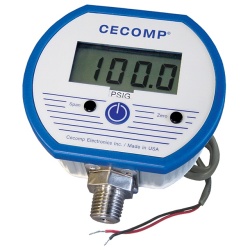
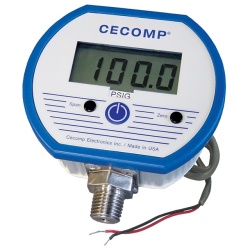
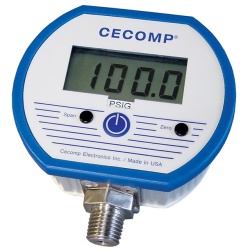
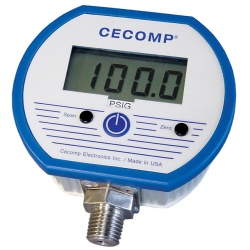

FAQs
Q: What are API pressure gauges used for?
API pressure gauges are used to monitor and display system pressure in industrial equipment such as pumps, compressors, hydraulic systems, and water or wastewater installations.
Q: What pressure ranges are available from API instruments?
API instruments are available in a wide range of pressure scales, supporting both low-pressure applications and high-pressure systems found in heavy industrial environments.
Q: What is API 4385 used for?
API 4385 pressure gauges are commonly used in applications that require stable, easy-to-read pressure measurements, particularly in systems subject to vibration or fluctuating pressure.
Q: Does API offer glycerin-filled pressure gauges?
Yes. Many API pressure gauges are glycerin-filled to reduce needle movement and improve readability in pulsating or high-vibration conditions.
Q: Can API pressure gauges be used in water and wastewater systems?
Yes. API pressure gauges are frequently used in water and wastewater applications due to their durability, accuracy, and availability in corrosion-resistant configurations.
Why Buy API Pressure Gauges from RSP Supply
RSP Supply offers a reliable selection of API pressure gauges designed for accurate pressure monitoring in industrial environments. With gauge options suited for pumps, compressors, hydraulic systems, and water treatment applications, customers can source practical pressure measurement solutions for both replacement and new equipment needs.