
USI Instrumentation
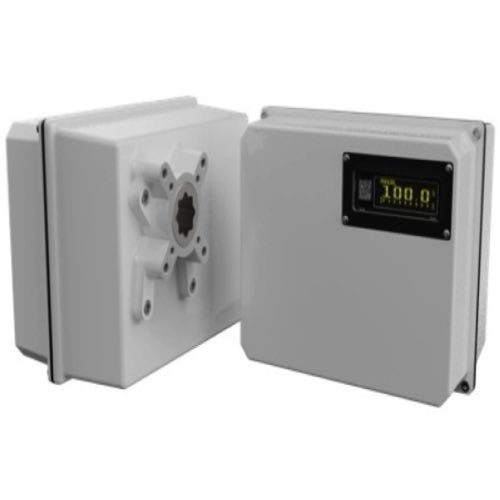
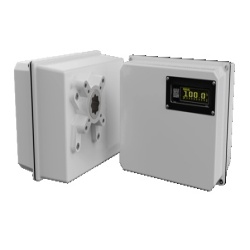
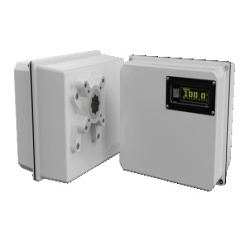
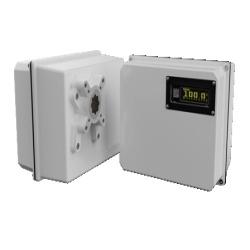
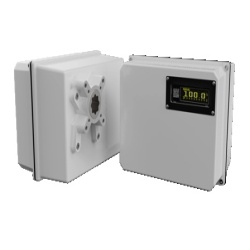
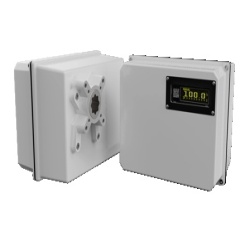
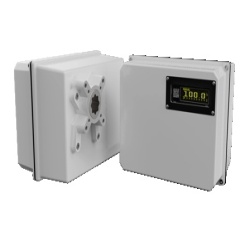
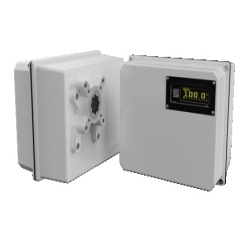
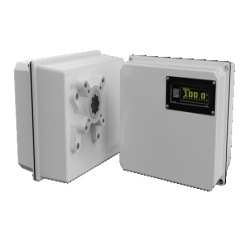
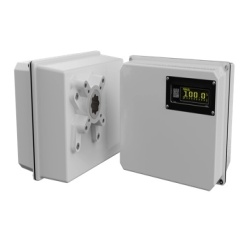
USI actuators are engineered for long-term use, offering simple installation, minimal maintenance, and rugged construction. They are widely used in HVAC systems, water treatment facilities, and manufacturing lines, where they precisely position valves or dampers to control flow, temperature, and other process variables.
The USI electric actuator provides smooth, accurate positioning with control options that include on/off, floating, and modulating types. It’s ideal for applications that require fine adjustment and consistent motion. The USI pneumatic actuator, on the other hand, delivers rapid response, high cycle life, and reliable control for operations requiring fast actuation. Both models are compact, user-friendly, and easy to calibrate, ensuring efficient operation across a broad range of system designs.
FAQs
Q: What applications are USI actuators used in?
USI actuators are used in HVAC, water treatment, and industrial process systems to automate the movement of valves, dampers, and similar control devices.
Q: What types of USI actuators are available?
USI offers both electric and pneumatic actuators, each designed for specific control needs such as on/off, floating, or modulating motion.
Q: Are USI actuators easy to install and maintain?
Yes, USI actuators are known for their simple installation, minimal maintenance requirements, and long operational lifespan.
Q: Can USI actuators provide precise valve positioning?
Yes, electric USI actuators are engineered for smooth, accurate positioning to maintain precise process control.
Q: What are the advantages of pneumatic USI actuators?
Pneumatic USI actuators provide quick response times, high durability, and reliable operation in applications that demand fast and repetitive movement.
Why Buy USI Actuators from RSP Supply
RSP Supply provides a comprehensive selection of USI actuators with expert support, fast shipping, and competitive pricing. Whether you need electric or pneumatic actuation for industrial or HVAC systems, RSP Supply ensures reliable solutions built for long-term performance and control.