
Eaton Instrumentation
Eaton instruments are designed to deliver reliable, high-accuracy measurement and control across electrical, hydraulic, and mechanical systems in demanding industrial environments. RSP Supply offers Eaton instrumentation solutions for applications where consistent data and dependable switching are essential for system safety, efficiency, and control. These products are commonly used in manufacturing, power generation, oil and gas, water treatment, commercial buildings, and heavy equipment applications where dependable monitoring and control support critical operations.
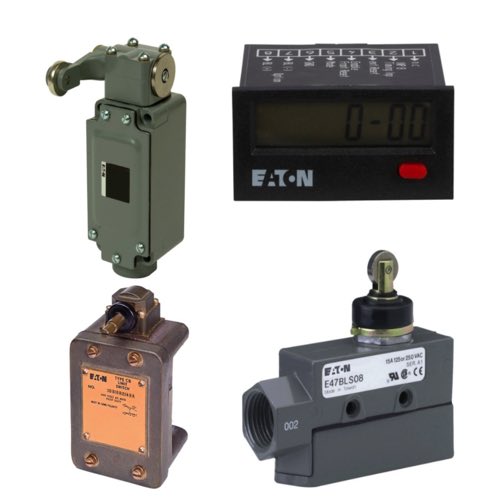
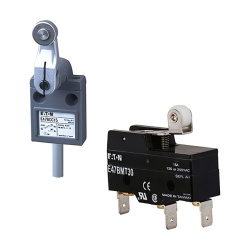
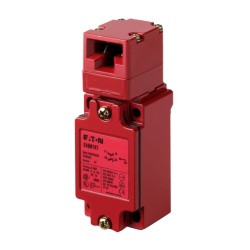
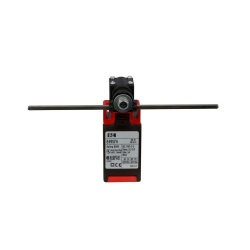
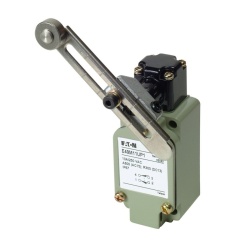
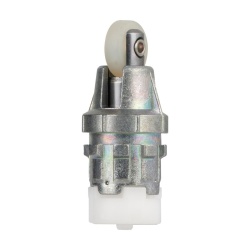
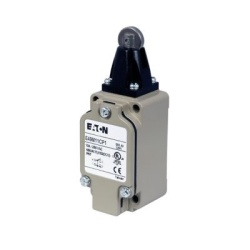
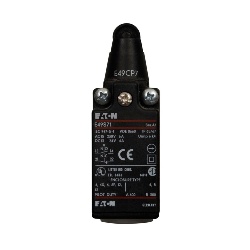
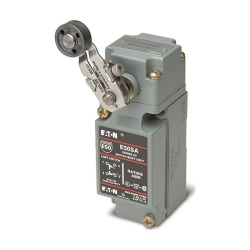
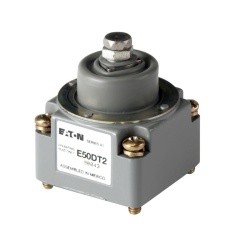
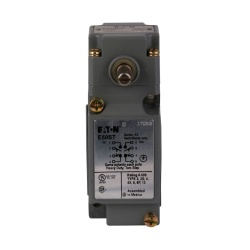
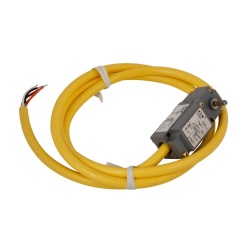
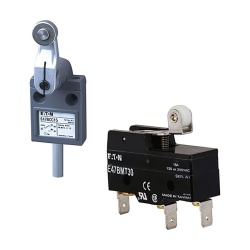
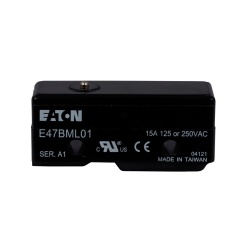
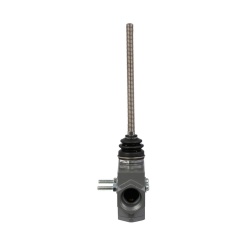
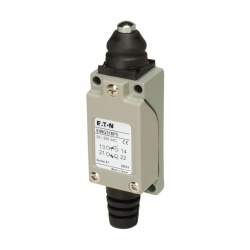
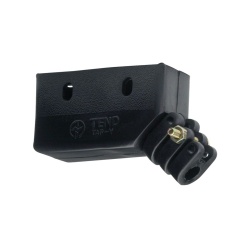
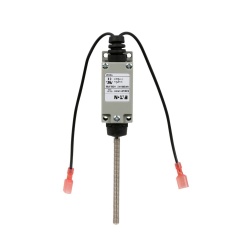
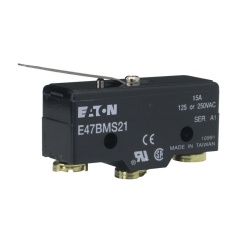
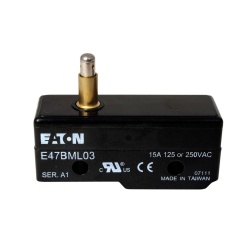
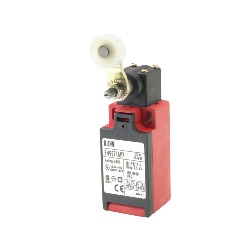
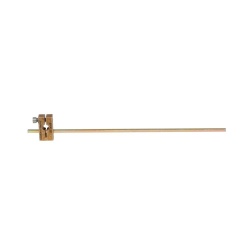
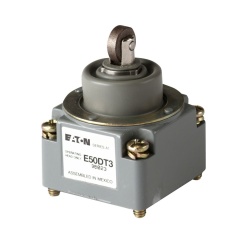
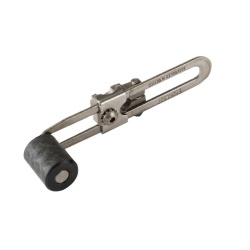
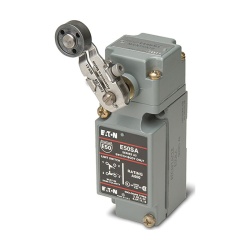
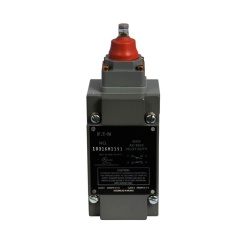
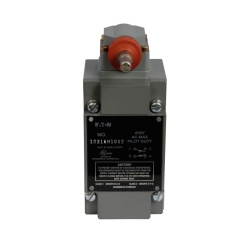
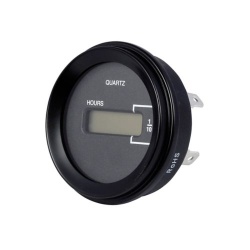
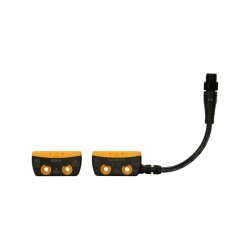
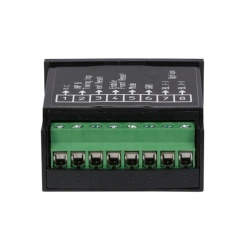
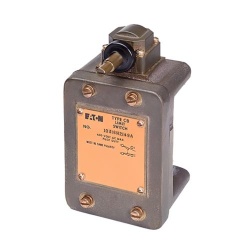
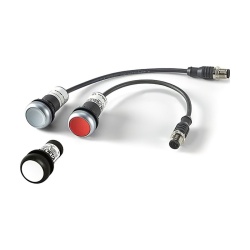
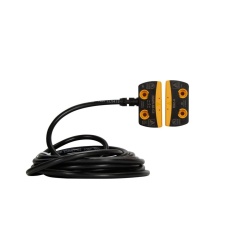
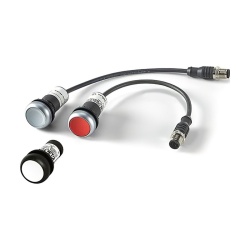
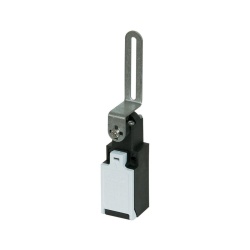
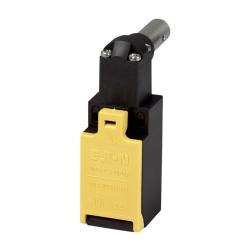
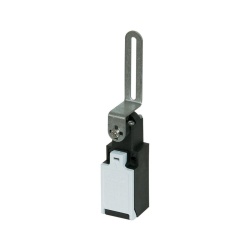
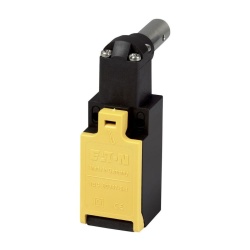
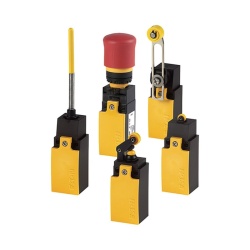
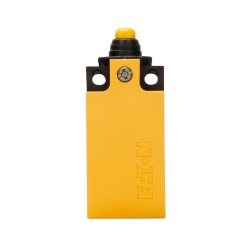
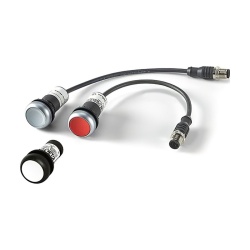
Eaton’s instrumentation portfolio includes pressure sensors, transducers, gauges, miniature DIN limit switches, operators, precision switches, and limit switches engineered for durability in harsh conditions. Their pressure and hydraulic measurement solutions are widely used in fluid power systems, mobile equipment, industrial presses, and hydraulic power units where accurate pressure feedback is required. Eaton switching devices are used to detect position, motion, and equipment status in automation and machinery applications where reliable actuation and repeatable response are important. These products are built to withstand vibration, shock, pulsation, and environmental exposure while maintaining stable performance in demanding installations.
Eaton instruments are selected for applications where rugged construction, reliable measurement, dependable switching, and practical system integration are important. Many Eaton devices support standard outputs, digital communication, and alarm capabilities that help enable real-time monitoring, control integration, and predictive maintenance strategies. With solutions designed for both measurement and machine sensing, Eaton instrumentation helps support accurate monitoring, responsive control, and long-term performance across a wide range of industrial and power applications.


FAQs
Q: What are the primary measurement capabilities offered by Eaton instrumentation?
Eaton instrumentation provides measurement solutions for pressure, level, flow, temperature, and electrical variables in industrial and power system applications.
Q: How does Eaton instrumentation improve process control and efficiency?
Eaton instruments deliver reliable, real-time data that allows operators to adjust processes, improve energy efficiency, reduce waste, and identify potential issues early.
Q: Is Eaton instrumentation designed for harsh industrial environments?
Yes, Eaton instruments are built to withstand vibration, corrosive media, electrical noise, and mechanical stress for consistent performance in demanding conditions.
Q: How does Eaton support integration with control systems?
Many Eaton instruments offer standard analog outputs, digital communication protocols, and calibration features for integration with PLCs, SCADA systems, and other control platforms.
Q: What industries rely on Eaton instrumentation?
Industries such as power generation, water treatment, manufacturing, mining, oil and gas, and heavy equipment operations commonly use Eaton instrumentation.
Why Buy Eaton Instruments from RSP Supply
RSP Supply offers Eaton instrumentation for customers who need dependable measurement solutions for electrical, hydraulic, and industrial systems. With products designed for pressure monitoring, system diagnostics, and process control, customers can source practical solutions for a wide range of applications.