
Industrial Connectors
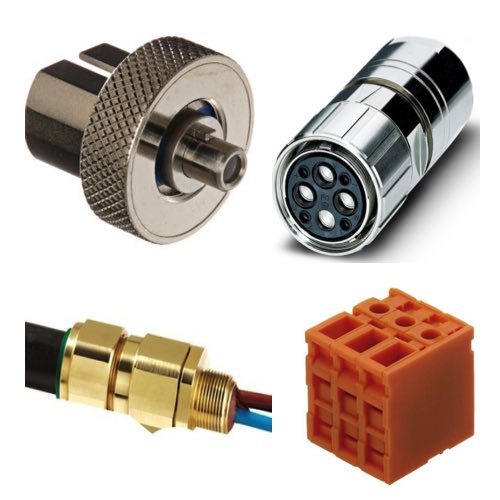
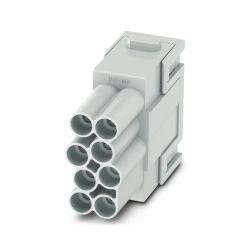
Industrial connectors are engineered to provide secure, dependable power, signal, and data connections in harsh or mission-critical environments. Built to withstand dust, moisture, vibration, chemicals, electromagnetic interference, and temperature extremes, these connectors are widely used in factory automation, manufacturing equipment, robotics, energy systems, transportation, and industrial networking applications.
RSP Supply offers industrial connector solutions from established manufacturers such as Appleton, Phoenix Contact, and Weidmuller. These brands are known for producing connectors that meet demanding industrial requirements, including high ingress protection ratings, vibration-resistant locking mechanisms, and long service life. Their products support reliable operation in both indoor and outdoor installations across a wide range of industries.
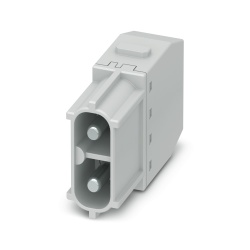
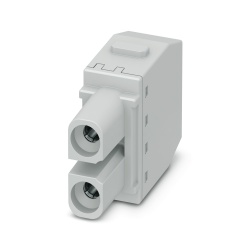
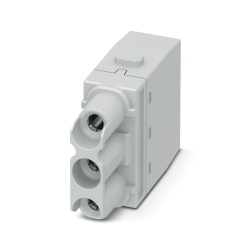
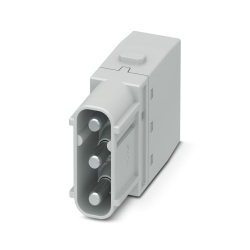
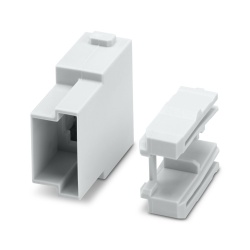
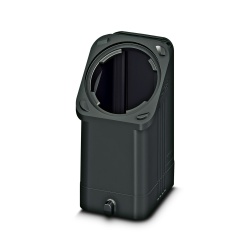
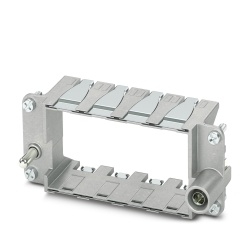
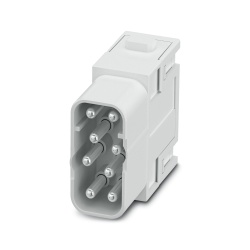
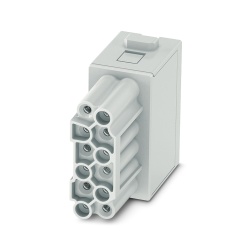
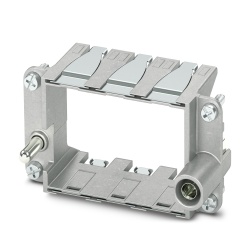
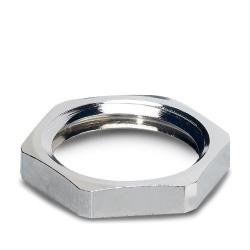
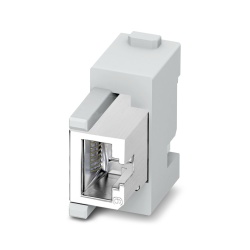
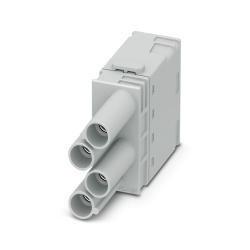
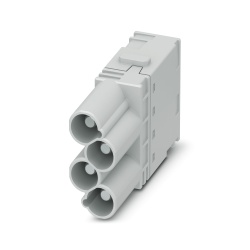
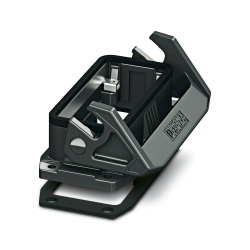
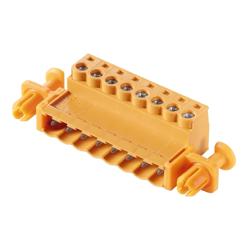
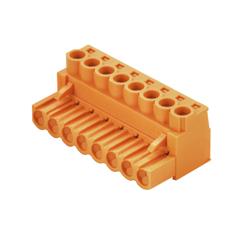
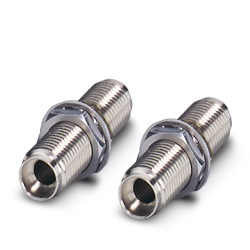
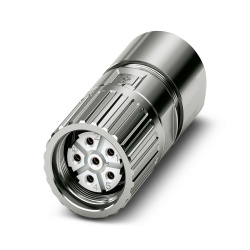
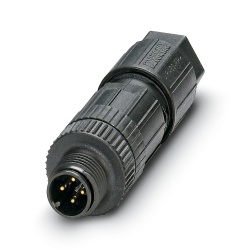
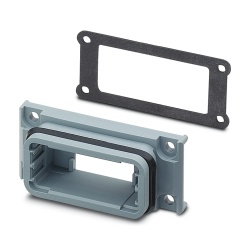
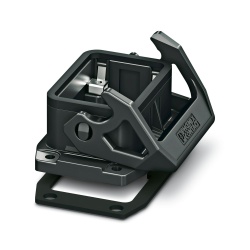
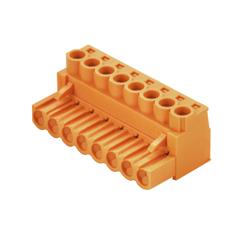
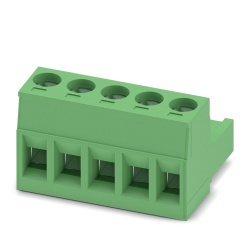
Available in circular, rectangular, hybrid, and protocol-specific designs, industrial connectors support modern automation and IIoT systems by enabling stable communication, reliable power delivery, and efficient system integration. Modular designs and standardized interfaces help reduce installation time, simplify maintenance, and minimize downtime in complex industrial environments.

FAQs
Q: What are industrial connectors used for?
Industrial connectors are used to transmit power, control signals, and data in harsh or high-demand environments where standard connectors may fail due to vibration, moisture, temperature extremes, or chemical exposure.
Q: What types of industrial connectors are available?
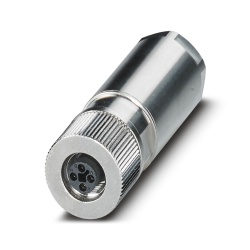
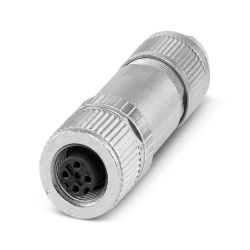
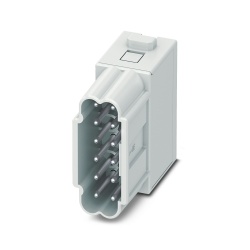
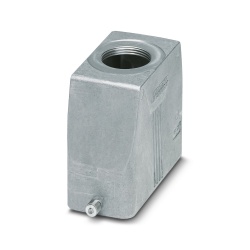
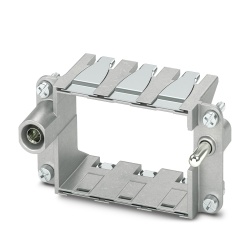
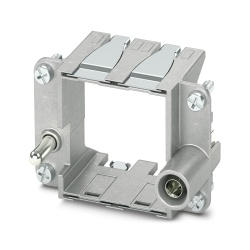
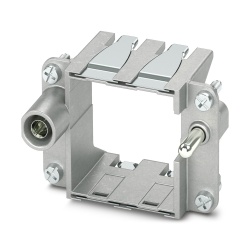
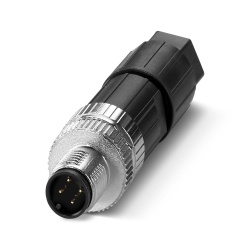
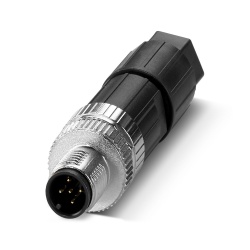
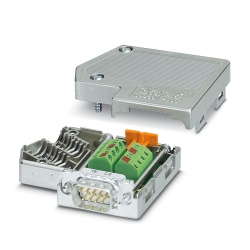
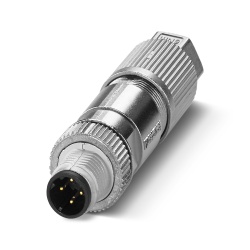
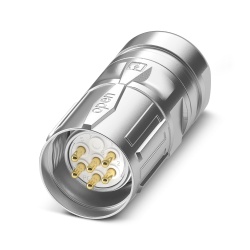
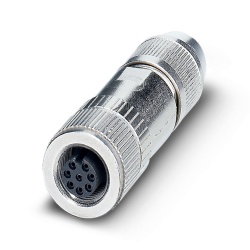
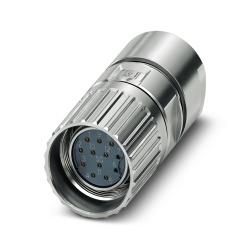
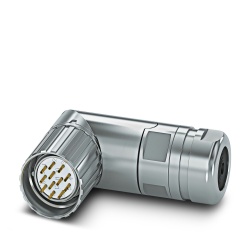
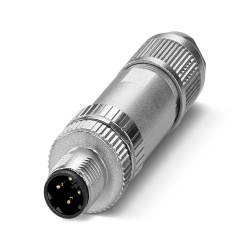
Common types include circular connectors such as M8, M12, M23, and 7/8", heavy-duty rectangular connectors, multipole connectors, industrial Ethernet connectors, motor and power connectors, and modular hybrid connector systems.
Q: How do I choose the right industrial connector?
Connector selection depends on voltage and current requirements, signal or data type, environmental conditions, ingress protection rating, mechanical stress, connector size, and compatibility with equipment or communication protocols.
Q: What is an IP-rated industrial connector?
An IP-rated connector meets defined standards for protection against dust and water. Ratings such as IP67, IP68, or IP69K indicate resistance to immersion or high-pressure washdown environments.
Q: Why are industrial connectors important in automation and IIoT systems?
They ensure stable, uninterrupted power and data transmission in demanding environments, supporting reliable machine operation, real-time communication, and long-term system durability in automated and connected industrial systems.
Why Buy Industrial Connectors from RSP Supply
RSP Supply offers a broad selection of industrial connectors designed for reliable performance in demanding applications. Our product lineup supports automation, machinery, and industrial networking systems with durable, standards-compliant connectivity solutions. Customers rely on RSP Supply for dependable industrial components, knowledgeable technical support, and consistent sourcing for rugged power, signal, and data connectivity.