
Tek-Trol Instrumentation
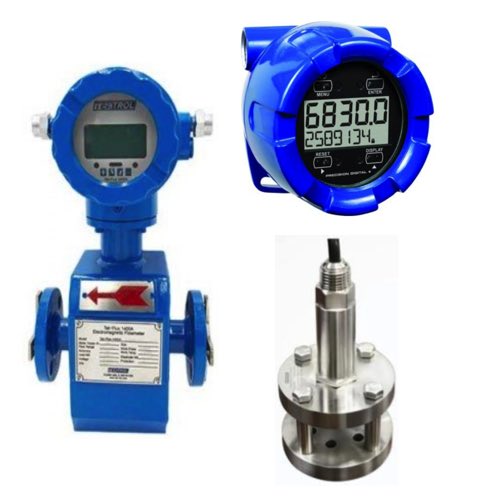
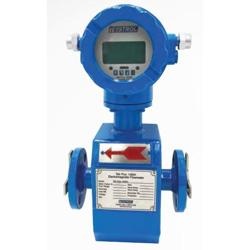
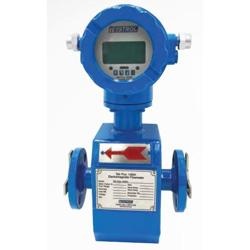
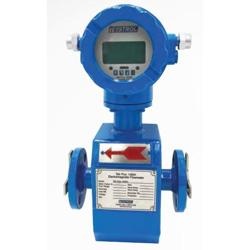
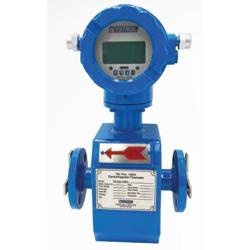
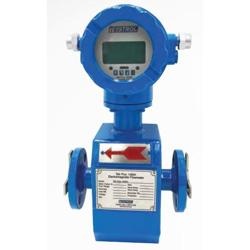
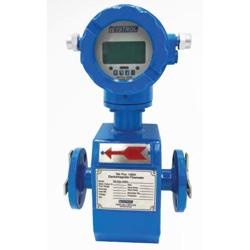
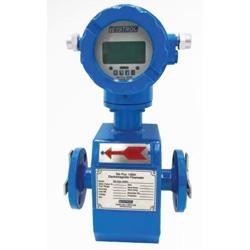
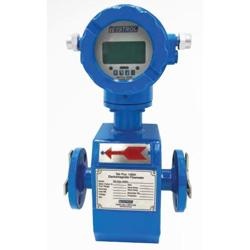
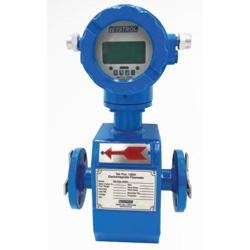
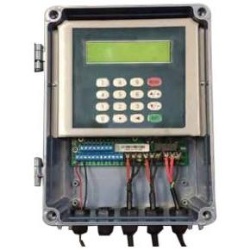
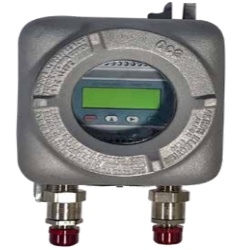
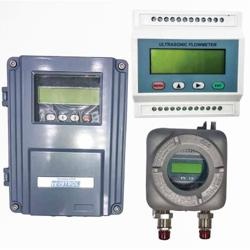
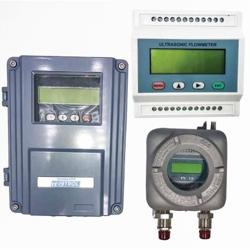
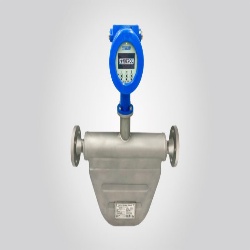
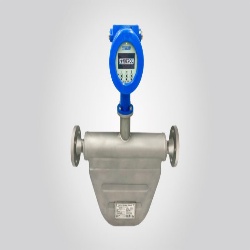
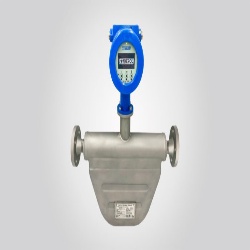
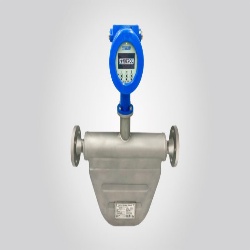
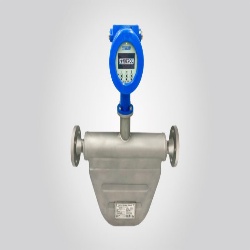
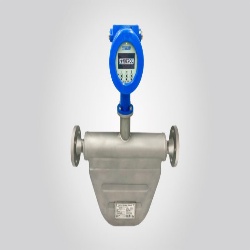
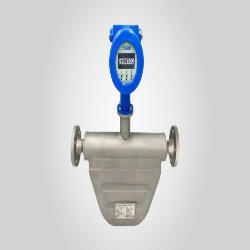
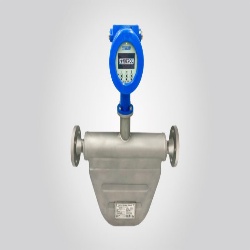
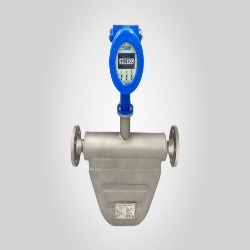
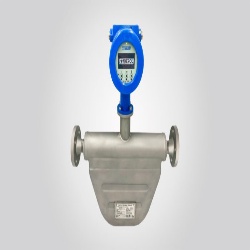
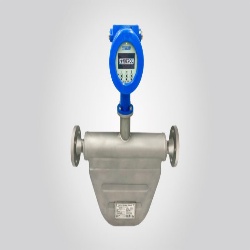
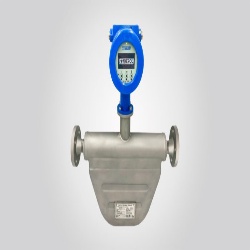
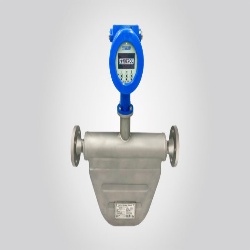
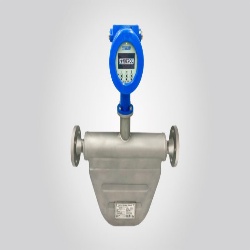
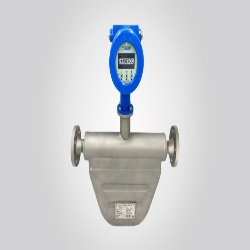
Tek-Trol’s measuring devices have a reputation for excellent performance in the most demanding and complex process environments, where other devices might fail. This special kind of instrumentation is within the wheelhouse of Tek-Trol, which has an engineering team and a modern manufacturing base trained and capable of making reliable devices. Tek-Trol is primarily a flow measurement company. Its product line includes a number of high-performance flow measuring devices based on different principles of operation. For example, the Tek-Trol line of flow measuring devices includes an ultrasonic flow meter, an electromagnetic flow meter, a Coriolis flow meter, and several other kinds of flow meters that are designed for specific applications and kinds of fluids.
In engineering these flow measuring devices, and other related devices for level measurement, pressure measurement, and temperature measurement, Tek-Trol has incorporated a number of features and design principles that have become hallmarks of its modern, reliable instrumentation. They have established a reputation for making sturdy, user-friendly instruments and for providing responsive engineering support. Recent developments in modern manufacturability and smart instrumentation have Tek-Trol well-positioned to continue its establishment as a reliable go-to for accurate, efficient, and affordable process control.
FAQs
What does Tek-Trol specialize in?
Tek-Trol focuses on flow, level, pressure, and temperature measurement technologies for industrial process control.
What types of flow meters does Tek-Trol offer?
They offer ultrasonic, electromagnetic, Coriolis, vortex, and turbine flow meters for liquids, gases, and slurries.
What level measurement devices does Tek-Trol make?
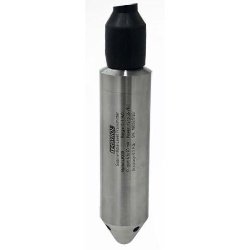
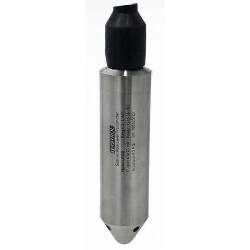
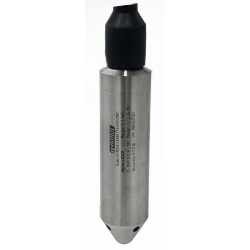
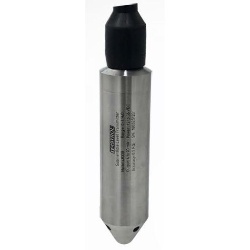
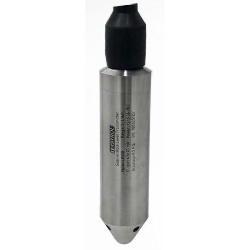
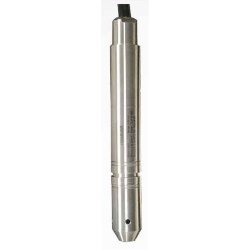
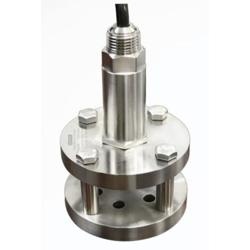
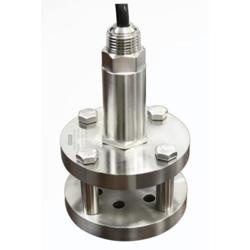
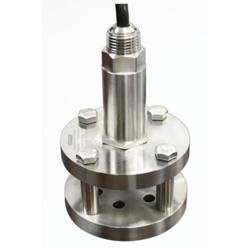
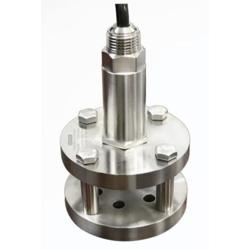
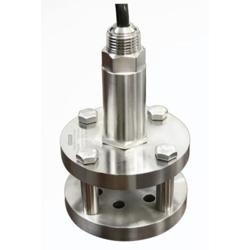
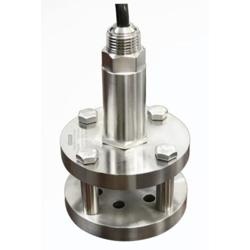
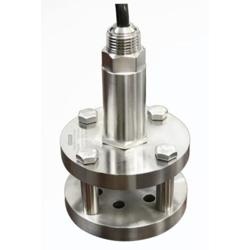
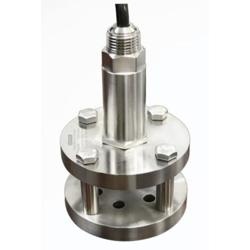
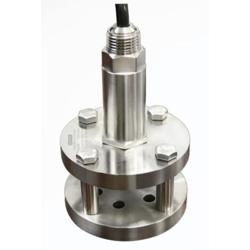
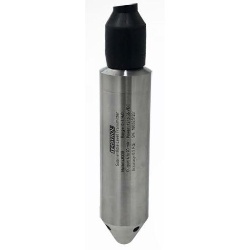
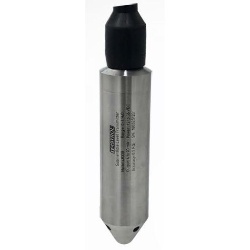
Tek-Trol manufactures radar level transmitters, ultrasonic level sensors, guided-wave radar, and hydrostatic level transmitters.
Does Tek-Trol offer pressure instruments?
Yes. Tek-Trol provides differential pressure transmitters, gauge pressure transmitters, and other pressure sensors for industrial processes.
Do Tek-Trol devices support digital communication?
Many Tek-Trol instruments offer outputs such as 4–20 mA, HART, Modbus, and other digital protocols for automation systems.
Why Buy Tek-Trol Instrumentation from RSP Supply
RSP Supply offers Tek-Trol instrumentation engineered for accurate measurement and reliable industrial performance. Our selection supports dependable process control solutions across a wide range of industrial applications.