
All Push Buttons, Switches & Signaling Devices
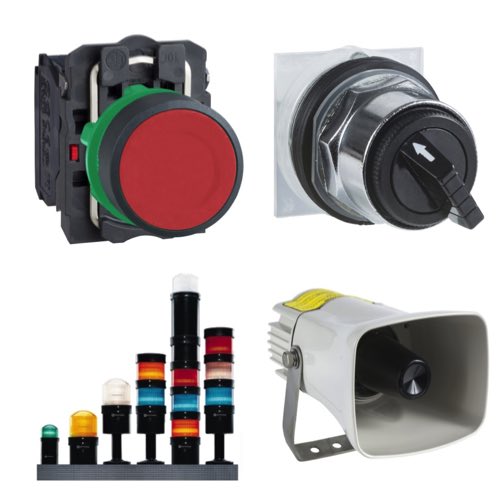
Push buttons, switches, and signaling devices are essential components in industrial control and automation systems, providing the interface between operators and machines. RSP Supply offers a wide range of push buttons, emergency stops, selector switches, stack lights, pilot lights, and audible signaling products designed to support safe, reliable equipment operation. These components are used in control panels, machinery, and automation systems where clear control input and immediate status indication are critical.
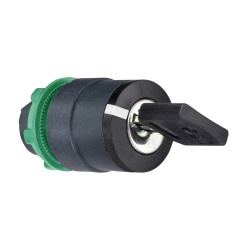
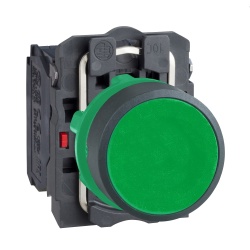
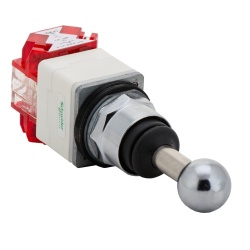
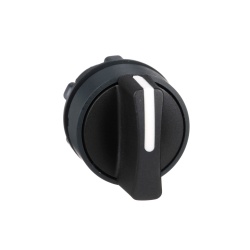
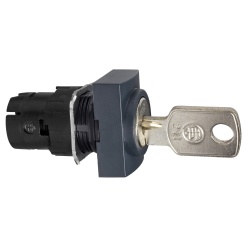
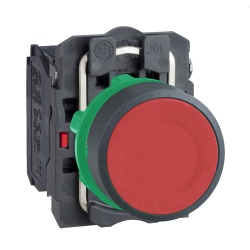
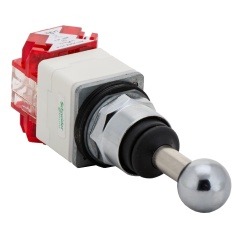
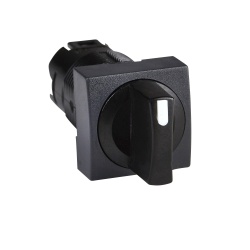
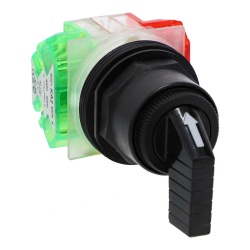
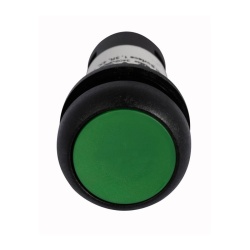
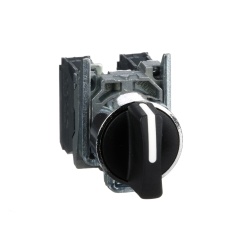
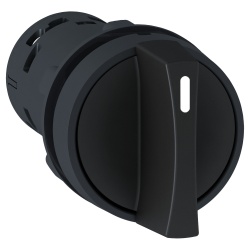
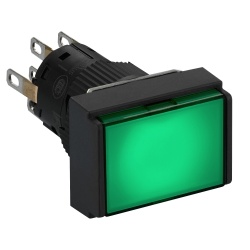
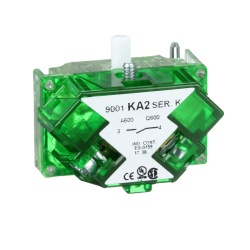
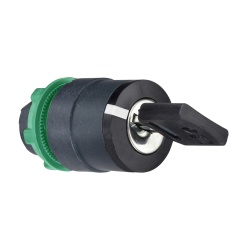
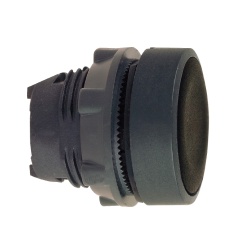
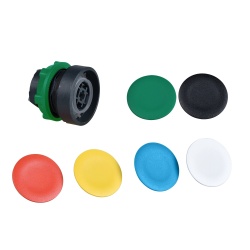
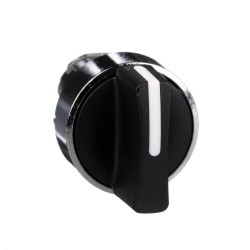
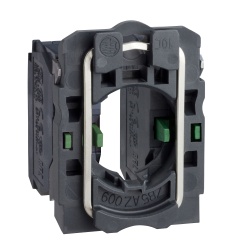
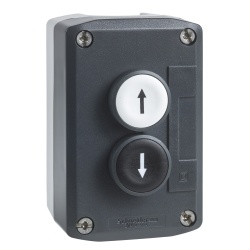
Push buttons are among the most common manual control devices used to start, stop, or reset equipment. They are available in a variety of colors, styles, and illuminated configurations to support different control functions and operator preferences. Switches provide additional control options by opening or closing circuits to manage machine behavior and current flow. Selector switches allow operators to choose operating modes, while other switch types, such as limit switches, help detect movement or position within a machine or process. Many push buttons and switches use contact blocks to perform their electrical switching functions inside the control assembly.
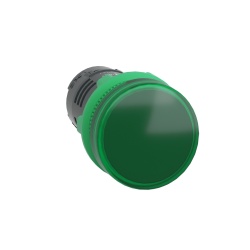
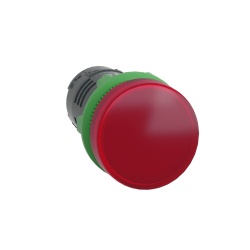
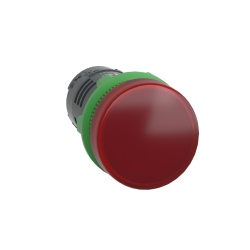
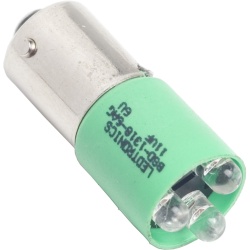
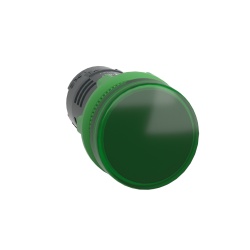
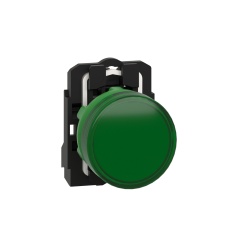
Signaling devices help communicate machine status, process conditions, warnings, and faults through visual or audible indicators. Stack lights, pilot lights, indicator lights, and beacons provide immediate visual feedback, while buzzers and sirens deliver audible alerts for safety or maintenance conditions. Together, push buttons, switches, and signaling devices help improve operator awareness, support safer machine control, and maintain clear communication between equipment and personnel in demanding industrial environments.
 ABB Push Buttons, Switches & Signaling Devices
 Adalet Push Buttons, Switches & Signaling Devices
 Appleton Push Buttons, Switches & Signaling Devices
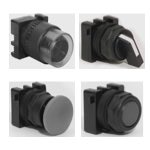 Benshaw Push Buttons, Switches & Signaling Devices
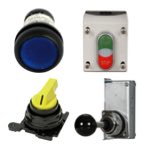 Eaton Push Buttons, Switches & Signaling Devices
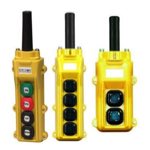 Ericson Push Buttons, Switches & Signaling Devices
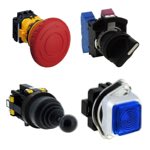 IDEC Push Buttons, Switches & Signaling Devices
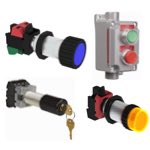 Killark Push Buttons, Switches & Signaling Devices
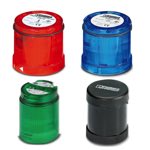 Phoenix Contact Push Buttons, Switches & Signaling Devices
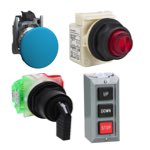 Schneider Electric Push Buttons, Switches & Signaling Devices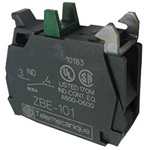


FAQs
Q: Are control stations suitable for signaling applications and industrial applications?
Yes, control stations are well-suited for both signaling and industrial applications because they provide reliable control, monitoring, and indication functions in demanding environments.
Q: Can potentiometers be installed in an automation panel?
Yes, potentiometers can be installed in an automation panel to provide adjustable control of variables such as voltage, speed, or signal levels in industrial processes.
Q: Do modular devices, such as a pushbutton with an LED indicator, allow for hands-free operation of machinery?
No, modular devices such as a pushbutton with an LED indicator still require manual activation by an operator and are not considered hands-free controls.
Q: Do push buttons utilize contact blocks?
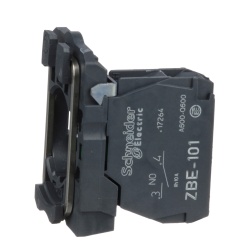
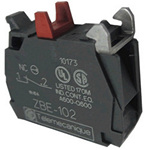
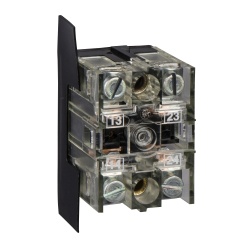
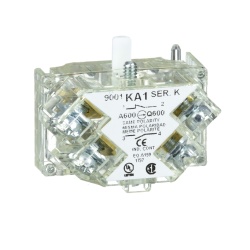
Yes, push buttons use contact blocks that open or close electrical circuits when the operator presses the button.
Q: What UL types are available in push buttons?
Push buttons are available in various UL types, including Type 1, 3R, 4, 4X, and 12, depending on the level of environmental protection required.
Why Buy Push Buttons, Switches & Signaling Devices from RSP Supply
RSP Supply offers push buttons, switches, and signaling devices for customers who need dependable operator interface and indication components for industrial control systems. With products suited for machine start and stop functions, emergency shutdown, mode selection, and status communication, customers can source practical solutions for a wide range of automation and panel applications.