

EV Charging
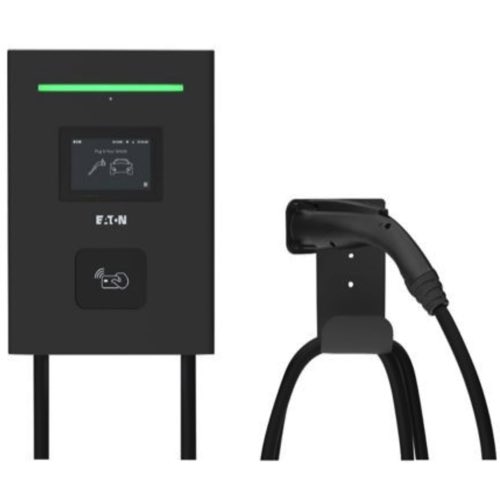
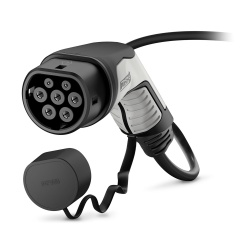
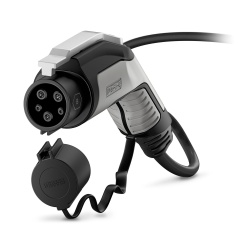
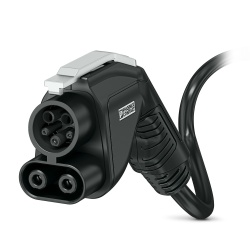
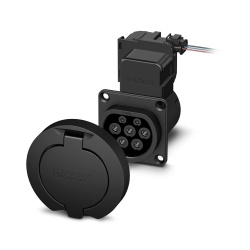
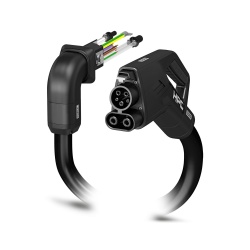
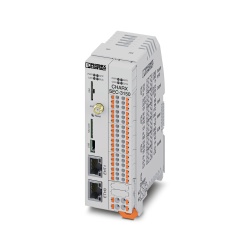
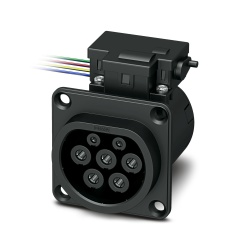
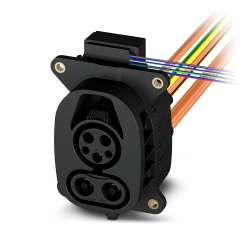
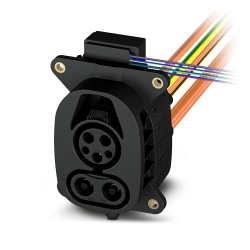
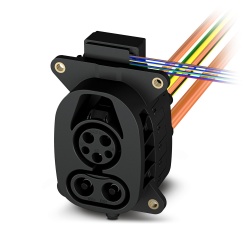
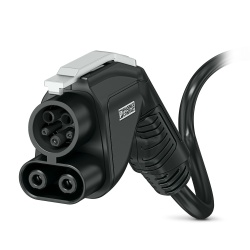
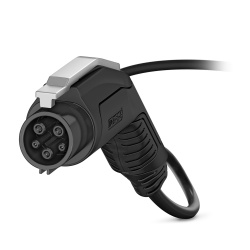
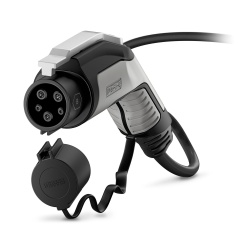
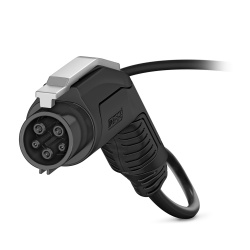
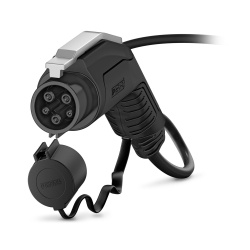
EV charging solutions are a key component of the growing electric vehicle infrastructure, supporting reliable and efficient charging for homes, businesses, and public locations. RSP Supply offers a range of EV charging equipment designed to meet varying power requirements, vehicle compatibility needs, and installation environments. Available options include Level 1, Level 2, and DC fast chargers that support both personal and fleet charging applications.
Modern EV charging stations increasingly incorporate smart charging capabilities that improve efficiency and grid compatibility. Smart chargers allow users to schedule charging during off-peak hours, monitor energy usage, and optimize charging based on electrical demand. Some systems can communicate directly with vehicles and utility grids, helping balance power loads and reduce strain on electrical infrastructure while maintaining reliable charging performance.
As public and private investment in EV infrastructure continues to expand, dependable charging equipment plays a critical role in supporting adoption and reducing range concerns. EV chargers are used in residential garages, commercial parking facilities, workplaces, and public charging networks. When properly selected and installed, these systems help deliver consistent charging performance while supporting long-term sustainability and energy management goals.












FAQs
Q: What are the different levels of EV charging?
Level 1 chargers use standard household outlets and provide slower charging. Level 2 chargers operate on higher voltage and offer faster charging for homes and businesses. DC fast chargers deliver high-power charging for rapid vehicle turnaround, typically in commercial or public locations.
Q: What is smart EV charging?
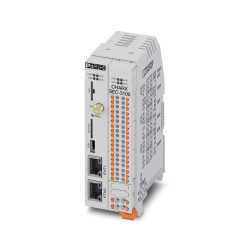
Smart EV charging allows chargers to communicate with vehicles and the electrical grid, enabling features such as scheduled charging, energy monitoring, and load management to improve efficiency and grid stability.
Q: Are EV chargers compatible with all electric vehicles?
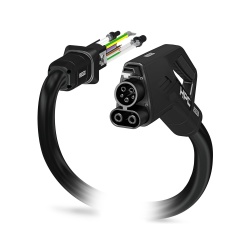
Most EV chargers follow standardized connectors and protocols, but compatibility can depend on vehicle type, charging level, and regional standards. Selecting the appropriate charger ensures proper operation.
Q: Where are EV charging stations commonly installed?
EV chargers are commonly installed in residential homes, workplaces, parking garages, fleet facilities, and public charging locations such as retail centers and transportation hubs.
Q: Why is EV charging infrastructure important?
Reliable EV charging infrastructure supports electric vehicle adoption by improving accessibility, reducing range concerns, and enabling consistent vehicle operation for both personal and commercial use.
Why Buy EV Charging Solutions from RSP Supply
RSP Supply offers a broad selection of EV charging solutions designed to support residential, commercial, and public charging applications. Our product lineup includes multiple charging levels and smart-enabled options to meet evolving power and energy management requirements. Customers rely on RSP Supply for dependable electrical solutions, technical expertise, and products that support the growing electric vehicle market.