
Appleton Industrial Plugs & Receptacles
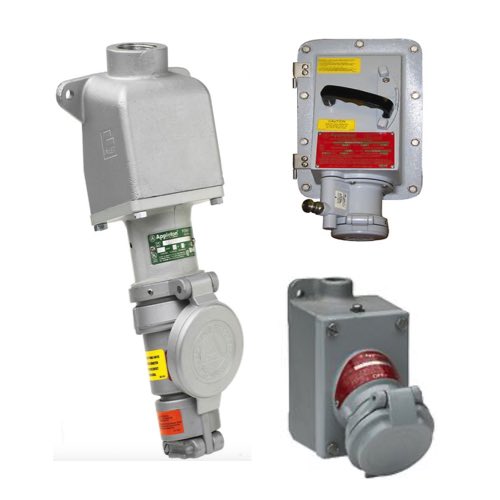
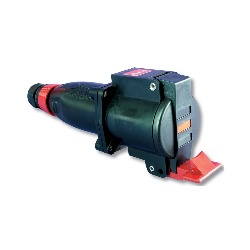
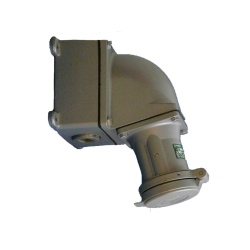
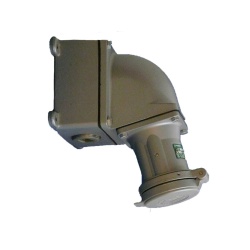
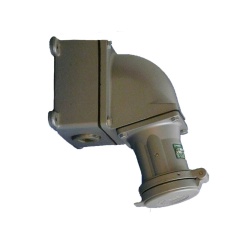
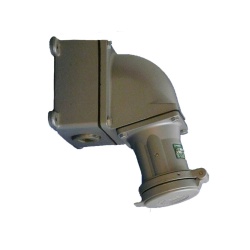
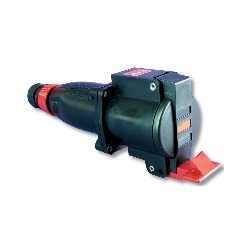
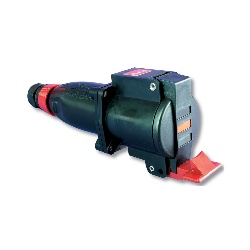
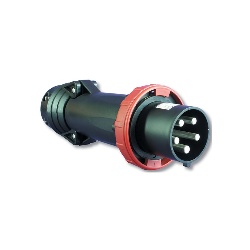
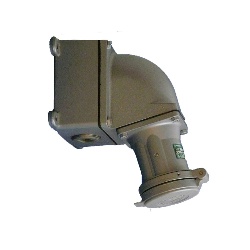
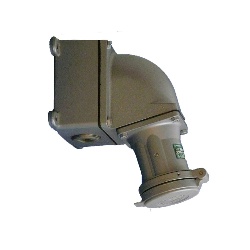
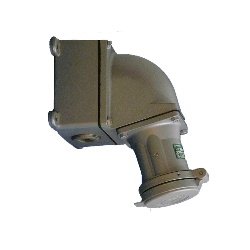
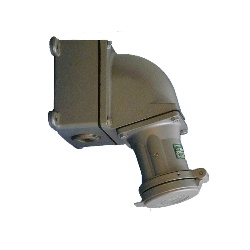
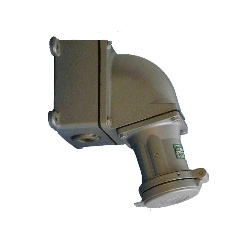
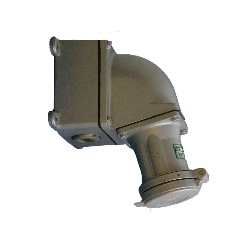
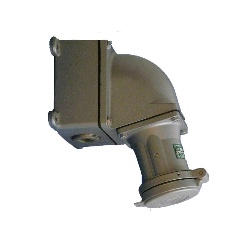
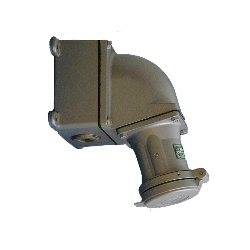
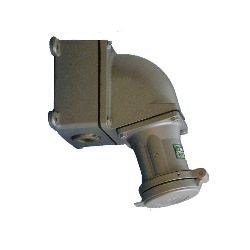
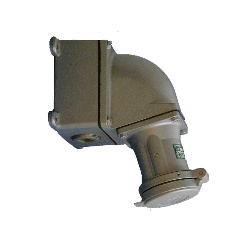
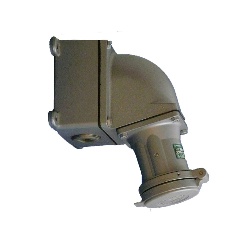
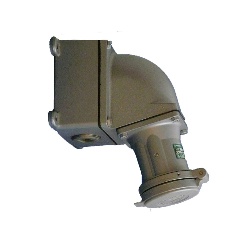
RSP Supply carries a full line of Appleton industrial plugs and receptacles engineered for safe, durable, and code-compliant power connections in heavy-duty and hazardous locations. Designed for industries where reliability and safety are paramount, Appleton products ensure consistent electrical performance in the harshest conditions.
Constructed with rugged housings, corrosion-resistant materials, and precision-machined contacts, Appleton plugs and receptacles maintain dependable connections in environments exposed to moisture, chemicals, vibration, or temperature extremes. These devices are widely used in manufacturing plants, oil and gas facilities, refineries, and chemical processing sites, where uninterrupted power and operator safety are critical. Many Appleton models are explosion-proof or watertight, meeting NEC, UL, and CSA standards for hazardous location use. Mechanical interlocks prevent accidental disconnection under load, minimizing arc flash risks and equipment damage. Their secure locking mechanisms, color-coded voltage options, and broad amperage ratings make them ideal for powering heavy-duty motors, welders, and portable machinery across industrial applications.






FAQs
Q: What are Appleton plugs and receptacles used for?
Appleton plugs and receptacles provide safe, quick-connect power solutions for industrial machinery, portable equipment, and tools used in heavy-duty or hazardous environments.
Q: Are Appleton plugs suitable for hazardous locations?
Yes. Many Appleton models are explosion-proof, dust-ignition-proof, or watertight, meeting NEC, UL, and CSA certifications for use in Class I, II, and III hazardous areas.
Q: What materials are Appleton plugs and receptacles made from?
They are typically constructed from corrosion-resistant aluminum, stainless steel, or reinforced thermoplastic to withstand chemicals, moisture, and mechanical impact.
Q: Do Appleton plugs feature mechanical interlocks?
Yes. Select Appleton models include mechanical interlocks that prevent disconnection under load, protecting workers from electrical hazards and ensuring equipment safety.
Q: Can Appleton receptacles be used for outdoor installations?
Yes. Many models are NEMA-rated and watertight, designed for outdoor or washdown environments such as food processing plants, refineries, and marine facilities.
Why Buy Appleton Industrial Plugs from RSP Supply
RSP Supply provides Appleton industrial plugs, receptacles, and accessories trusted for their safety, reliability, and compliance in demanding industrial and hazardous settings. With expert support, competitive pricing, and fast shipping, RSP Supply ensures your operations stay powered and protected.