

Omega Instrumentation
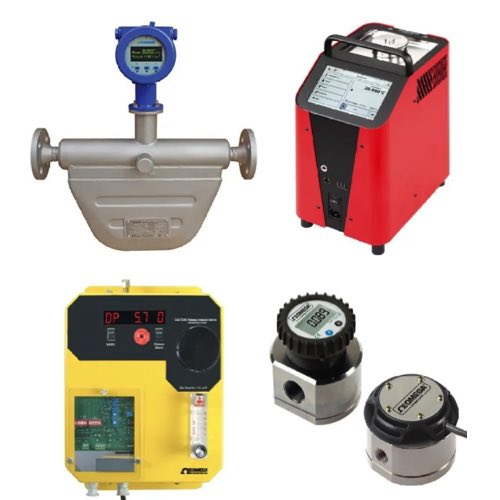
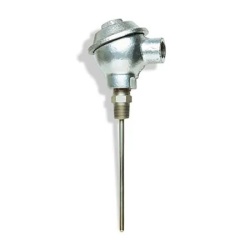
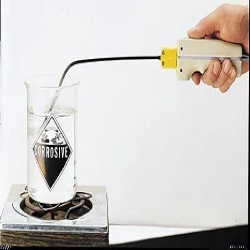
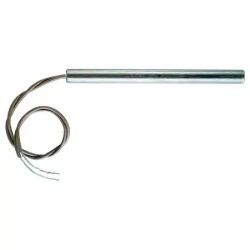
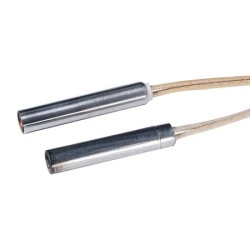
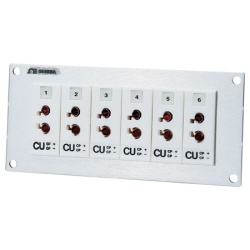
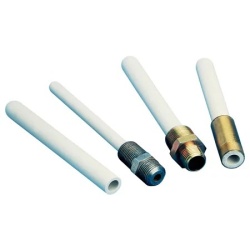
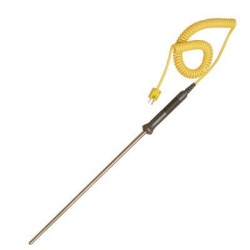
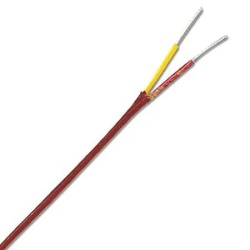
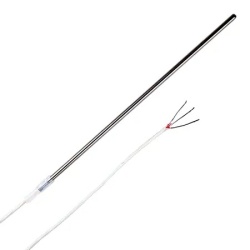
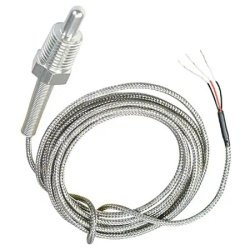
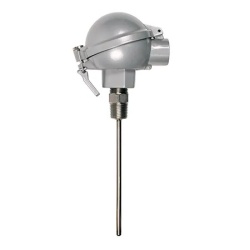
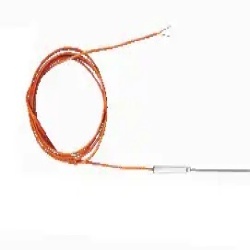
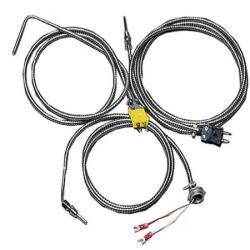
All over the industrial world, Omega instruments stand for precision, durability, and an almost unimaginable range of measurement technologies. It has built its reputation on one of the largest selections of sensors for temperature measurement; including thermocouples, RTDs, and thermistors designed to work in conditions from the lab to the manufacturing line. While Omega has become known for temperature measurement, it has long since evolved far beyond it, becoming in the process a common go-to resource for instrumentation in countless industrial settings that need accurate and dependable data to keep processes running smoothly and, above all, safely.
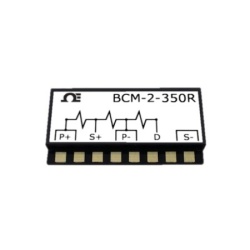
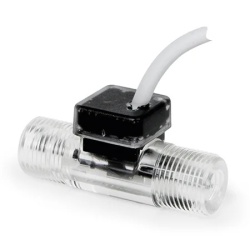
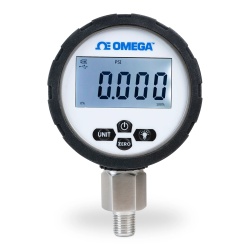
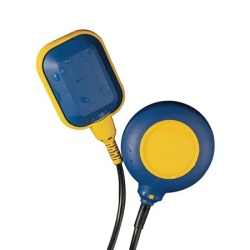
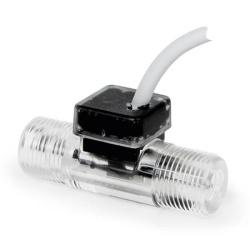
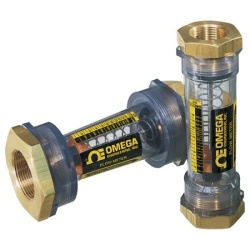
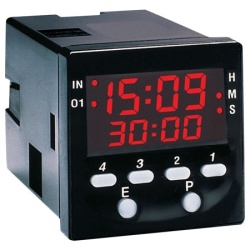
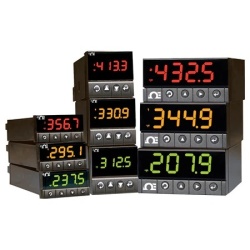
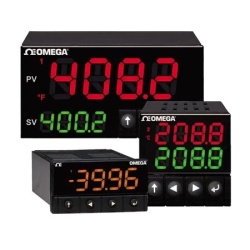
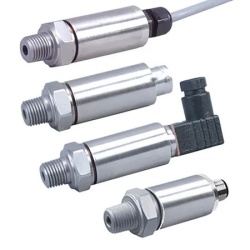
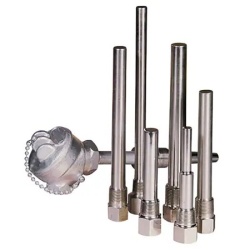
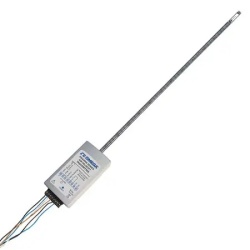
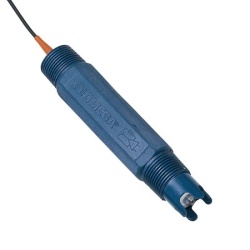
What stands out in the Omega catalog is the incredible breadth of what they offer. They make and sell pressure, flow, level, humidity, load, pH, and conductivity sensors with the same level of mastery they bring to temperature measurement. They offer advanced controllers, signal conditioners, data loggers, and calibration tools that let you string together an entire measurement system from one brand, with full assurance of compatibility and consistent quality.



FAQs
Q: What does Omega specialize in?
Omega is best known for temperature measurement products such as thermocouples and RTDs, but also offers instruments for pressure, flow, level, humidity, pH, and other process variables.
Q: Are Omega products compatible with automation systems?
Yes, most Omega instruments integrate easily with PLCs, SCADA systems, and data acquisition platforms using standard analog and digital output signals.
Q: Does Omega offer digital or smart instrumentation?
Many Omega products include digital controllers, wireless sensors, Ethernet connectivity, IoT-enabled devices, and advanced data acquisition capabilities.
Q: What are some of Omega’s most popular product categories?
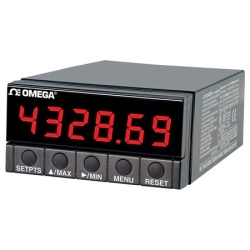
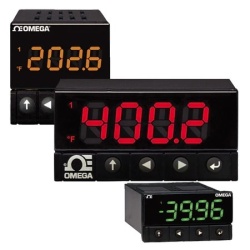
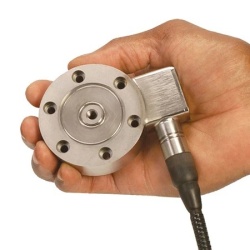
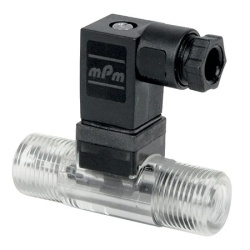
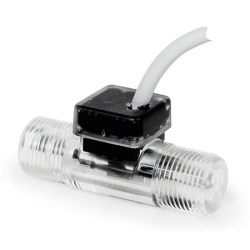
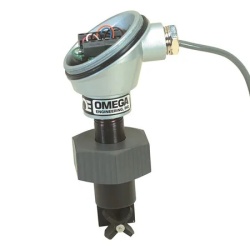
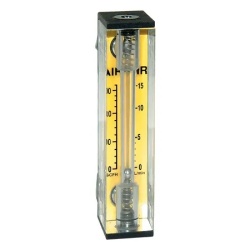
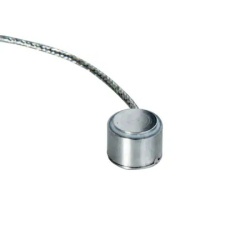
Common Omega product categories include temperature sensors, pressure sensors, flow meters, load cells, controllers, handheld meters, and data loggers.
Q: Does Omega manufacture portable or handheld instruments?
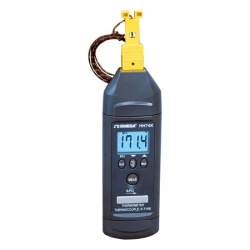
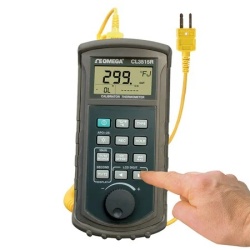
Yes, Omega produces a range of handheld tools including thermometers, manometers, infrared sensors, data loggers, and multifunction measurement devices.
Why Buy Omega Instrumentation from RSP Supply
RSP Supply offers a comprehensive selection of Omega instrumentation to support accurate measurement and control across industrial applications. Customers rely on RSP Supply for access to trusted brands, detailed technical product information, and knowledgeable support to help ensure proper product selection, system compatibility, and long-term measurement reliability.