

Tower Bases
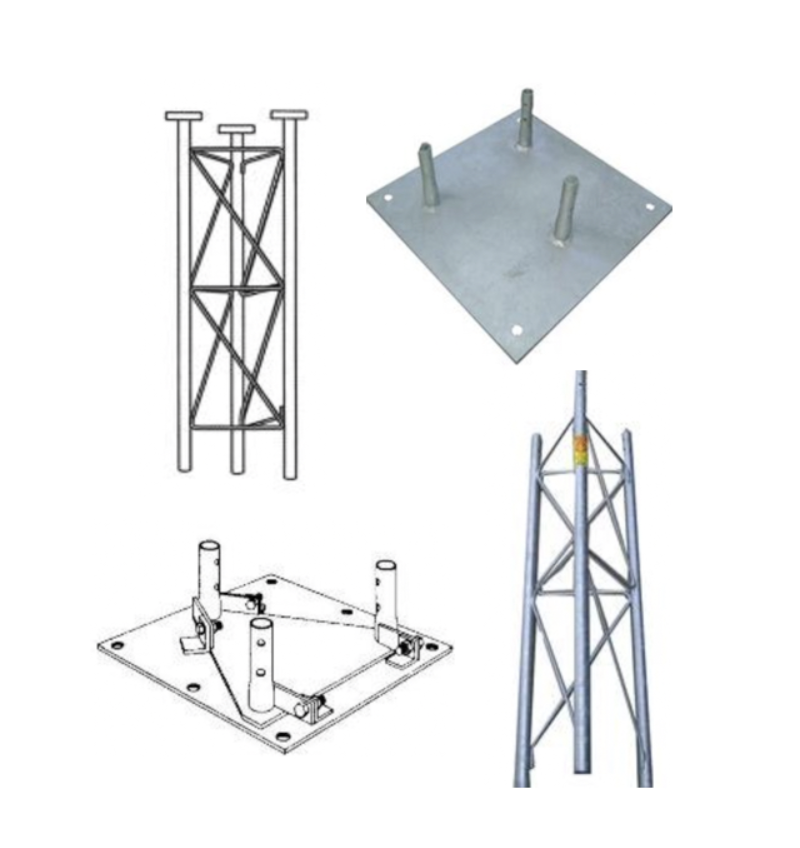
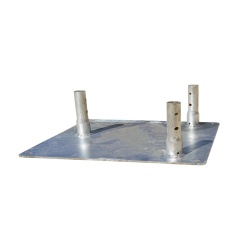
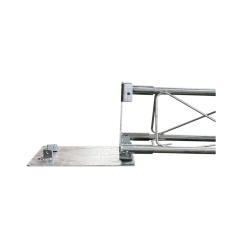
Tower bases and related accessories provide the foundation support required for communication tower installations. These components help transfer tower loads into the foundation while supporting antennas and equipment used in telecommunications, wireless networks, broadcasting, cellular systems, and industrial communication applications.
RSP Supply offers tower base accessories in 45, 55, and 65 configurations to support compatible tower designs and site requirements. Self-supporting towers rely on the base and foundation for stability, while guyed towers use both the base and properly placed guy anchors to resist lateral forces from wind, ice, and equipment loading.
Proper base selection should account for tower type, height, soil conditions, wind load, ice load, antenna loading, and grounding requirements. Metallic tower bases should be bonded into the grounding electrode system using approved conductors and connection methods to help protect structures and connected equipment from electrical faults and lightning events.










FAQs
Q: What do 45, 55, and 65 tower bases refer to?
These designations typically refer to tower series or size classifications used to match tower bases with compatible tower structures and load requirements.
Q: Do self-supporting and guyed towers use different base requirements?
Yes. Self-supporting towers depend on the base and foundation for structural stability, while guyed towers also require properly designed guy anchors to resist lateral loads.
Q: What factors affect tower base load calculations?
Key factors include tower height, wind load, ice load, antenna loading, equipment weight, soil conditions, and the type of tower being installed.
Q: Why is grounding required for tower bases?
Grounding helps protect the tower, base, antennas, and connected equipment from lightning, static discharge, and electrical fault conditions.
Q: What is a ground ring?
A ground ring is a loop of bare grounding conductor installed around a tower base and bonded to ground rods or plates to provide a low-impedance grounding path.
Why Buy Tower Bases 45, 55 & 65 Accessories from RSP Supply
RSP Supply offers tower base accessories in 45, 55, and 65 configurations for communication tower foundations, grounding, and structural support. Customers rely on RSP Supply for dependable product selection, knowledgeable support, and components suited for reliable tower performance in demanding installation environments.