
I/O Modules
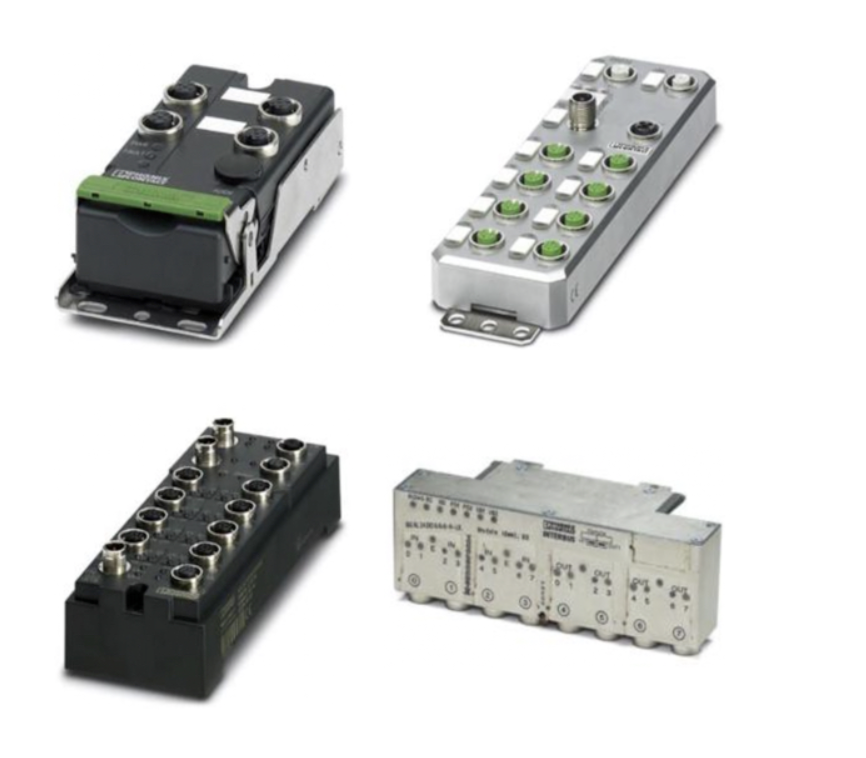
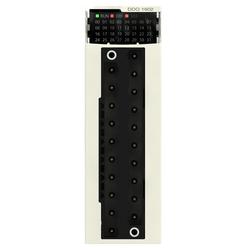
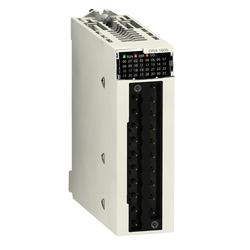
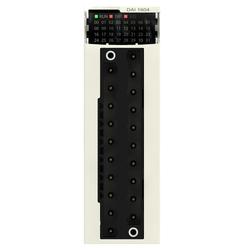
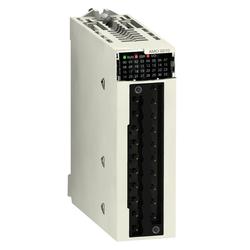
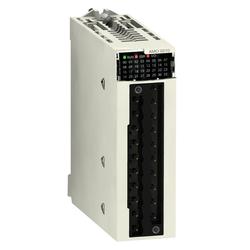
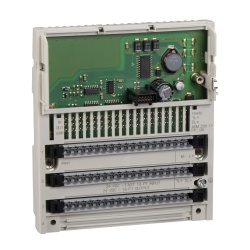
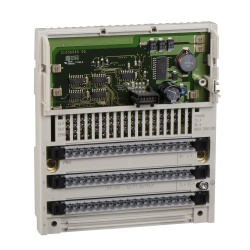
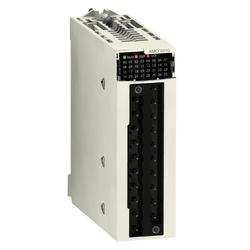
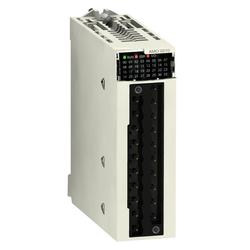
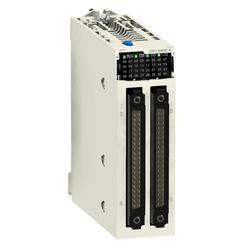
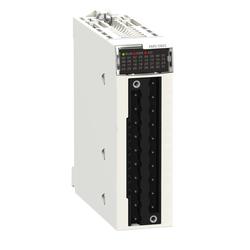
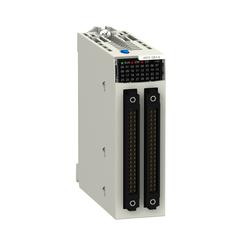
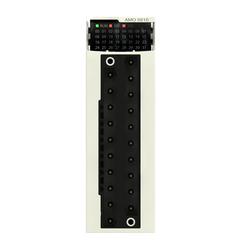
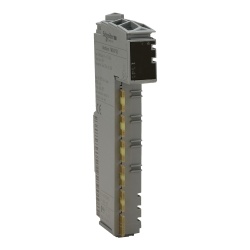
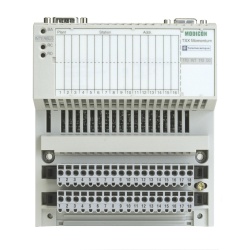
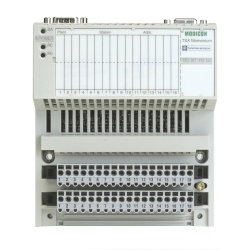
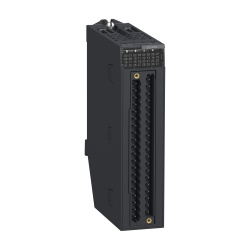
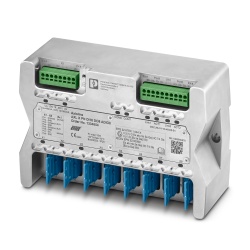
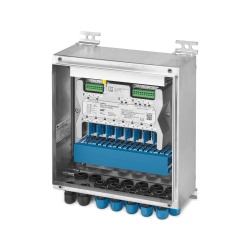
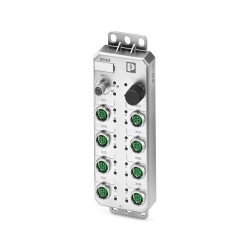
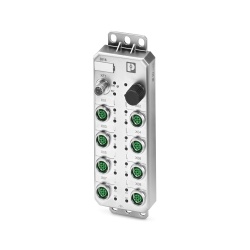
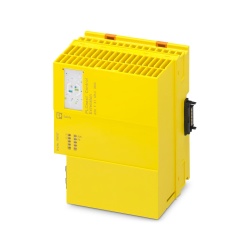
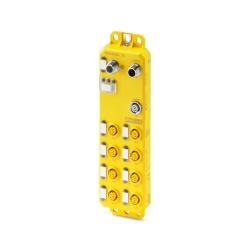
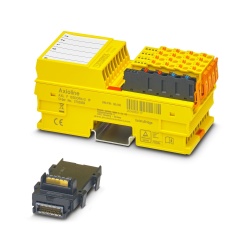
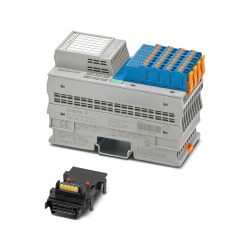
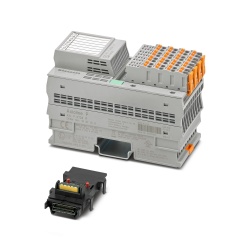
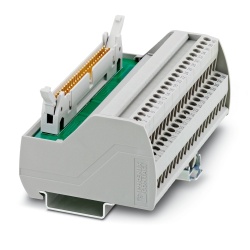
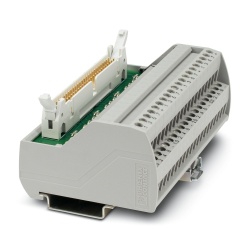
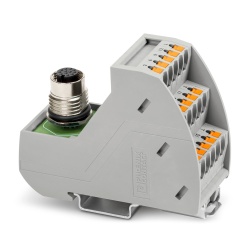
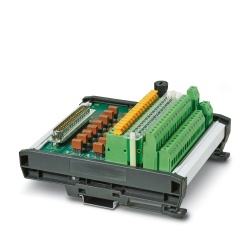
I/O modules are the bridge between the programmable logic controller (PLC) and the field devices connected to the PLC. They accept field signals from sensors, switches and transmitters and forward the signals to actuators, motors, valves and indicators. Field signals are converted to the correct format for the PLC to read and interpret. I/O modules are used in both digital and analog applications. Digital I/O modules control signals that are either on or off (0 or 1) such as push buttons, limit switches and solenoids. Analog I/O modules manage continuous signals such as temperature, pressure, flow, voltage and current.
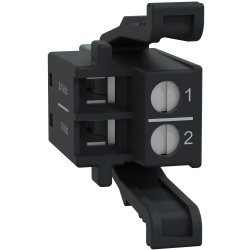
I/O modules are used in various automation and process control applications because they can handle a variety of signals. When specifying I/O modules, the operating environment should be taken into consideration. Industrial modules are built to resist electrical noise, vibration, temperature fluctuations and continuous operation. Signal isolation, diagnostic lights and secure terminal connections are features to look for to ensure accurate signal transmission and product reliability. In addition to signal conditioning, I/O modules offer scalability and ease of maintenance. Modular designs allow for adding more inputs and outputs as needed. Standard mounting options such as DIN rail offers easy installation. Field point-to-point wiring helps with troubleshooting and future expansion. Modular I/O modules keep control panel design clean and well-organized.








FAQs
Q: What is a distributed io system?
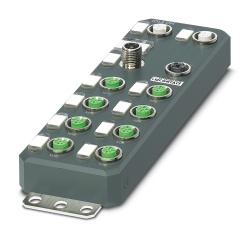
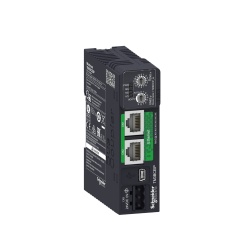
A distributed I/O system is a modular automation solution that uses distributed I/O modules to collect digital and analog input signals from field devices and send output signals from a controller to actuators over an industrial network.
Q: What types of signals do distributed io modules support?
Distributed I/O modules support digital signals, such as on/off states, and analog signals, including 4–20 mA or 0–10 V measurements used for process variables.
Q: What is industrial Ethernet distributed io?
Industrial Ethernet distributed io refers to distributed I/O systems that communicate with controllers over Ethernet-based industrial protocols, enabling high-speed data exchange, improved diagnostics, and simplified network architecture.
Q: How is distributed io different from remote io?
Distributed I/O often includes local processing capability and can support multiple controllers, while remote I/O typically lacks onboard intelligence and depends on a single central controller.
Q: What are the advantages of high-density distributed io modules?
High-density distributed I/O modules allow more input and output channels in a compact form factor, reducing control panel space, wiring requirements, and overall system complexity.
Why Buy Distributed I/O Systems from RSP Supply
RSP Supply offers a comprehensive selection of distributed I/O systems designed for reliable performance in industrial automation environments. Our solutions support modular expansion, multiple signal types, and modern communication standards. Customers rely on RSP Supply for technical expertise, dependable product selection, and distributed I/O solutions that enable efficient, scalable, and robust control system designs.