
Cartoning
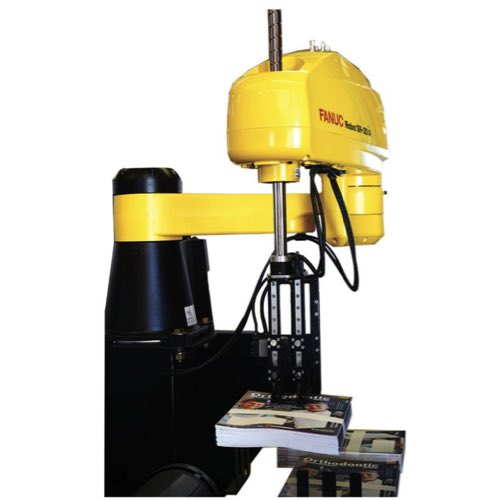
Cartoning is the automated process of forming cartons, loading products, and closing cartons for distribution, storage, or retail presentation. Cartoning equipment is commonly used toward the end of a packaging line after products are wrapped, labeled, or otherwise prepared for shipment. By standardizing carton forming and sealing, cartoning systems help improve packaging consistency, reduce manual handling, and support higher throughput in industrial and manufacturing environments.
Industrial cartoners, including solutions from IME Automation, can be configured for horizontal or vertical loading depending on product orientation, carton style, and application requirements. Horizontal cartoners typically load products from the side, while vertical cartoners load from the top. Many systems form and close cartons on a single machine and are designed for continuous operation with repeatable sealing performance. Quick carton changeovers and adjustable configurations help support facilities running multiple SKUs or packaging formats.
Cartoning also supports downstream logistics by improving product protection and creating structured packages that stack and ship more efficiently. Cartoners are often integrated with case packers, labeling systems, and palletizers as part of primary or secondary packaging processes. When properly matched to product size, throughput targets, and overall line layout, IME Automation cartoning systems can help reduce packaging errors, improve load stability, and support consistent distribution performance.
FAQs
Q: What is cartoning in manufacturing and packaging?
Cartoning is an automated packaging process that forms cartons, loads products into them, and seals the cartons for distribution, storage, or retail sale.
Q: What industries commonly use cartoning machines?
Cartoning machines are commonly used in food and beverage, pharmaceutical, consumer goods, personal care, medical device, and industrial manufacturing applications.
Q: What is the difference between horizontal and vertical cartoning?
Horizontal cartoning loads products into cartons from the side, while vertical cartoning loads products from the top. The best choice depends on product shape, orientation, and packaging requirements.
Q: Why is cartoning important in automated packaging lines?
Cartoning improves packaging speed, consistency, and efficiency while reducing labor demands and minimizing packaging errors in high-volume production environments.
Q: How does cartoning improve product protection and logistics?
Cartoning provides structured packaging that helps protect products from damage, improves stacking and palletizing, and simplifies storage and transportation.
Why Buy Cartoning | Automated Packaging & Carton Handling from RSP Supply
RSP Supply supports automated packaging operations with cartoning solutions used for consistent carton forming, loading, and closing in manufacturing environments. Our product offering is aligned with end-of-line and secondary packaging workflows where throughput, repeatability, and reliable carton sealing are essential. Customers rely on RSP Supply for practical selection support to help match cartoning equipment to product dimensions, carton styles, line speeds, and integration needs with upstream and downstream packaging systems. This supports consistent packaging performance, improved product protection, and scalable line design.