
Data Acquisition
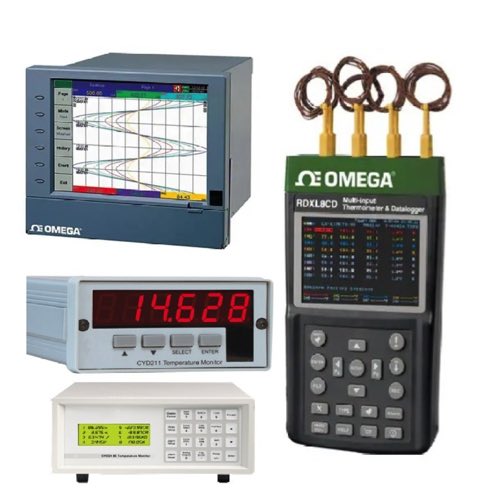
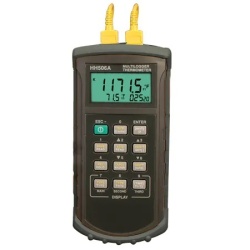
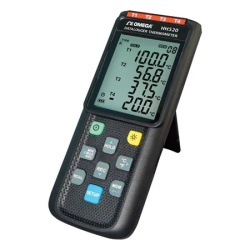
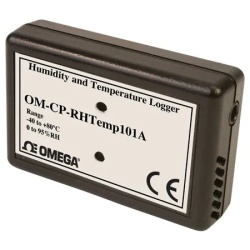
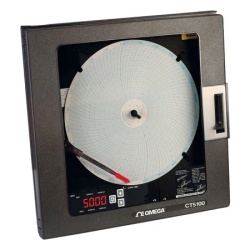
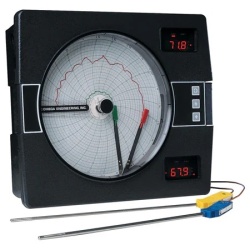
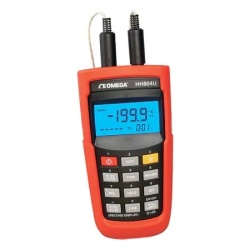
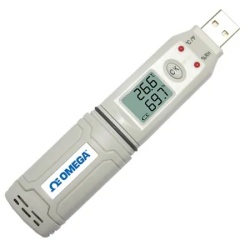
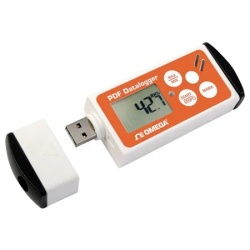
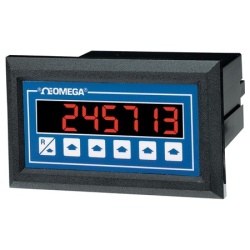
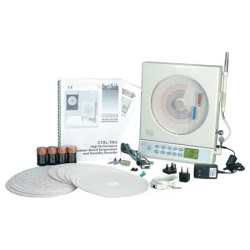
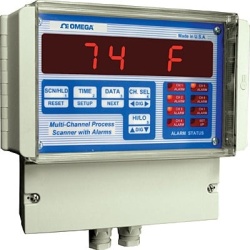
Data acquisition systems are designed to capture, record, and analyze measurement data from sensors and instrumentation used in industrial, research, and testing environments. These systems range from portable data loggers to advanced, multi-channel platforms capable of collecting high-speed data from multiple sources simultaneously. By providing accurate, real-time insight into operating conditions, data acquisition solutions support process control, quality assurance, and system diagnostics.
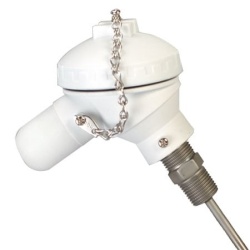
Modern data acquisition systems support a wide range of input types, including thermocouples, RTDs, strain gauges, voltage signals, and current loops. Many systems feature modular designs that allow users to scale channel count and functionality as measurement requirements change. This flexibility makes them well-suited for applications ranging from simple monitoring tasks to complex data collection across multiple processes or test setups.
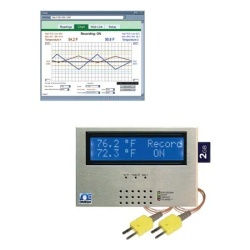
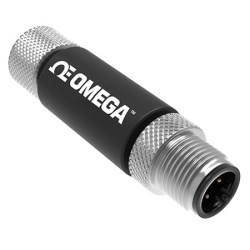
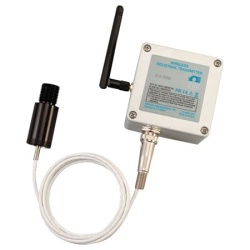
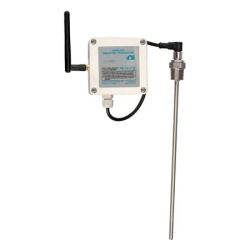
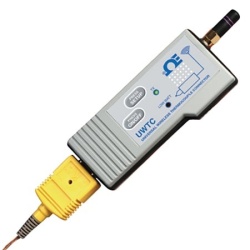
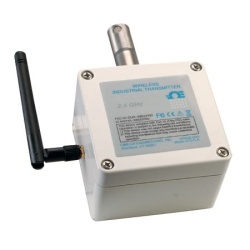
Data acquisition devices often include software tools that simplify configuration, visualization, and analysis of collected data. Connectivity options such as Ethernet, USB, and wireless communication enable seamless integration into control networks and remote monitoring systems. These capabilities allow engineers and technicians to efficiently capture critical data, generate reports, and respond quickly to process changes or anomalies.




FAQs
Q: What is a data acquisition system used for?
A data acquisition system is used to collect and analyze measurement data from sensors and instruments, enabling monitoring, control, and analysis of physical parameters in industrial and testing applications.
Q: What types of signals can data acquisition systems measure?
Data acquisition systems can measure both analog and digital signals, including temperature, pressure, flow, voltage, current, thermocouples, RTDs, and strain gauges.
Q: What is the difference between analog and digital signals?
Analog signals represent a continuous range of values, such as a 4–20 mA or 0–10 V signal. Digital signals represent discrete states, such as on/off or open/closed conditions.
Q: Are data acquisition systems scalable?
Yes, many data acquisition systems are modular, allowing users to add channels or expand functionality based on evolving measurement needs.
Q: How do data acquisition systems communicate with other devices?
Data acquisition systems use communication interfaces such as Ethernet, USB, or wireless connections to send and receive data, enabling integration with control systems, computers, and remote monitoring platforms.
Why Buy Data Acquisition Systems from RSP Supply
RSP Supply offers a broad selection of data acquisition systems designed for accurate measurement and dependable performance in industrial and technical environments. Our solutions support multiple signal types, scalable configurations, and modern communication interfaces. Customers rely on RSP Supply for technical expertise, consistent product quality, and data acquisition solutions that support informed decision-making and reliable system operation.