
Hearing Protection
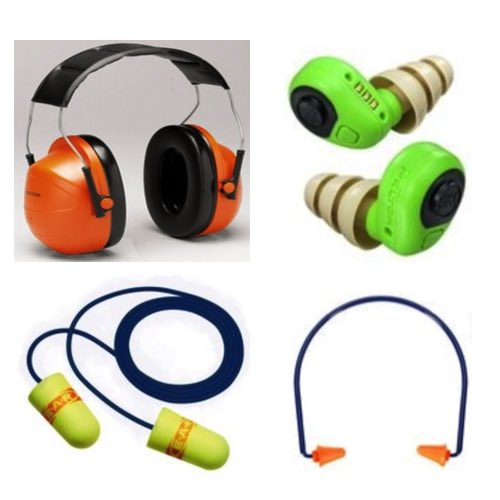
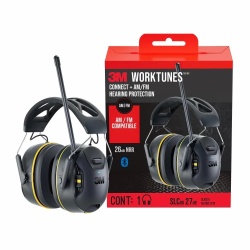
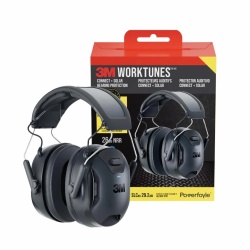
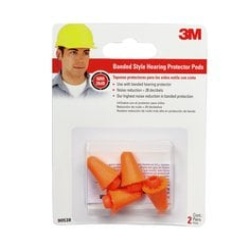
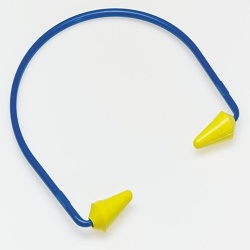
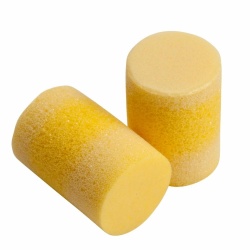
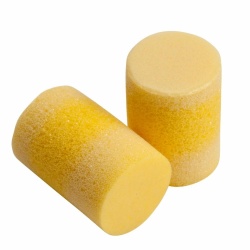
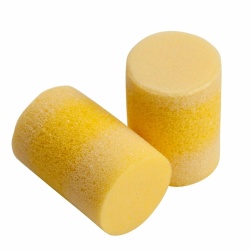
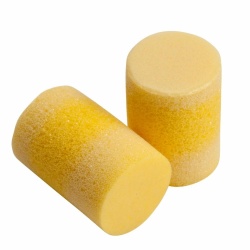
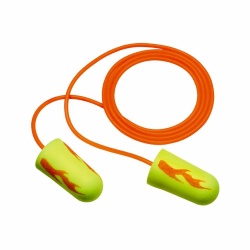
Hearing protection equipment helps reduce workers’ exposure to hazardous workplace noise from machinery, power tools, construction equipment, compressors, manufacturing processes, vehicles, and other industrial sources. Available products include disposable foam earplugs, reusable earplugs, push-to-fit plugs, banded hearing protectors, passive earmuffs, electronic earmuffs, helmet-mounted earmuffs, protective communication headsets, dispensers, and replacement accessories.
Selecting the right hearing protection requires more than choosing the highest Noise Reduction Rating. Buyers should consider measured workplace noise, required attenuation, fit, comfort, communication needs, frequency of use, environmental conditions, and compatibility with hard hats, safety helmets, eyewear, and respirators. OSHA uses the Noise Reduction Rating shown on hearing-protector packaging when evaluating attenuation, while NIOSH emphasizes proper fit and avoiding unnecessary overprotection that may reduce situational awareness.
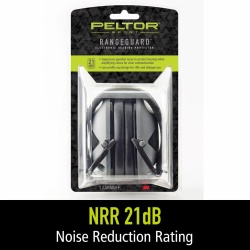
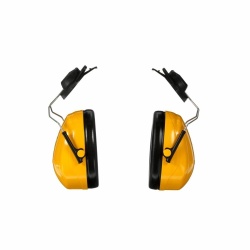
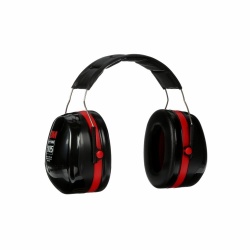
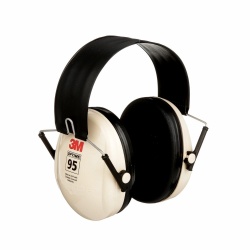
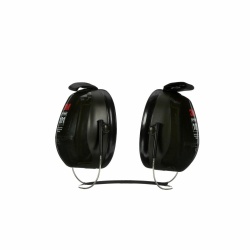
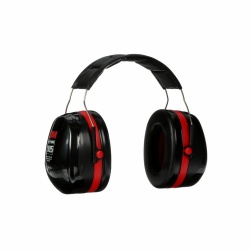
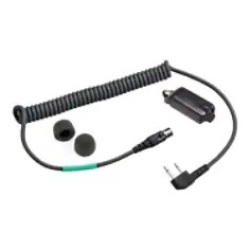
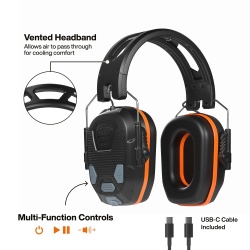
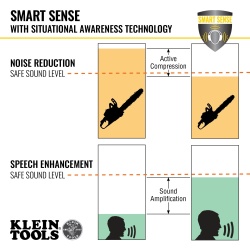
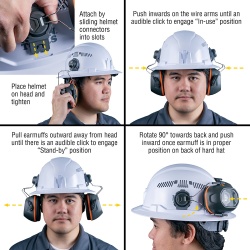
Earplugs are compact and available in disposable, reusable, push-to-fit, banded, and electronic designs. Earmuffs are easier to remove and replace during intermittent noise exposure and are available in over-the-head, behind-the-neck, and helmet-mounted configurations. Electronic hearing protectors and communication headsets can support speech, warning-signal awareness, and team communication while providing hearing protection in noisy environments.
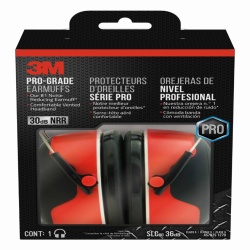
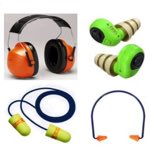 3M Hearing Protection
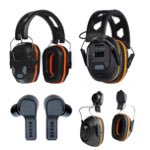 Klein Tools Hearing Protection
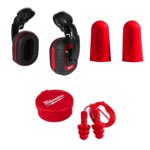 Milwaukee Tools Hearing Protection
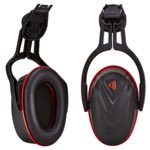 MSA Hearing Protection
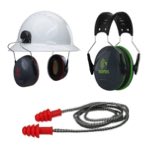 PIP Hearing Protection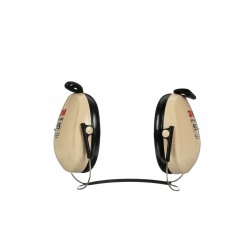
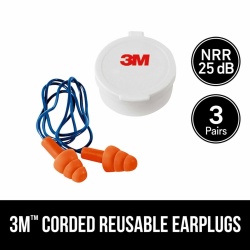
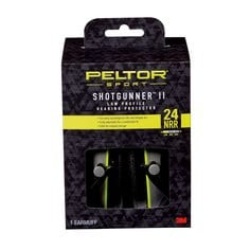
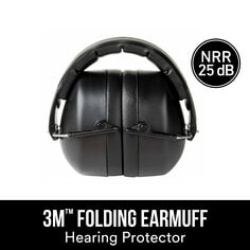
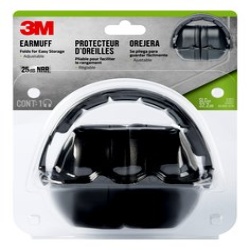
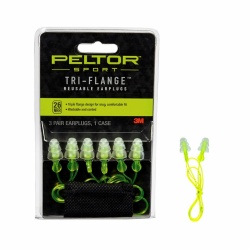
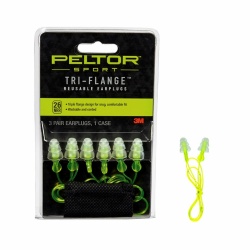
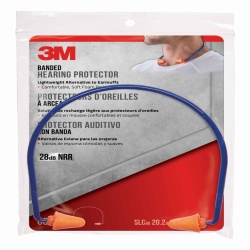
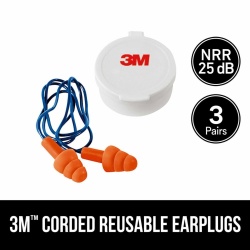
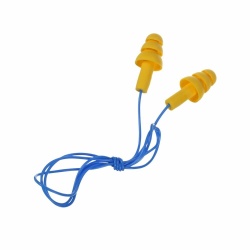
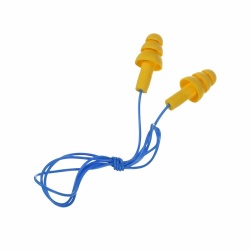
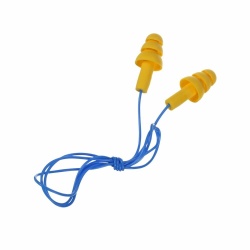
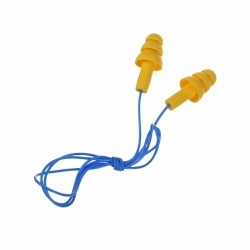
FAQs
What types of industrial hearing protection are available?
Industrial hearing protection includes disposable foam earplugs, reusable earplugs, push-to-fit plugs, banded hearing protectors, passive earmuffs, electronic earmuffs, helmet-mounted earmuffs, communication headsets, earplug dispensers, hygiene kits, and replacement accessories.
How do I choose the right earplugs or earmuffs?
Start with the measured workplace noise level and determine the attenuation required. Then consider comfort, fit, length of exposure, communication needs, compatibility with other PPE, and whether noise is continuous or intermittent. Earmuffs are often convenient for intermittent exposure, while earplugs may work better where helmets, eyewear, or confined spaces affect earmuff use.
What does NRR mean on hearing protection?
NRR stands for Noise Reduction Rating. It is the laboratory-derived rating displayed on hearing-protection packaging and used to help estimate how much sound reduction a properly worn product may provide. Actual protection can vary significantly with fit, insertion, condition, and use, so the highest published NRR is not automatically the best choice for every worker.
When should earplugs and earmuffs be worn together?
Dual hearing protection may be appropriate for extremely high noise levels or impulse noise. NIOSH recommends earmuffs worn over earplugs for exposures of 100 dBA or greater or for impulse sounds. The required protection should be based on a workplace noise assessment and the employer’s hearing-conservation program.
Why buy hearing protection equipment from RSP Supply?
RSP Supply offers professional earplugs, earmuffs, electronic hearing protection, communication headsets, dispensers, and accessories from leading industrial safety manufacturers. Customers receive competitive pricing, detailed specifications, knowledgeable support, and help comparing NRR ratings, wearing styles, helmet compatibility, electronic features, and package quantities.