

ACI Instrumentation
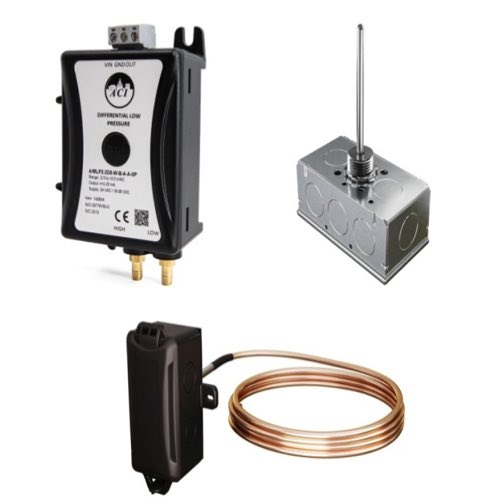
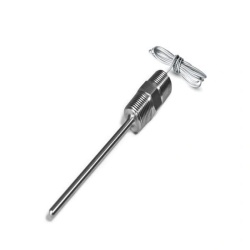
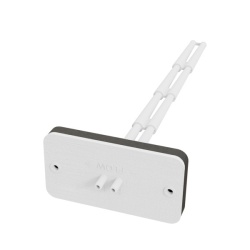
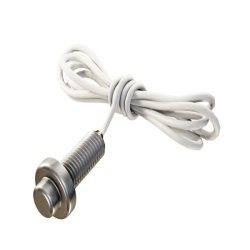
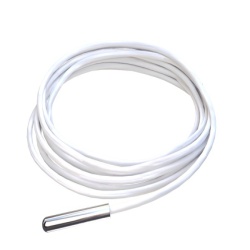
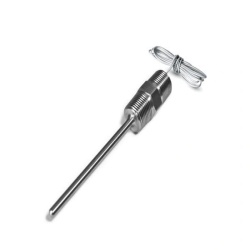
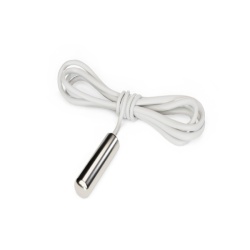
ACI’s instrumentation is built to measure and monitor essential environmental parameters such as temperature, humidity, pressure, and gas concentration; key factors in maintaining efficient and safe system operation. Each product is designed with a focus on three critical performance areas: accuracy, ensuring stable output over time; tight tolerances, providing consistent operation under varying manufacturing and installation conditions; and calibration stability, maintaining measurement precision for the life of the instrument.
Manufactured and tested in the USA, ACI instrumentation utilizes five main sensing technologies: thermistors and RTDs for temperature, resistance-based technologies for humidity, piezoelectric diaphragms for differential pressure, and electrochemical sensors for gas detection. These proven technologies ensure reliable and repeatable performance in diverse applications, from HVAC monitoring and process automation to cleanroom and environmental control. Every ACI sensor is designed to integrate seamlessly into modern automation systems, with support for analog, resistance, and digital signal formats to ensure compatibility with BMS, DDC, and industrial control platforms. The result is a sensor lineup that delivers dependable accuracy, ease of installation, and robust construction for long-term use in demanding conditions.
FAQs
What industries use ACI instrumentation?
ACI sensors are used across HVAC, manufacturing, industrial automation, energy management, environmental monitoring, and building control systems.
What types of sensors does ACI manufacture?
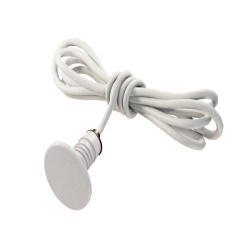
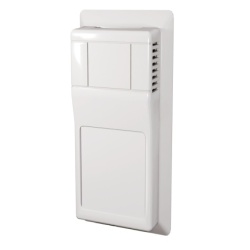
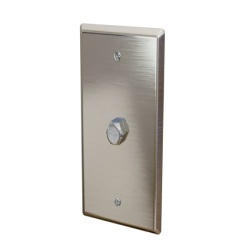
ACI offers temperature, humidity, pressure, CO₂, current, air quality, and specialty sensors designed for both industrial and commercial control applications.
Are ACI sensors compatible with most control systems?
Yes, ACI instrumentation is widely compatible with major BAS, PLC, DDC, and industrial control platforms through universal analog outputs and industry-standard wiring.
How accurate and reliable are ACI sensors?
ACI is known for tight tolerances, long-term stability, NIST-traceable calibration options, and rugged construction suited for harsh industrial environments.
Can ACI sensors be used in non-HVAC industrial applications?
Yes, ACI sensors are engineered for temperature, flow, environmental, and electrical monitoring across industrial settings, including process control, robotics, and energy systems.
Why Buy ACI Industrial Sensors from RSP Supply
RSP Supply offers a complete selection of ACI industrial sensors and instrumentation backed by expert technical support, competitive pricing, and fast shipping. We help professionals find the right sensing solutions to enhance system reliability, accuracy, and long-term control performance in any environment.