

IDEC Instrumentation
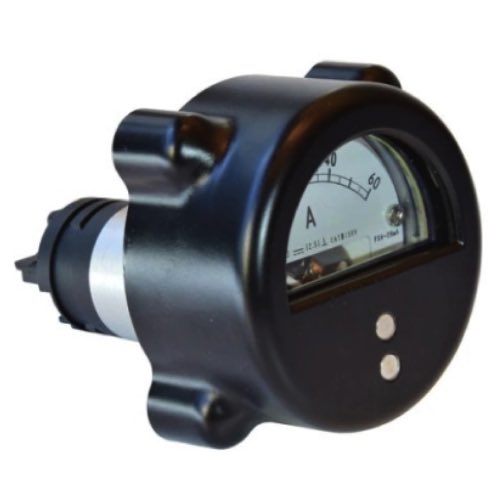
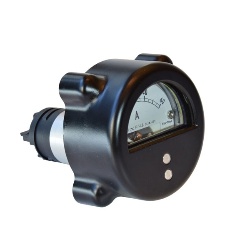
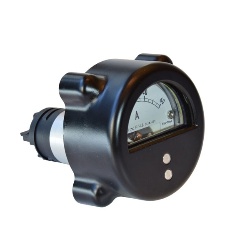
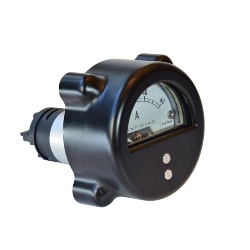
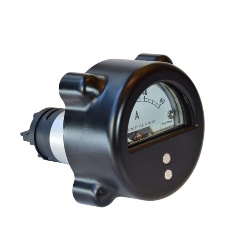
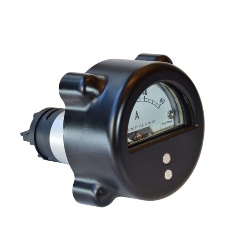
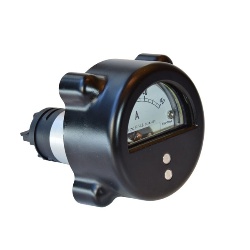
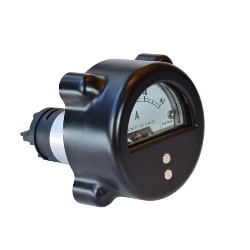
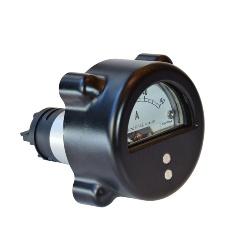
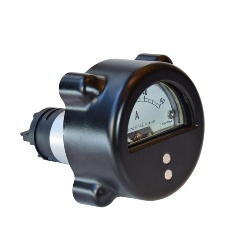
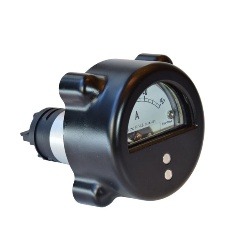
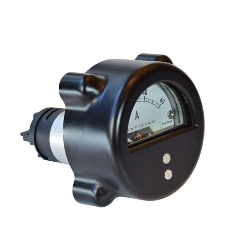
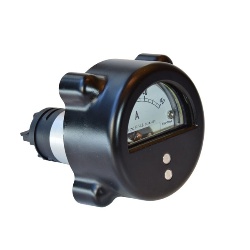
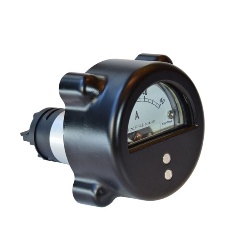
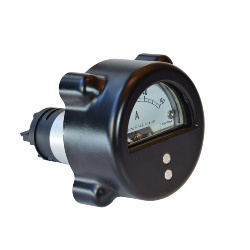
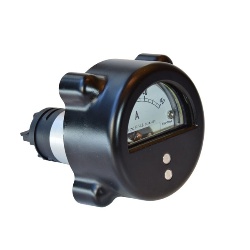
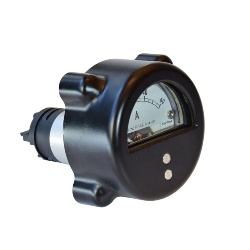
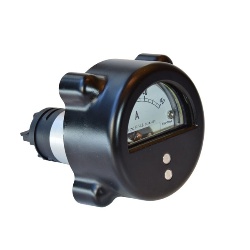
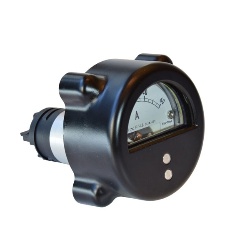
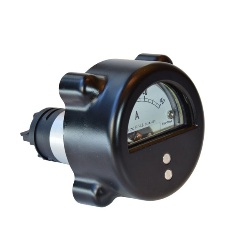
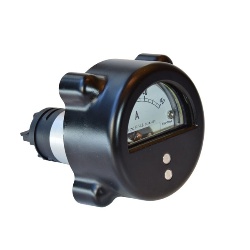
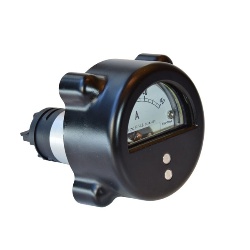
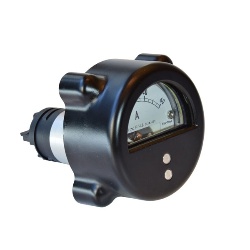
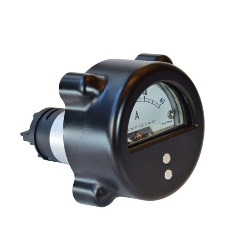
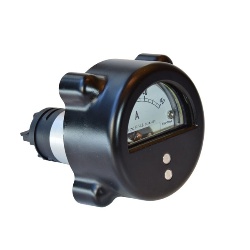
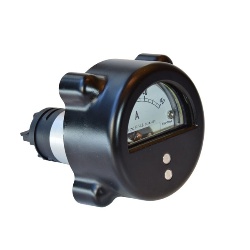
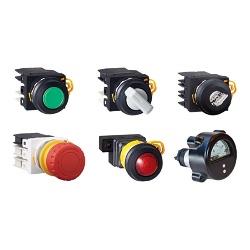
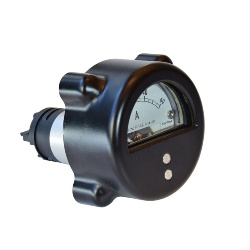
IDEC ammeters and voltmeters provide accurate, dependable measurement of electrical current and voltage in industrial control panels, power distribution systems, and machinery. Designed for long service life, these panel meters feature rugged construction and compact form factors that support installation in space-limited enclosures while maintaining clear, easy-to-read displays.
These meters are available for AC, DC, and mixed electrical monitoring applications, allowing operators and maintenance teams to track system performance and identify abnormal conditions such as overloads or voltage imbalance. IDEC meters are engineered for stable readings even in electrically noisy environments, helping reduce false indications caused by vibration, switching activity, or electromagnetic interference.
Common applications include motor monitoring, OEM equipment, automation panels, and general industrial electrical systems. With straightforward wiring, standardized mounting, and reliable measurement accuracy, IDEC ammeters and voltmeters support safe operation, preventative maintenance, and effective troubleshooting across a wide range of industrial environments.


FAQs
Q: What are IDEC ammeters and voltmeters used for?
IDEC ammeters and voltmeters measure electrical current and voltage in industrial panels, machinery, and power systems to support safe and efficient operation.
Q: Can IDEC meters measure both AC and DC electrical values?
Yes. IDEC offers models designed for AC circuits, DC circuits, and applications requiring specific voltage or current measurement ranges.
Q: Are IDEC ammeters and voltmeters compatible with industrial control systems?
IDEC meters use standard electrical inputs, terminal labeling, and wiring formats that allow integration with PLC panels, control cabinets, and automation equipment.
Q: Where are IDEC panel meters commonly installed?
They are commonly used in manufacturing facilities, OEM machinery, motor control panels, power distribution systems, and general automation environments.
Q: Do IDEC ammeters and voltmeters come in digital and analog versions?
Yes. IDEC offers both digital LED or LCD meters and traditional analog panel meters to support different monitoring and display preferences.
Why Buy IDEC Ammeters & Voltmeters from RSP Supply
RSP Supply offers a reliable selection of IDEC ammeters and voltmeters for industrial electrical monitoring applications. Our product offerings support accurate measurement, straightforward installation, and dependable long-term operation in control panels and automation systems. Customers rely on RSP Supply for trusted industrial components, consistent availability, and knowledgeable technical support.