

APG Instrumentation
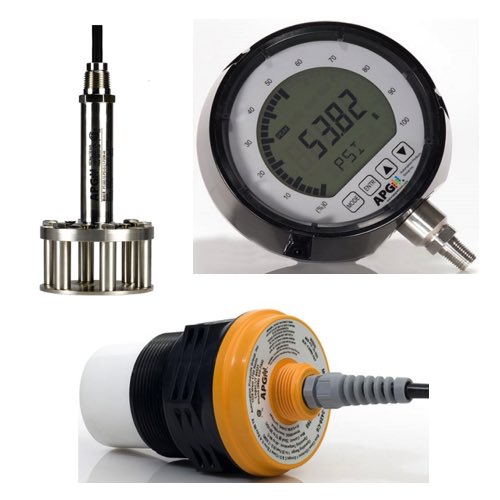
APG (Automation Products Group) instrumentation is designed to deliver reliable measurement of level, pressure, and distance in demanding industrial environments. RSP Supply offers a range of APG sensors used in automation, process control, and monitoring systems where accurate data and long-term durability are essential. These instruments are commonly applied in industries such as water and wastewater, chemical processing, oil and gas, food production, and general manufacturing, where dependable sensing solutions are required for consistent operation.
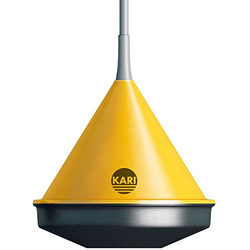
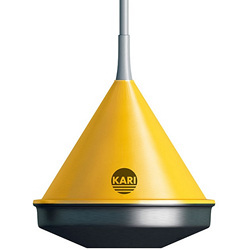
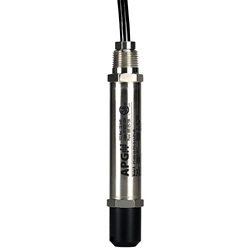
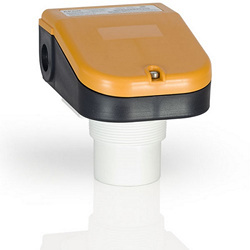
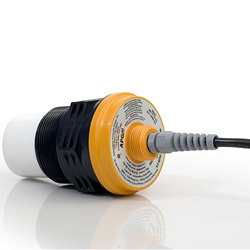
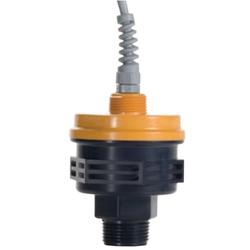
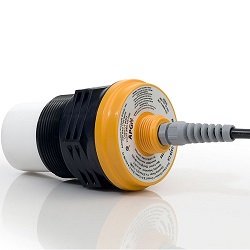
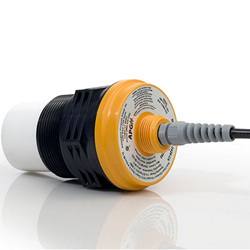
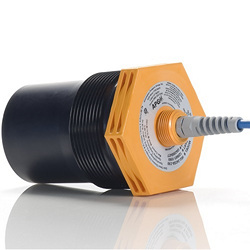
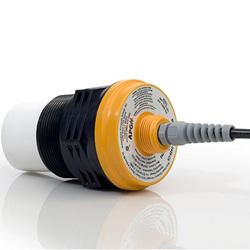
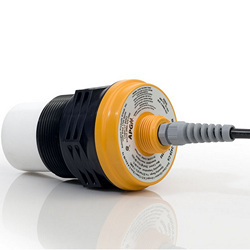
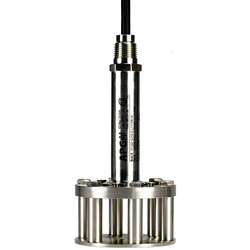
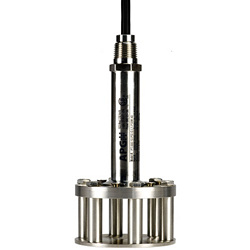
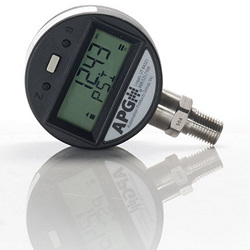
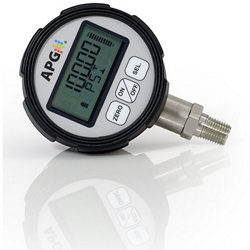
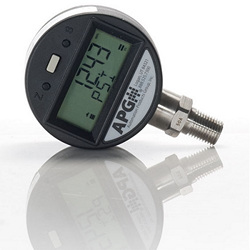
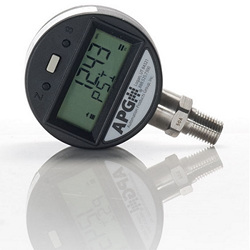
APG is widely recognized for its level measurement technologies, including ultrasonic, radar, and submersible pressure sensors. These devices are used to monitor liquid levels in tanks, wells, sumps, and bulk storage environments, including applications involving challenging materials such as slurries or viscous fluids. In addition to level sensing, APG offers pressure transmitters and ultrasonic distance sensors for object detection and position measurement. Their products are designed for straightforward installation, stable signal performance, and minimal maintenance, making them suitable for long-term use in industrial systems.
APG instrumentation supports integration with common industrial control systems through standard output signals such as 4–20 mA and digital communication protocols. These sensors are widely used in SCADA systems, PLC-based automation, and remote monitoring applications where accurate and timely data is critical. With a focus on durability and measurement reliability, APG products help support efficient process control and system performance across a wide range of industrial environments.




FAQs
Q: What does APG specialize in?
APG specializes in level, pressure, and distance measurement instruments designed for industrial automation and harsh-environment applications.
Q: What types of level sensors does APG offer?
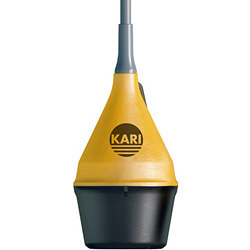
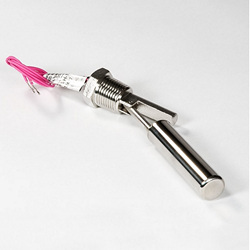
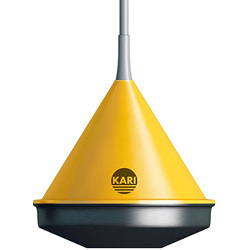
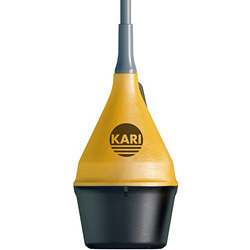
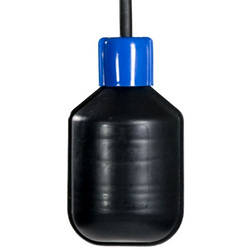
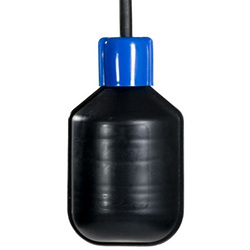
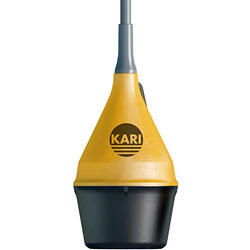
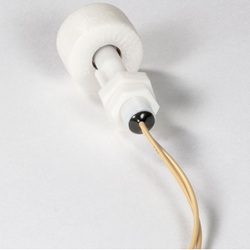
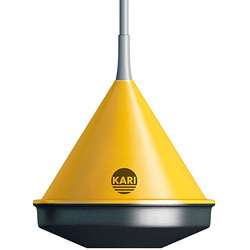
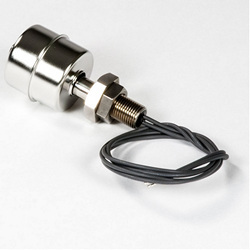
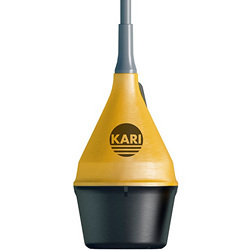
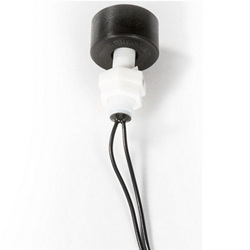
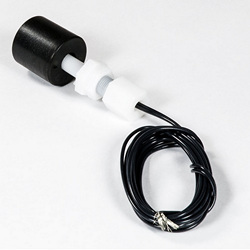
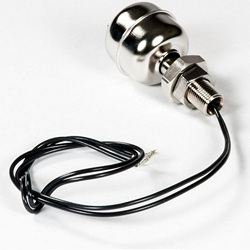
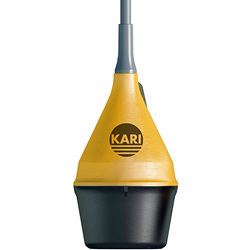
APG offers ultrasonic, radar, submersible pressure, float-based, and continuous level transmitters for tanks, wells, sumps, silos, and industrial processes.
Q: Does APG manufacture pressure transmitters?
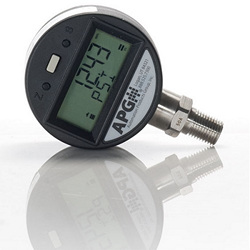
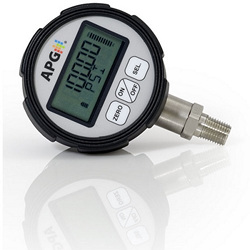
Yes, APG produces pressure transducers and transmitters used for pump control, fluid systems, automation equipment, and general process monitoring.
Q: What distance or object detection sensors does APG offer?
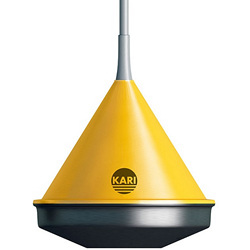
APG manufactures ultrasonic distance sensors used for object detection, position measurement, and collision avoidance in industrial applications.
Q: Do APG sensors support standard industrial outputs?
Yes, many APG sensors support common outputs such as 4–20 mA, Modbus, and other communication protocols used in automation and control systems.
Why Buy APG Instrumentation from RSP Supply
RSP Supply offers a selection of APG instrumentation products for customers requiring accurate and reliable measurement solutions in industrial environments. With products designed for level, pressure, and distance sensing, customers can source components that support effective monitoring and control across a variety of applications.