

ABB Instrumentation
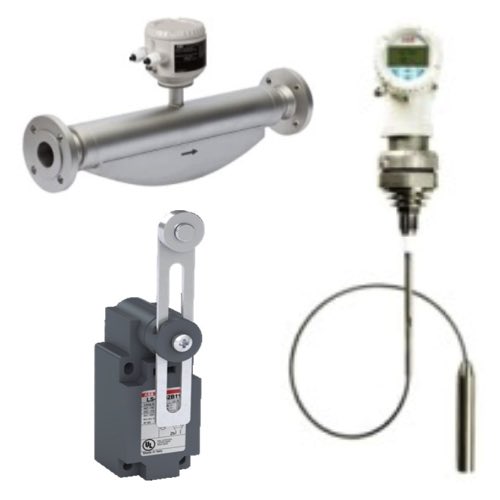
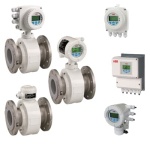
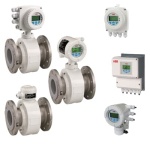
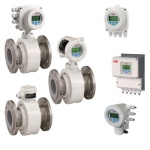
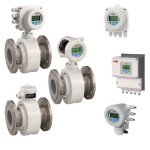
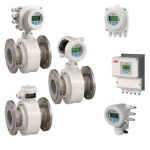
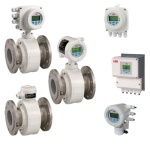
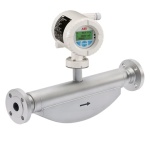
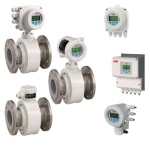
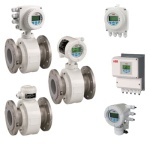
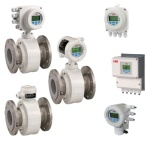
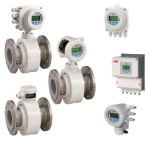
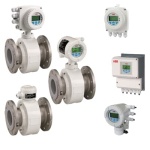
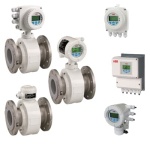
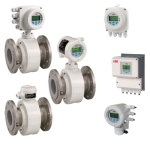
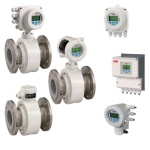
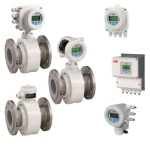
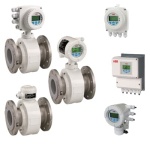
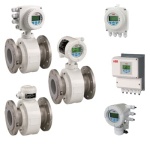
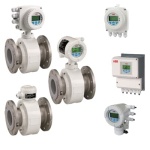
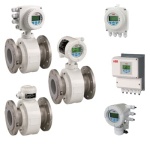
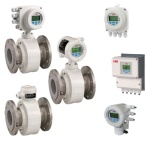
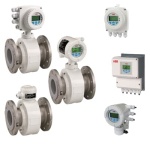
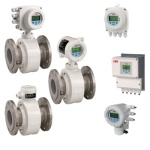
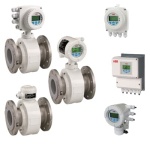
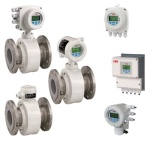
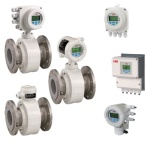
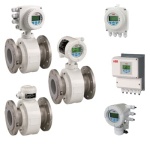
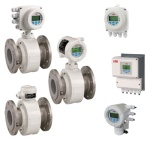
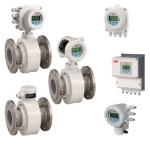
RSP Supply carries a full line of ABB instrumentation designed for precision, reliability, and integration in industrial process measurement and automation systems. ABB is a global leader in flow, pressure, level, temperature, and analytical instrumentation, offering dependable solutions for demanding environments.
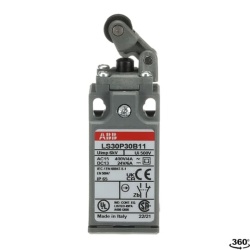
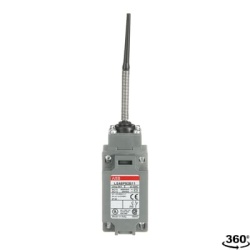
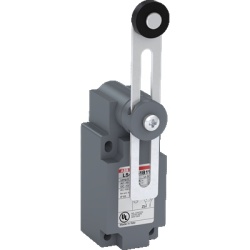
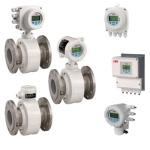
ABB instruments deliver high accuracy and long-term stability in critical process applications across industries such as oil and gas, water treatment, chemical processing, pulp and paper, and energy production. These devices are built to withstand exposure to extreme temperatures, vibration, pressure, and corrosive materials while maintaining consistent, repeatable performance. Common ABB instrumentation includes flowmeters, pressure transmitters, level sensors, temperature probes, valve positioners, and analyzers. They are designed to provide continuous monitoring and feedback for process optimization, safety compliance, and energy efficiency. With support for both analog (4–20 mA) and digital communication protocols such as HART, Modbus, and Profibus, ABB instruments integrate seamlessly with PLC, DCS, and SCADA systems.
Whether used in a new automation system or as part of an upgrade, ABB instrumentation helps operators improve visibility, enhance asset utilization, and ensure reliable process control.
FAQs
What is ABB instrumentation used for?
ABB instrumentation is used to measure and monitor critical process variables such as flow, pressure, level, temperature, and analytical values in industrial systems. These measurements provide real-time data that supports process control, equipment protection, safety compliance, and operational efficiency. ABB instruments are commonly deployed in continuous and critical process applications.
What types of instrumentation does ABB offer?
ABB offers a wide range of instrumentation products including flowmeters, pressure transmitters, level measurement devices, temperature sensors, analyzers, and field instruments. These products are designed to support both simple monitoring applications and complex process control systems. Proper selection depends on the application, process media, operating conditions, and accuracy requirements.
How reliable is ABB instrumentation in harsh environments?
ABB instrumentation is designed for high reliability in harsh industrial environments, including high temperatures, corrosive chemicals, vibration, and hazardous locations. Robust construction, advanced materials, and proven sensor technology allow ABB instruments to perform consistently under demanding conditions. Correct installation and application-specific selection further enhance long-term reliability.
How does ABB instrumentation integrate with automation systems?
ABB instrumentation integrates seamlessly with automation platforms using standard output signals such as 4–20 mA, HART, and digital industrial communication protocols. This enables smooth communication with PLCs, DCS, and SCADA systems for real-time monitoring and control. Integration capabilities make ABB instruments suitable for both new installations and system upgrades.
Does ABB instrumentation require calibration and maintenance?
Yes, ABB instrumentation requires periodic calibration and inspection to maintain measurement accuracy and system reliability. Calibration frequency depends on process criticality, operating conditions, and regulatory requirements. ABB instruments are designed for long-term stability, and routine maintenance helps detect sensor drift or environmental effects early, supporting consistent performance and reduced downtime.
Why Buy ABB Instrumentation from RSP Supply
RSP Supply provides a trusted source for ABB instrumentation, offering expert support, competitive pricing, and fast shipping. Whether you need precision measurement for flow, pressure, or level monitoring, RSP Supply ensures access to the reliable ABB products your system depends on.