

Dwyer Instrumentation
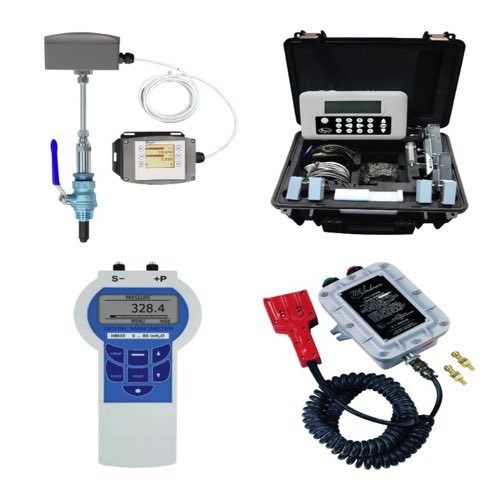
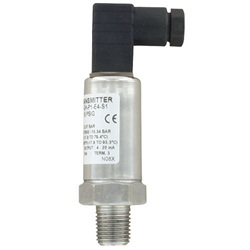
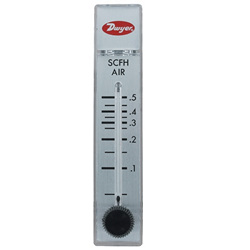
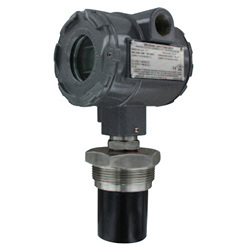
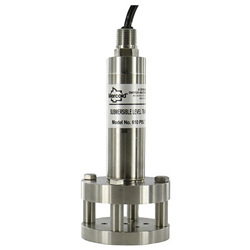
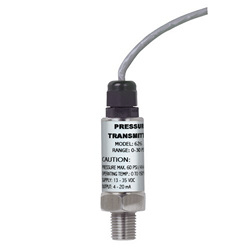
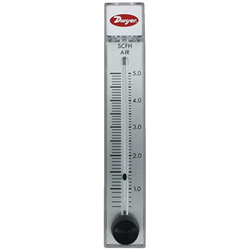
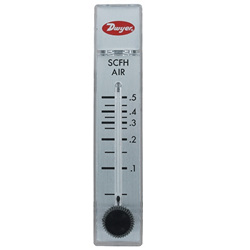
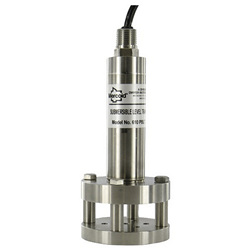
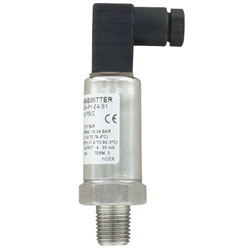
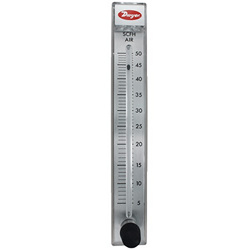
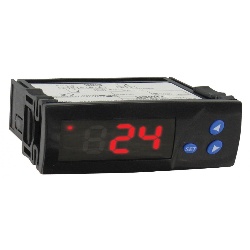
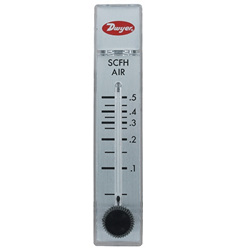
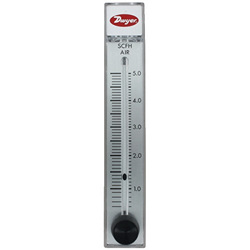
Dwyer instrumentation is available for measuring and controlling pressure, flow, temperature, air velocity, air quality, and process variables in industrial, commercial, and HVAC applications, with options including pressure gauges, transmitters, flow meters, air velocity sensors, temperature controllers, and process monitors.
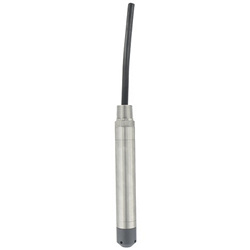
Dwyer Instruments has long been recognized as a global leader in pressure, flow, and air quality measurement solutions. RSP Supply carries a comprehensive selection of Dwyer instrumentation designed to deliver fast, accurate, and reliable data in industrial, commercial, and HVAC applications. From pressure gauges and transmitters to air velocity sensors, temperature controllers, and process monitors, Dwyer provides dependable tools for critical measurement and control tasks built for consistent performance in rugged, high-demand environments.
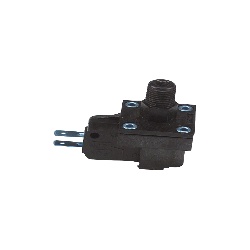
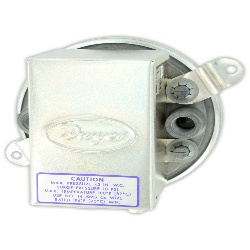
Dwyer's advanced technology ensures that engineers and technicians get the precision and consistency they need without constant recalibration. The brand's commitment to straightforward, high-quality instrumentation has made it a trusted name in process automation, manufacturing, and air handling systems around the world. Whether you need pressure transmitters, flow switches, or differential pressure gauges, RSP Supply has the Dwyer products to keep your systems running efficiently and accurately.
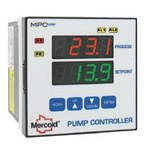
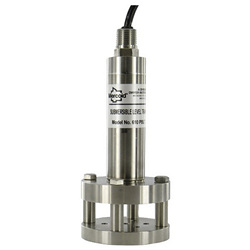
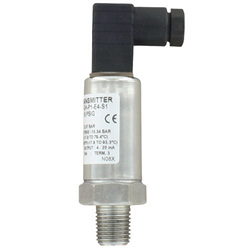
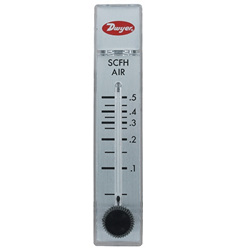
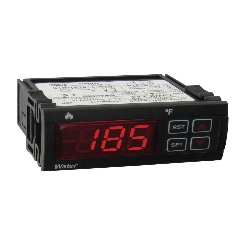
FAQs
Q: What types of products does Dwyer Instruments manufacture?
Dwyer produces instrumentation for measuring pressure, flow, temperature, level, air velocity, and air quality in industrial, commercial, and HVAC applications.
Q: What are some of Dwyer's most recognized products?
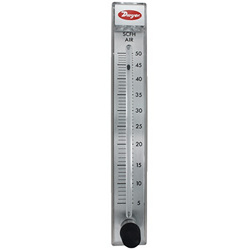
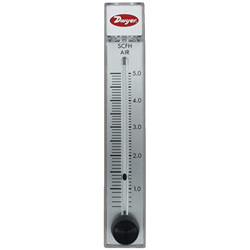
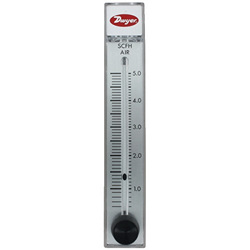
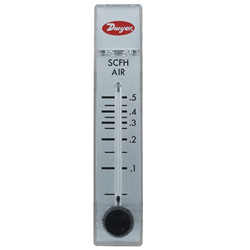
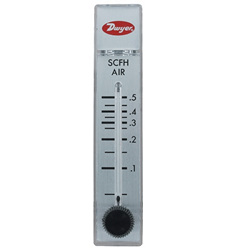
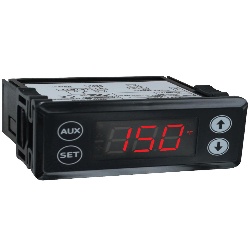
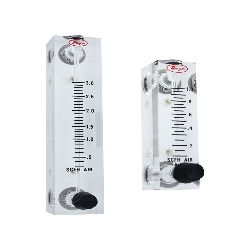
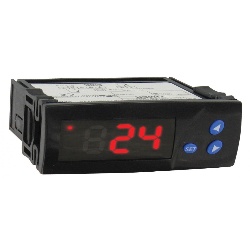
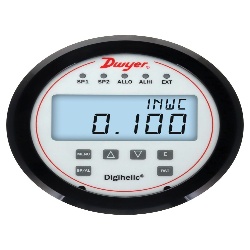
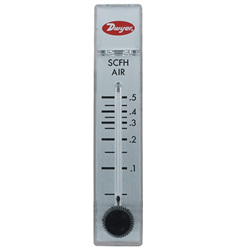
Well-known Dwyer products include Magnehelic differential pressure gauges, Digihelic controllers, flow meters, air velocity sensors, and Love Controls temperature controllers.
Q: Does Dwyer offer digital or smart instrumentation?
Yes. Many Dwyer instruments feature digital displays, electronic transmitters, and communication options such as Modbus and BACnet for integration with PLCs, BAS, and process control systems.
Q: How do I select the correct Dwyer instrument for my application?
Selection depends on the variable being measured, required measurement range, environmental conditions, mounting method, and integration needs with control or monitoring systems.
Q: Where is Dwyer Instruments based?
Dwyer Instruments is headquartered in Michigan City, Indiana, and supplies measurement and control solutions to customers worldwide through distributors and industrial channels.
Why Buy Dwyer Instrumentation from RSP Supply
RSP Supply offers a comprehensive range of Dwyer instrumentation trusted for accurate measurement and reliable performance. Our catalog supports industrial, commercial, and HVAC applications with clearly specified products designed for professional use. Customers rely on RSP Supply for dependable manufacturers, detailed technical information, and instrumentation solutions that support efficient and accurate system operation.