

Fluke Instrumentation
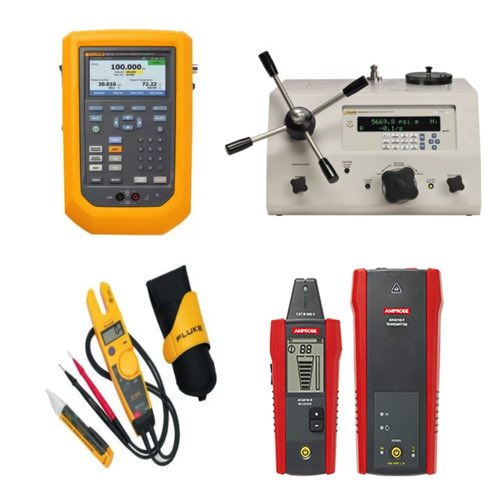
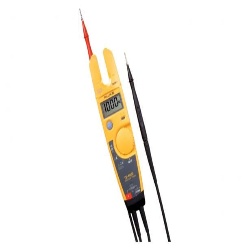
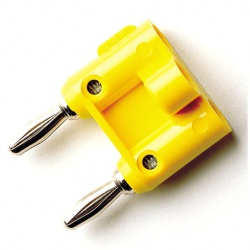
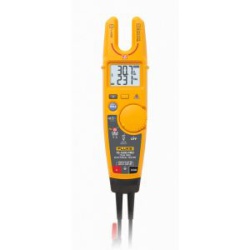
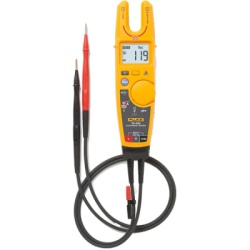
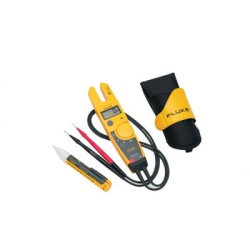
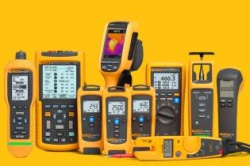
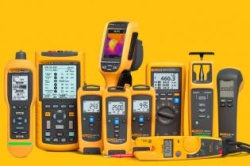
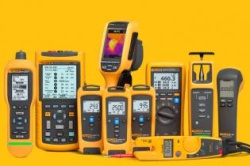
Fluke products are synonymous with reliable accuracy and durability, the main traits that make their electrical testing products popular among a wide range of users, from electricians and industrial maintenance crews working in all kinds of environments to engineering students in classroom settings. Their brand reputation and the slogan "the best for the best" aptly fit this product line catering to the upper echelon of electrical test and measurement tools. Their lineup of products spans from standard digital multimeters to more advanced diagnostic tools like power quality analyzers that measure the performance of the power system loads.
All of Fluke test products are designed to deliver reliable and precise readings with a high degree of safety. For jobs where not only the duration of the overload conditions are tested but also the type of force that circuits can withstand, Fluke products deliver the kind of reliability that any potential user can appreciate. Fluke devices are rigorously tested and built to a quality standard that's more common in military and aerospace applications.




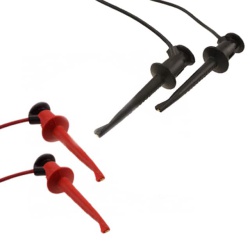
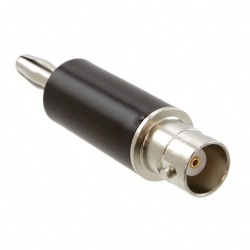
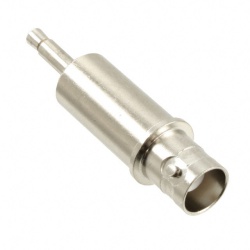
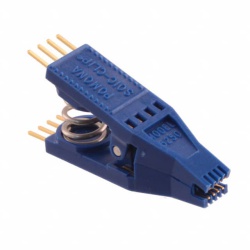
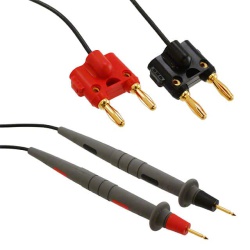
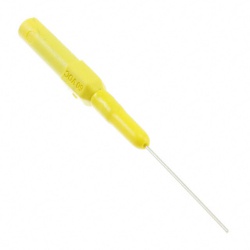
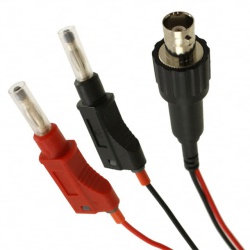
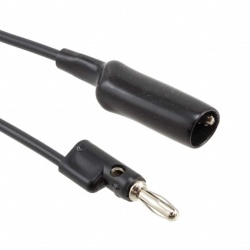
FAQs
Q: What are Fluke instruments used for?
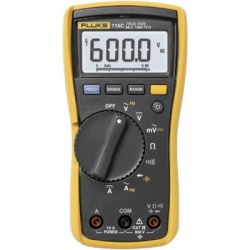
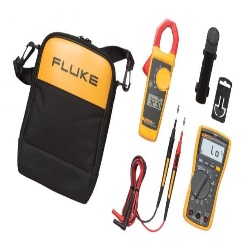
Fluke instruments are used for electrical testing, troubleshooting, diagnostics, and measurement in industrial, commercial, and residential applications.
Q: Why do professionals prefer Fluke instruments?
Professionals rely on Fluke for consistent measurement accuracy, rugged construction, dependable performance under load, and compliance with recognized electrical safety standards.
Q: Are Fluke digital multimeters suitable for high-voltage applications?
Yes, many Fluke digital multimeters are rated for CAT III and CAT IV environments, making them suitable for high-energy circuits and industrial electrical systems.
Q: Do Fluke instruments support wireless connectivity?
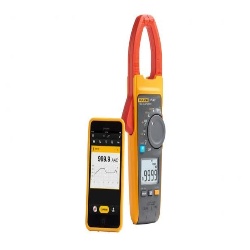
Many Fluke instruments support Fluke Connect, allowing wireless data logging, trend analysis, and sharing measurement data with maintenance teams.
Q: Where are Fluke instruments commonly used?
Fluke instruments are commonly used in electrical contracting, industrial maintenance, HVAC, manufacturing, utilities, energy systems, and electronics troubleshooting.
Why Buy Fluke Instruments from RSP Supply
RSP Supply offers a comprehensive selection of Fluke instruments to support professional electrical testing and diagnostics. Customers choose RSP Supply for access to trusted manufacturers, detailed technical information, and knowledgeable support when selecting test and measurement equipment. Fluke instruments available through RSP Supply provide reliable performance, accurate readings, and compliance with industry safety requirements across demanding applications.