
Force & Strain Measurement
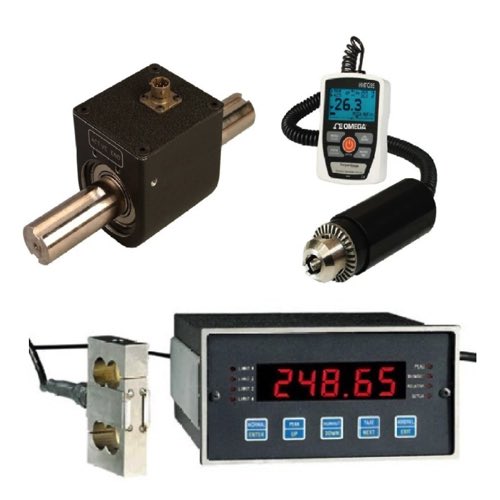
Force and strain measurement solutions are essential for monitoring mechanical loads, stress, and material behavior in industrial, research, and testing environments. These products convert physical force or deformation into electrical signals that can be measured, recorded, and analyzed, helping engineers evaluate performance, safety, and structural integrity across a wide range of applications.
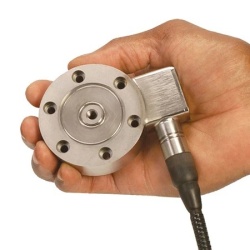
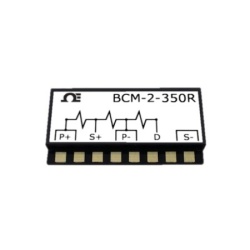
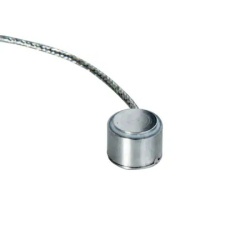
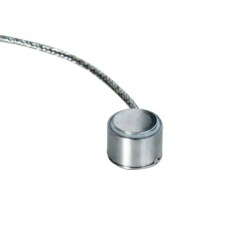
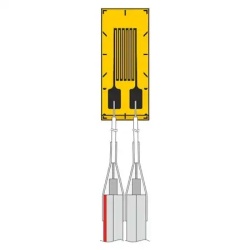
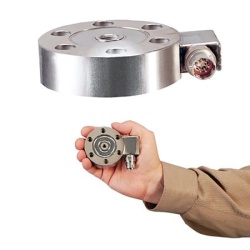
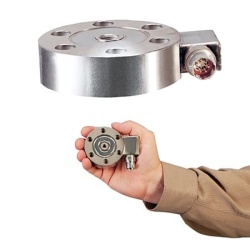
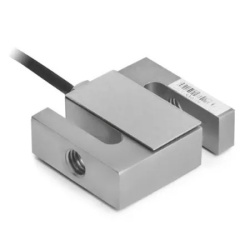
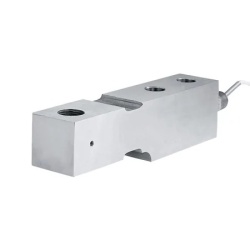
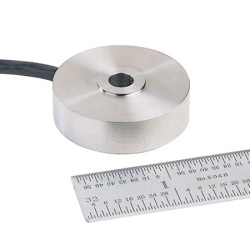
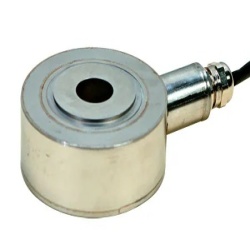
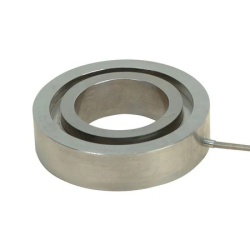
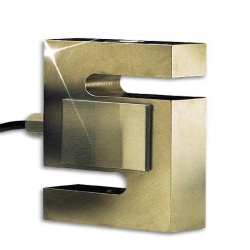
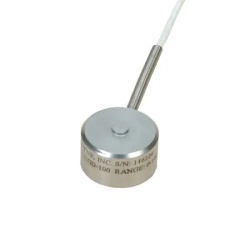
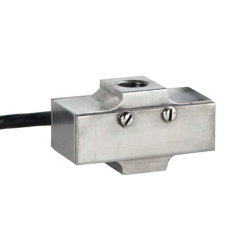
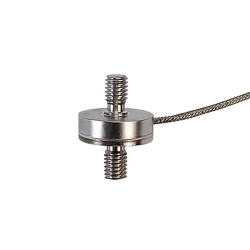
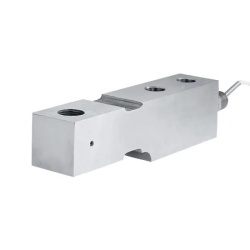
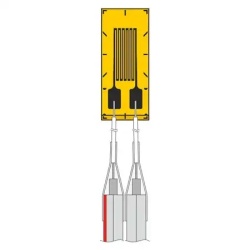
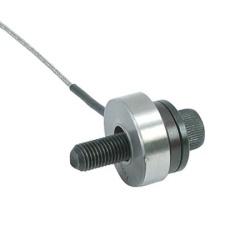
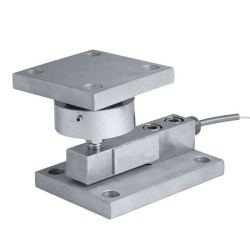
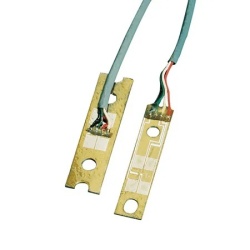
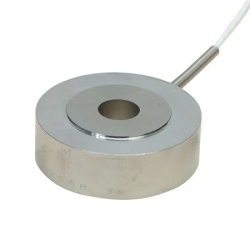
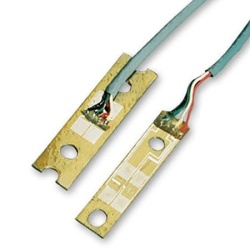
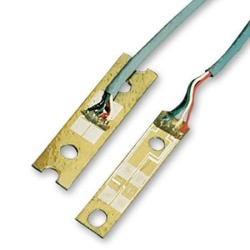
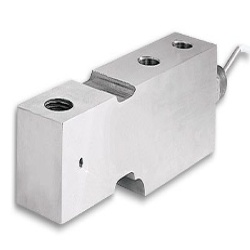
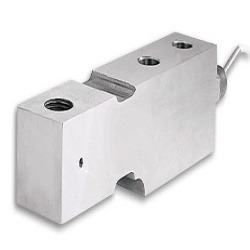
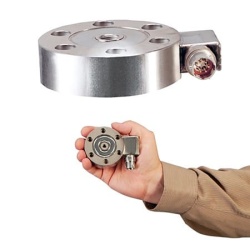
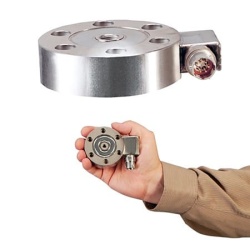
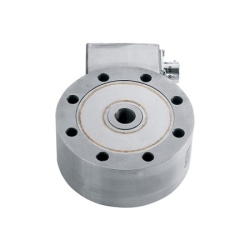
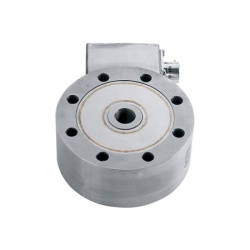
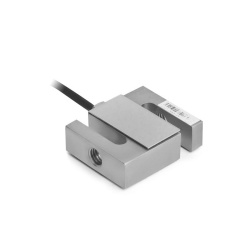
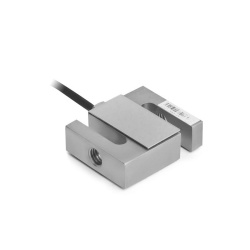
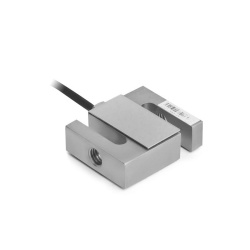
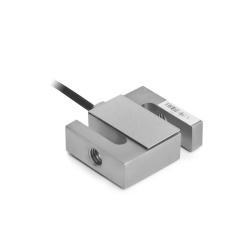
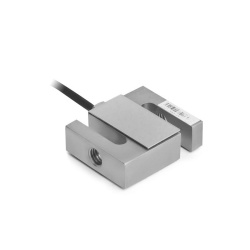
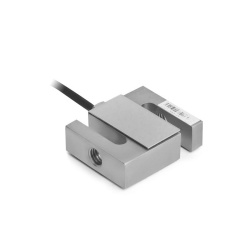
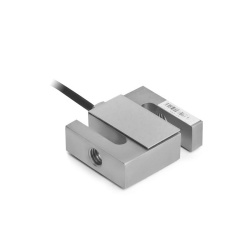
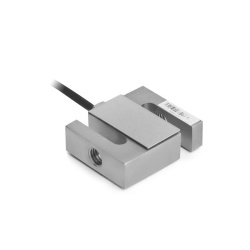
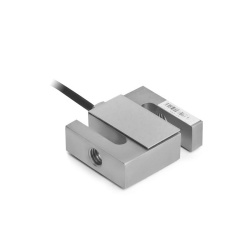
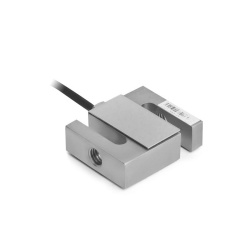
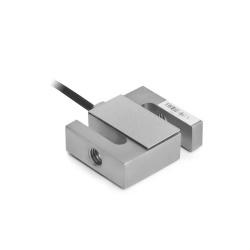
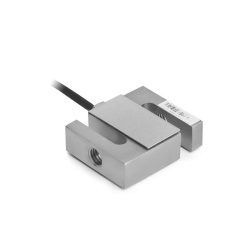
Common force and strain measurement devices include load cells, strain gauges, and force sensors. Strain gauges are typically bonded directly to a surface, where even small changes in material strain result in measurable changes in electrical resistance. Load cells are designed to measure applied force in tension, compression, or multiple axes, making them suitable for applications ranging from laboratory testing to heavy industrial weighing and process control.
Modern measurement systems are engineered for accuracy, repeatability, and long-term durability. Many load cells are constructed from stainless steel or specialized alloys to withstand harsh conditions such as high pressure, vibration, temperature extremes, or corrosive environments. With a variety of capacities, sensitivities, and mounting styles available, force and strain measurement products can be tailored to meet precise application requirements.



FAQs
Q: What are force and strain measurement devices used for?
They are used to measure mechanical loads, stress, deformation, and force in materials and structures for monitoring, testing, and performance analysis.
Q: What is the difference between a load cell and a strain gauge?
A strain gauge measures surface strain by detecting changes in electrical resistance, while a load cell uses strain gauges or similar sensing elements to measure applied force directly.
Q: What types of forces can load cells measure?
Load cells can be designed to measure tension, compression, shear, or multi-axis forces depending on the application and sensor design.
Q: Are force and strain sensors suitable for harsh environments?
Yes, many sensors are built with rugged materials and sealed constructions to operate reliably in environments with vibration, moisture, temperature extremes, or corrosive conditions.
Q: How are force and strain measurement signals typically used?
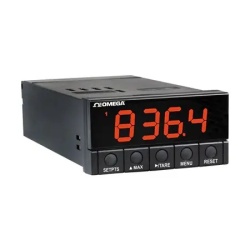
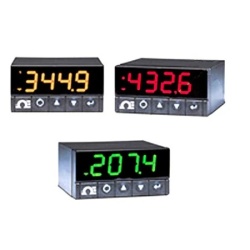
The electrical signals produced by these devices are commonly used for data logging, process monitoring, control systems, and structural or performance analysis.
Why Buy Force & Strain Measurement Solutions from RSP Supply
RSP Supply offers a wide selection of force and strain measurement products designed for accuracy and reliability in demanding applications. Our lineup includes load cells, strain gauges, and related measurement components suitable for industrial, laboratory, and testing environments. Customers rely on RSP Supply for dependable sensor technology, technical product knowledge, and solutions that support precise measurement and long-term performance.