All Labels & Markings

Industrial labels and markings are essential for safe operation, clear identification, and regulatory compliance across industrial, commercial, and facility environments. These labels communicate critical information such as safety warnings, part numbers, ratings, wiring identification, operating instructions, and certification details. Without proper labeling, even well-designed systems can become difficult to maintain, unsafe to operate, or non-compliant with industry standards.
Safety and compliance are primary drivers for industrial labeling solutions. Regulatory bodies such as OSHA, ANSI, UL, IEC, and ISO require specific labels and markings to identify hazards, voltage and current ratings, degrees of protection, and approved certifications. Clear, legible labeling helps reduce training time, prevents installation errors, and supports inspections by ensuring equipment is correctly identified and applied.
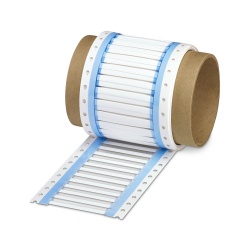
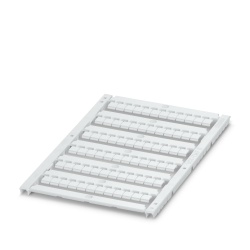
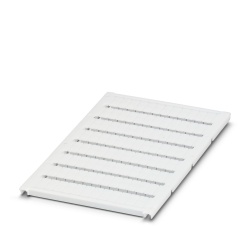
RSP Supply offers industrial labels and markings from trusted manufacturers, including Panduit, Phoenix Contact, and Schneider Electric. These solutions are engineered to withstand harsh environments involving temperature extremes, moisture, chemicals, UV exposure, and abrasion. Durable materials, reliable adhesives, and precise printing or engraving methods ensure long-lasting legibility. Proper labeling also improves productivity by simplifying troubleshooting, reducing downtime, and enhancing organization within control panels, machinery, and facilities.
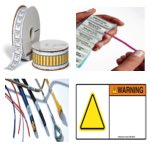 HellermannTyton Labels & Markings
 Panduit Labels & Markings
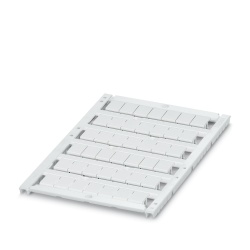
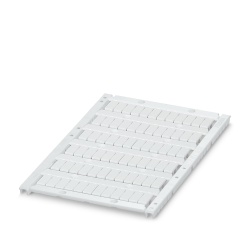
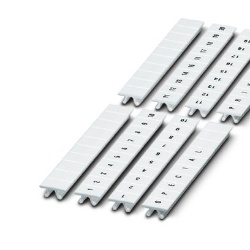
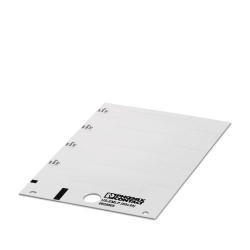
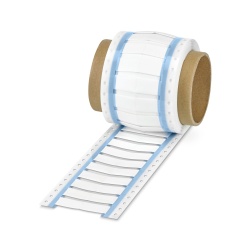
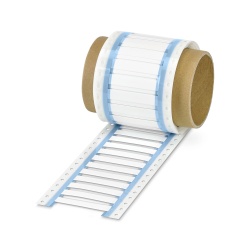
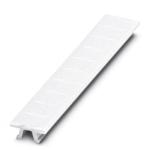
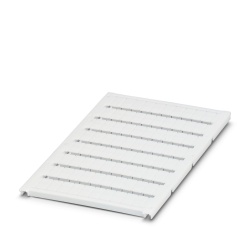
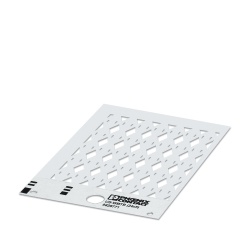
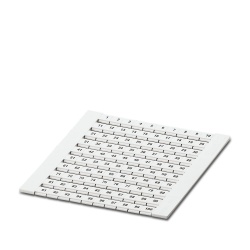
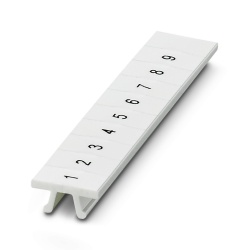
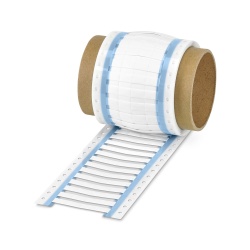
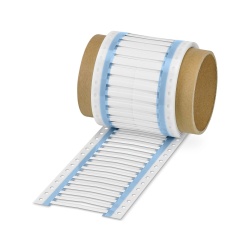
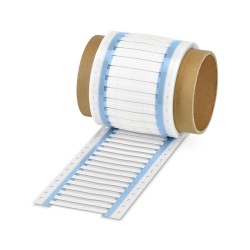
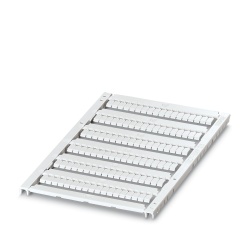
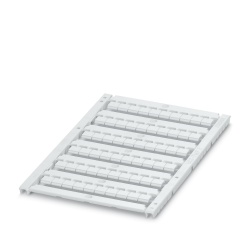
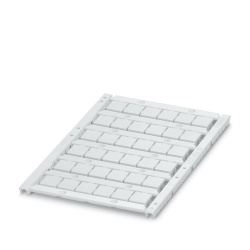
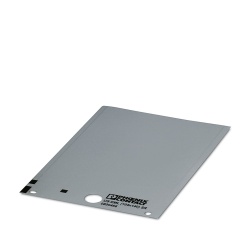
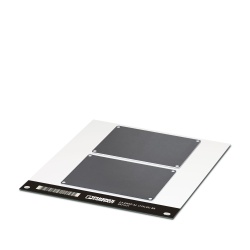
 Phoenix Contact Labels & Markings
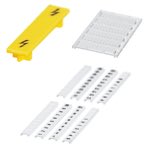 Schneider Electric Labels & Markings
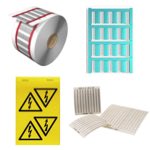 Weidmuller Labels & Markings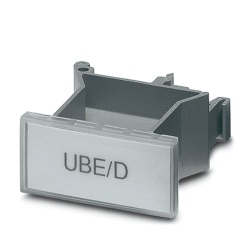












FAQs
Q: What are industrial labels and markings used for?
Industrial labels and markings identify equipment, communicate safety warnings, provide technical ratings, and demonstrate compliance with industry standards. They help ensure proper use and reduce the risk of errors or accidents.
Q: Why are labels and markings important for safety?
Labels provide immediate visual information about hazards, operating limits, and required precautions. Clear safety labeling helps prevent injuries, equipment damage, and regulatory violations.
Q: What standards govern industrial labels and markings?
Common standards include OSHA, ANSI, UL, IEC, and ISO. These standards specify required information, label appearance, placement, and durability based on application and environment.
Q: How do I choose the right label material?
Material selection depends on environmental exposure, including temperature, moisture, chemicals, UV light, and abrasion. Options may include vinyl, polyester, metal tags, or engraved markings based on durability requirements.
Q: Can improper labeling cause compliance issues?
Yes. Missing, incorrect, or illegible labels can result in failed inspections, fines, safety incidents, and increased liability. Proper labeling is a critical part of regulatory compliance and risk management.
Why Buy Industrial Labels and Markings from RSP Supply
RSP Supply offers a wide range of industrial labels and marking solutions designed for durability, clarity, and compliance. Our products support safety identification, equipment labeling, and regulatory requirements across industrial, commercial, and facility environments. Customers rely on RSP Supply for dependable labeling solutions, technical guidance, and products that help maintain safe, organized, and compliant operations.