
All Relays, Timers & Counters
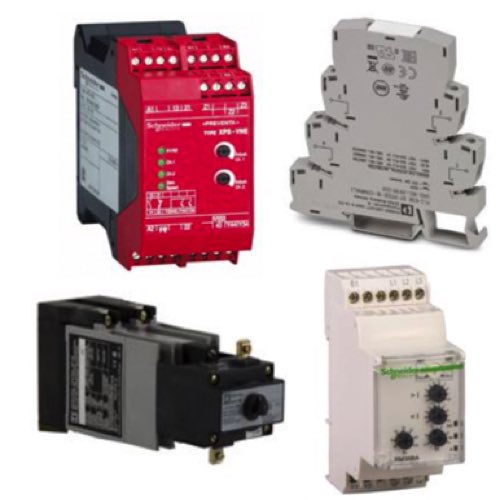
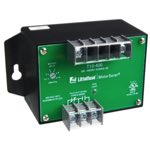
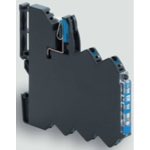
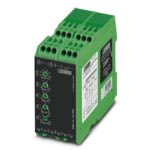
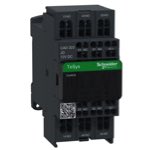
Industrial relays, timers, and counters are foundational components in control panels and automation systems. These devices provide practical and reliable solutions for switching, time-based control, and event tracking without requiring complex programming. They are widely used to control electrical loads, isolate circuits, and perform straightforward logic functions in manufacturing and process environments.
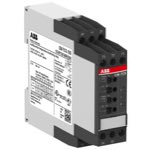
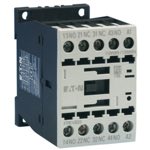
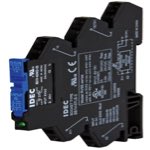
Relays function as electrically operated switches, allowing a low-power control signal to manage higher-power circuits safely and efficiently. Timers support delay-on, delay-off, pulse, and sequencing operations to coordinate equipment actions and reduce mechanical or electrical stress. Counters track pulses, cycles, or events from sensors and switches to monitor production output, batch processes, and machine cycles. Together, these components enable consistent, repeatable control in both new installations and retrofit applications.
Available in a variety of configurations, mounting styles including DIN-rail and electrical ratings, relays, timers, and counters can be tailored to meet specific system requirements. Designed for durability in industrial environments, they are commonly used across manufacturing, material handling, packaging, process automation, and building systems where dependable performance is essential.
FAQs
Q: How do I choose the right relay, timer, or counter for my application?
Selecting the appropriate device depends on load type, control voltage, switching frequency, and overall application requirements. Relays are used for switching and isolation, timers for time-based control or sequencing, and counters for tracking pulses or events. Environmental conditions, mounting style, and electrical ratings should also be evaluated to ensure reliable operation.
Q: What is the difference between electromechanical and solid-state relays?
Electromechanical relays use physical contacts to switch loads and are well suited for general-purpose and higher-current applications. Solid-state relays use electronic components with no moving parts, offering faster switching and longer service life in high-cycle or vibration-prone environments.
Q: When should I use a timer or counter instead of a PLC?
Timers and counters are ideal for simple, standalone control functions where programming is unnecessary. They are commonly used for basic delay functions, sequencing, cycle counting, or batch control when system logic does not require advanced automation or communication capabilities.
Q: Are relays, timers, and counters suitable for industrial control panels?
Yes. These components are specifically designed for control panel installation and are often DIN-rail mounted. They are built to withstand electrical noise, vibration, and continuous operation in industrial environments.
Q: What industries commonly use relays, timers, and counters?
They are widely used in manufacturing, packaging, material handling, water and wastewater, food and beverage processing, HVAC, and industrial automation systems for machine control, sequencing, safety interlocks, and production monitoring.
Why Buy Industrial Relays, Timers & Counters from RSP Supply
RSP Supply offers a comprehensive selection of industrial relays, timers, and counters for control panel and automation applications. With multiple configurations, mounting options, and electrical ratings available, customers can select components suited to both new installations and retrofit projects. RSP Supply provides dependable industrial control solutions backed by knowledgeable support for manufacturing and process system requirements.