

Terminal Blocks
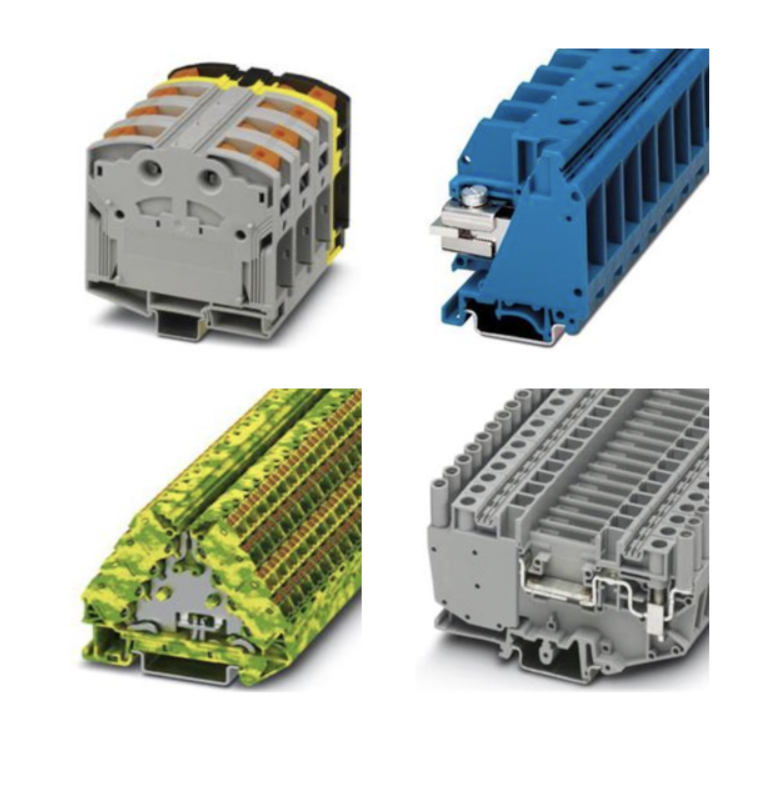
Terminals blocks are common components that safely and efficiently connect wires in electrical systems—especially control panels, distribution systems, and industrial automation. They organize and manage the kind of complex wiring that electric control engineers work with every day and provide a secure, yet simple, way to make numerous wire connections without the worry of them coming apart during operation.
Although PCB terminal blocks and terminal block connectors serve specialized functions, directly interfacing with circuit boards or components in a modular format, traditional terminal blocks are vital for field wiring. Their modular nature allows for installation on DIN rails or mounting plates, which makes them suitable for control cabinets and junction boxes, where the organization is crucial. They are easily accessible, and you can wire them to just about any kind of electrical component. Terminal blocks are designed to accommodate a wealth of different wire sizes and conductor cross sections, so they couple with a large variety of components to provide consistent, reliable service.
 Eaton Terminal Blocks
 IDEC Terminal Blocks
 Phoenix Contact Terminal Blocks
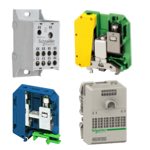 Schneider Electric Terminal Blocks
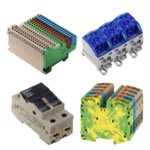 Weidmuller Terminal Blocks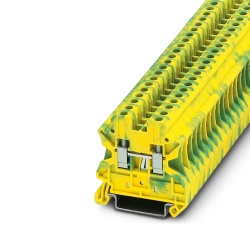
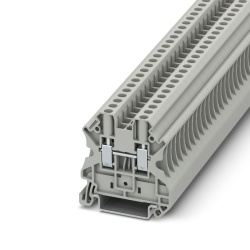
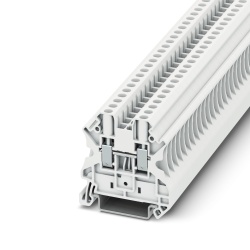
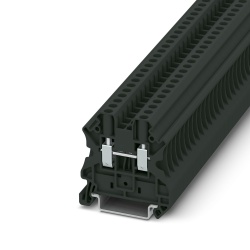
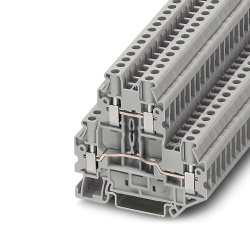
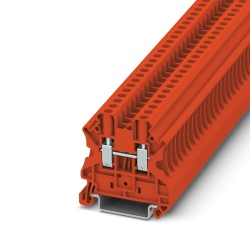
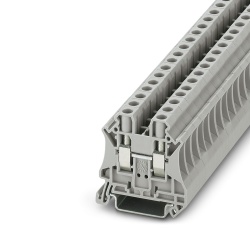
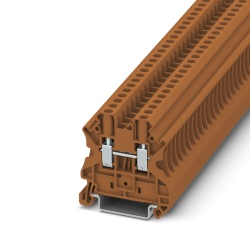
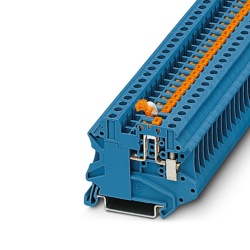
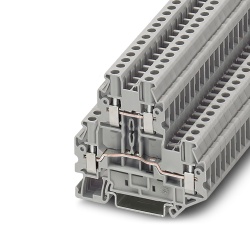
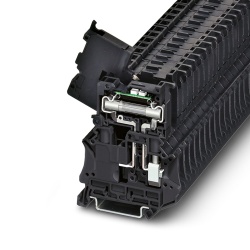
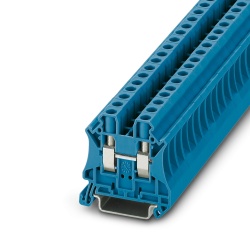
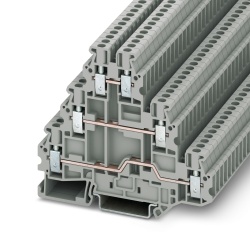
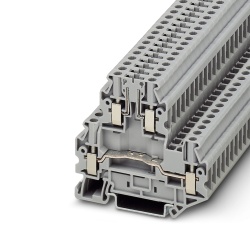
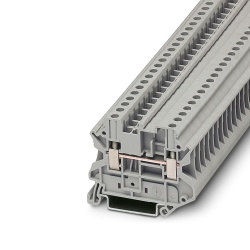
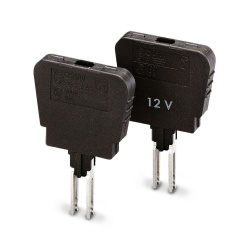
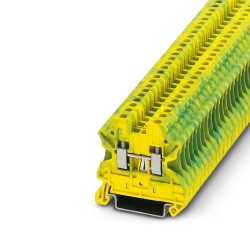
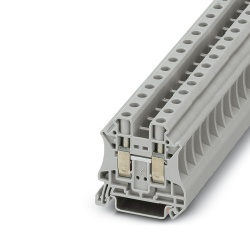
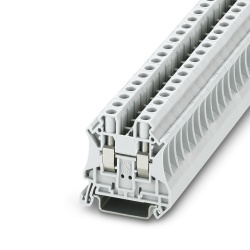
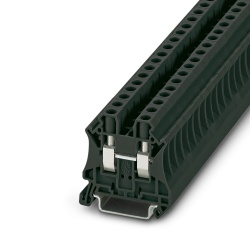
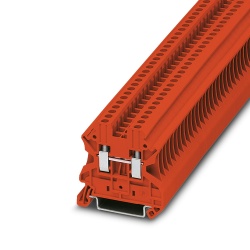
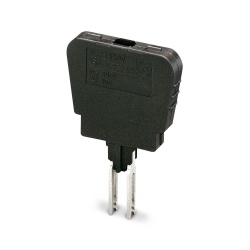
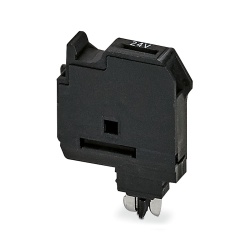
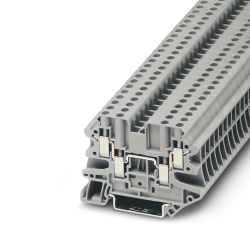
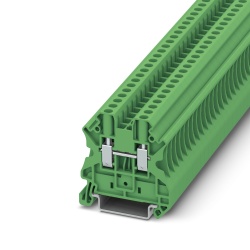
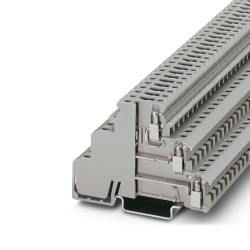
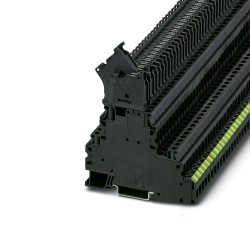
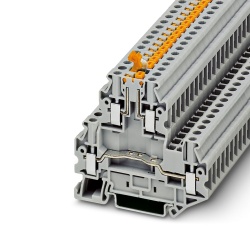
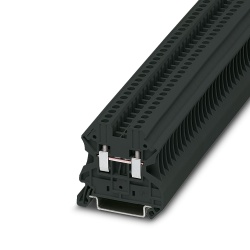
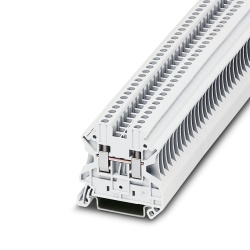
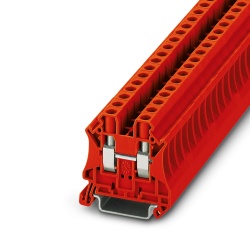
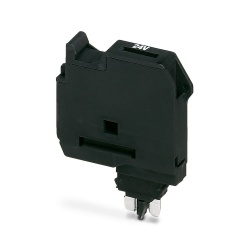
More Information about Terminal Blocks
Barrier strips, a common kind of terminal block, are often used when it's critical to have circuit separation and insulation, particularly in high current situations. These strips are engineered very well to keep wires tight and in place. Terminal blocks allow for easy installation, easy wiring and easy testing to a high degree in various industrial applications.
FAQs
What type of connection technology do terminal strips use to connect conductors in a wide range of applications?
Terminal strips typically use screw or spring clamp connection technology to connect conductors securely in a wide range of applications, offering reliable and durable electrical connections.
What advantages do terminal blocks provide when working with different conductor types?
Terminal blocks provide the advantage of secure, consistent connections across different conductor types by accommodating various wire sizes and offering multiple connection technologies such as screw, push-in, and spring clamp.
Terminal Blocks: The Top 5 Things You Must Know
Is there a plan in place?
Make sure to have a proper plan in place for a specific application. With such a wide variety of terminal blocks available, it is important to use the correct types for various circuits. If the wrong types of terminal blocks are used, it could cause many issues, including possibly being very dangerous.
Is a disconnect necessary?
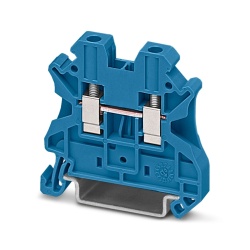
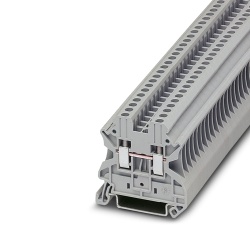
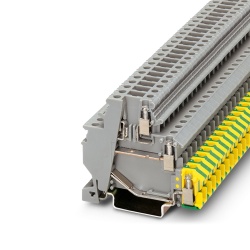
The most basic types of terminal blocks, simply act as a junction point. This allows current to pass through with nothing to stop it. However, if there is a need to stop current from flowing, some kind of disconnect will be required. There are a variety of different types of terminal blocks that have manual disconnects that can be used for this very purpose.
What about protection?
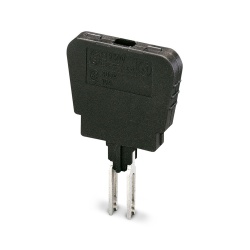
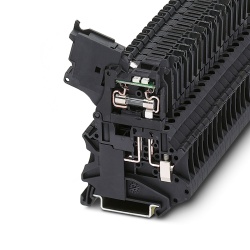
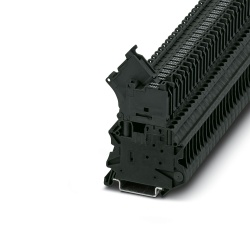
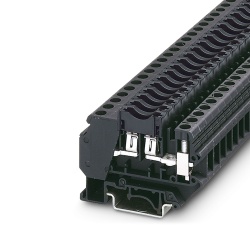
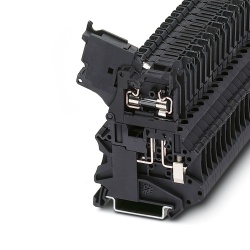
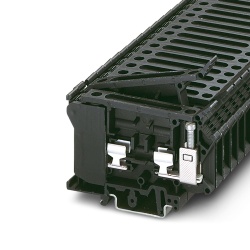
In many cases, devices connected to terminal blocks need protection. Terminal blocks that have a place for a fuses to be connected would be the ideal choice.
Is space limited?
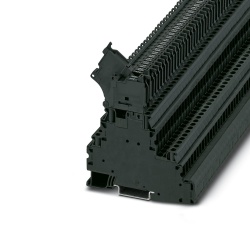
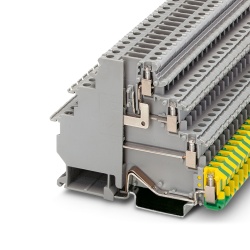
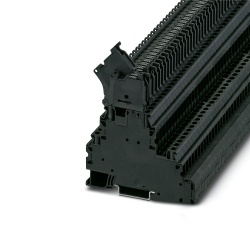
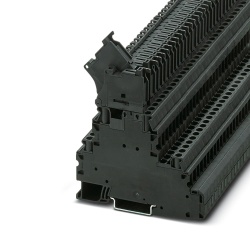
In situations where there is very little room to accommodate the amount of IO that is need for a specific scenario, multi-level terminal blocks can wire multiple points or circuits in much less space than using single level terminal blocks.
Is grounding necessary?
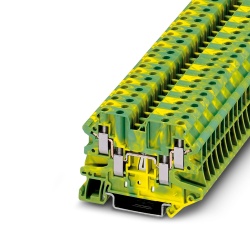
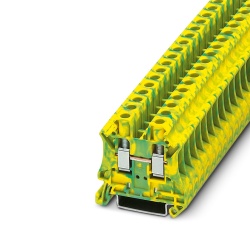
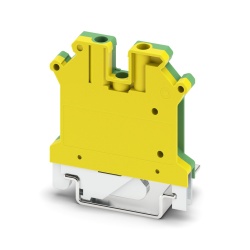
When doing any kind of electrical wiring, proper grounding is essential to make sure all components in that circuit function properly. There are several different styles of grounding terminal blocks to meet different scenarios.