

Schneider Electric Terminal Blocks
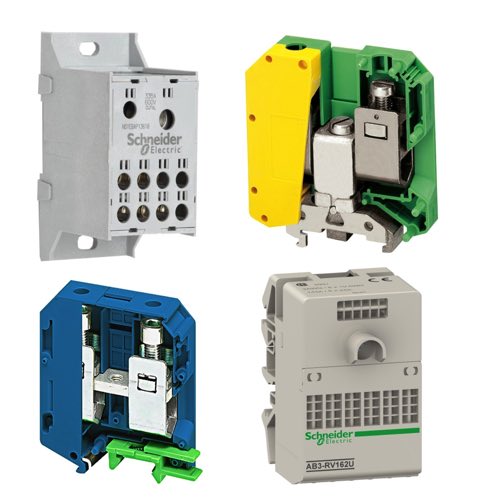
The terminal blocks produced by Schneider Electric are built to deliver safe and reliable wire connections across all sorts of electrical systems found in commercial and industrial environments. These systems can be quite varied, including everything from power distribution setups to control panels and even automation systems. Regardless of what specific kind of wiring scenario you might be dealing with, the precise, high-quality construction of Schneider Electric's terminal blocks ensures that your wire connections are going to be organized, easy to manage, and straightforward to maintain.
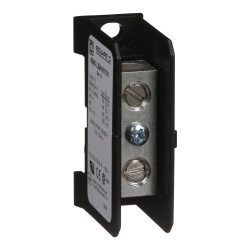
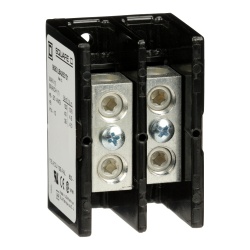
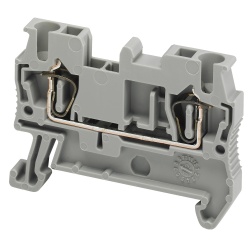
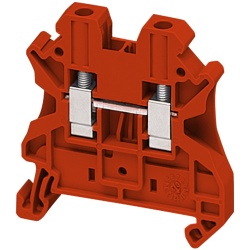
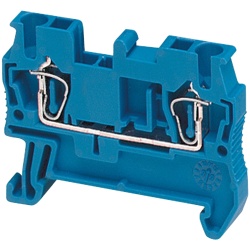
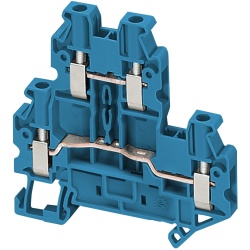
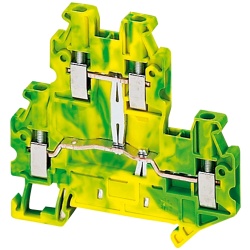
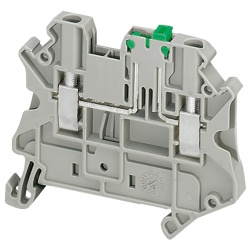
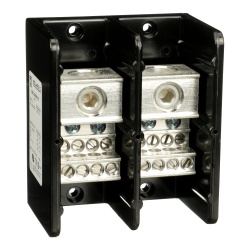
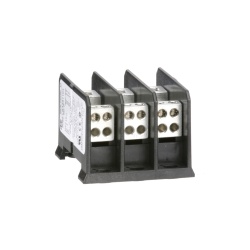
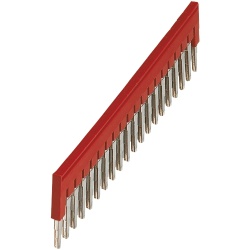
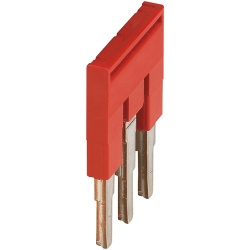
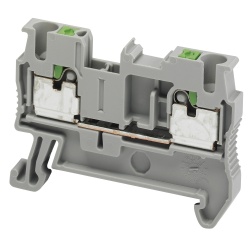
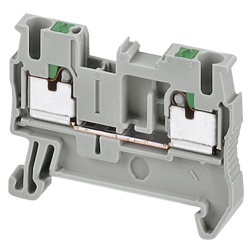
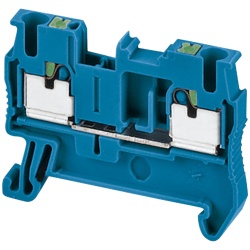
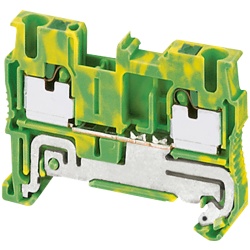
Available in screw, spring, and push-in connection styles, Schneider Electric terminal blocks offer flexibility to match installation preferences and application requirements. Screw terminal blocks provide a traditional, secure clamping method, while spring and push-in designs allow for faster wiring and consistent contact pressure. These options help reduce installation time while maintaining dependable electrical connections in high-density control panels. Schneider Electric terminal blocks are commonly used in industrial automation, machinery, utilities, and power distribution systems. A full range of compatible accessories, including jumpers, end stops, markers, and grounding terminals, supports complete terminal strip assemblies and streamlined panel design. Their compact footprint and standardized DIN rail compatibility make them well suited for modern control panels where efficiency, reliability, and long-term performance are essential.
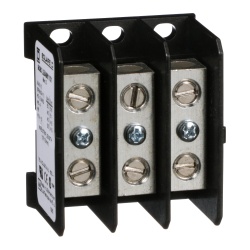
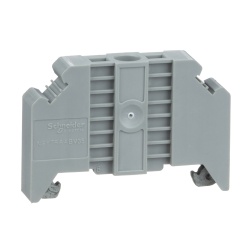
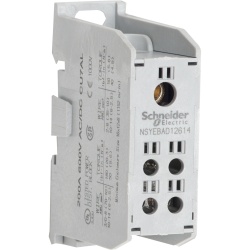
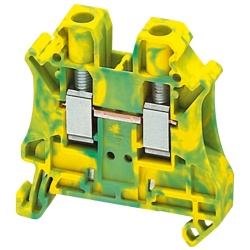
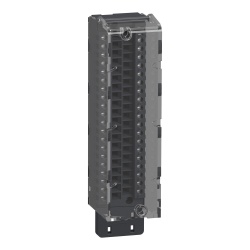
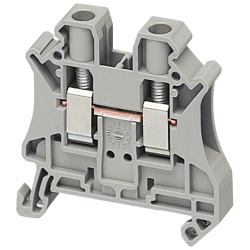
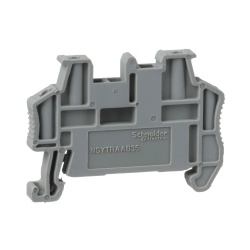
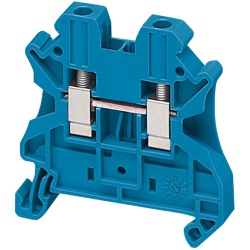
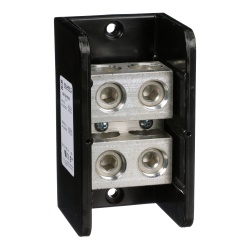
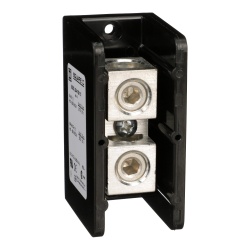
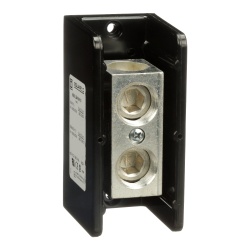
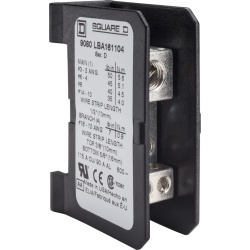
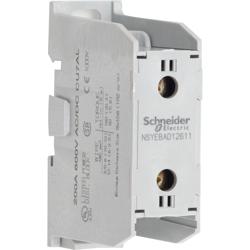
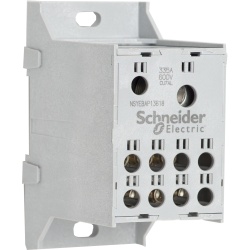
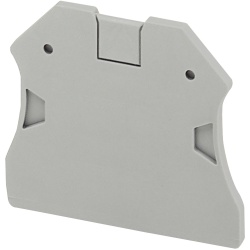


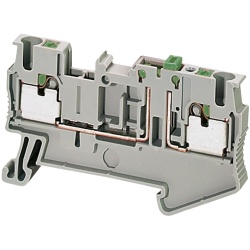


More Information about Schneider Electric Terminal Blocks
Not only do the terminal blocks operate effectively, but they also work efficiently in projects requiring a multitude of wiring arrangements and several electrical poles. Schneider Electric backs them—offering not just familiar and trusted brand names (Square D and Schneider Electric) and the promise of dependable performance, but also something rarer nowadays in electrical components: built-in problem-solving capability and overall simplicity in design. You can get numerous configurations of these things, or you could design your own and get the components built to your specifications. They tend to be stocked across a wide number of electrical distributors and also appear in several industrial catalogs.
FAQs
What are Schneider Electric terminal blocks used for?
Schneider Electric terminal blocks are used to securely connect, organize, and distribute electrical wires within control panels, automation systems, and power distribution applications.
What are the features of Schneider Electric terminal blocks?
Schneider Electric terminal blocks feature durable construction, multiple connection types like screw and push-in, DIN rail compatibility, wide wire capacity, and modular accessories that enhance safety, organization, and installation efficiency.
What accessories are available to add to Schneider Electric terminal blocks?
Accessories available for Schneider Electric terminal blocks include end covers, jumpers, partition plates, marking tags, and protective shields that enhance safety, organization, and customization in electrical panel installations.
Does the mechanical function of spring technology in Schneider Electric terminal blocks allow for both wire and cable?
Yes, the mechanical spring technology in Schneider Electric terminal blocks is designed to securely accommodate both wire and cable, ensuring strong, vibration-resistant connections with consistent contact pressure.
Are Schneider Electric terminal blocks RoHS compliant?
Yes, Schneider Electric terminal blocks are RoHS compliant, meaning they are manufactured without restricted hazardous substances and meet international environmental safety standards.
Why Buy Schneider Electric Terminal Blocks from RSP Supply
RSP Supply offers a comprehensive selection of Schneider Electric terminal blocks and accessories designed for secure, efficient, and reliable electrical connectivity. Our products support modern control panel design and long-term system performance across industrial applications. Customers rely on RSP Supply for technical expertise, consistent product availability, and trusted electrical connectivity solutions.