
Phoenix Contact Terminal Blocks
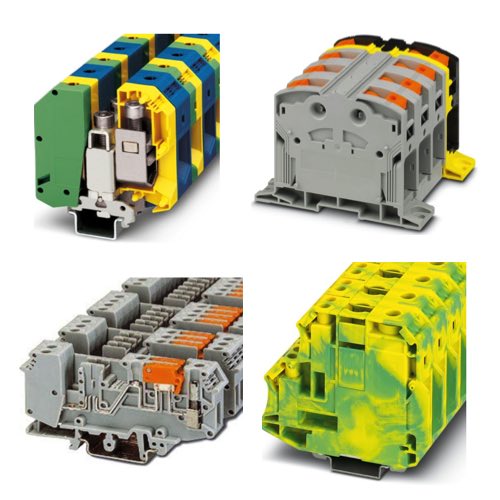
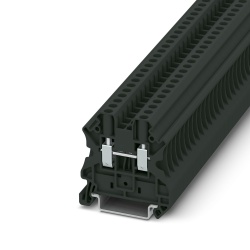
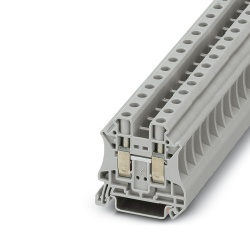
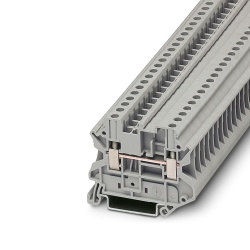
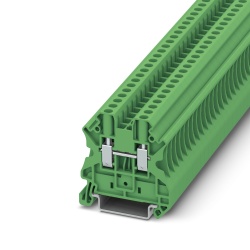
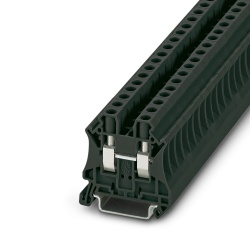
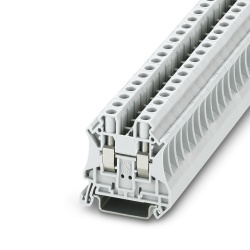
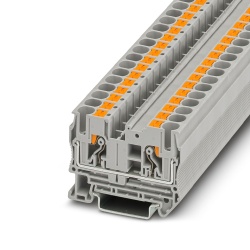
Phoenix Contact terminal blocks are designed to deliver safe, reliable, and efficient electrical connections for industrial and automation systems. Engineered for DIN rail mounting, these Phoenix Contact terminal blocks simplify wiring, reduce installation time, and provide secure termination points for conductors in demanding operating environments. Often referred to in the field as phoenix blocks, these components are widely used in control panels, power distribution systems, and industrial machinery where dependable connectivity is required.
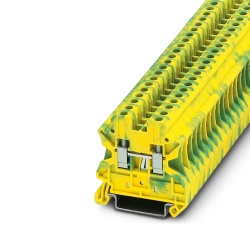
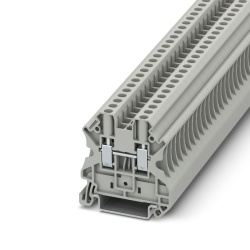
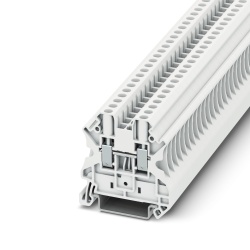
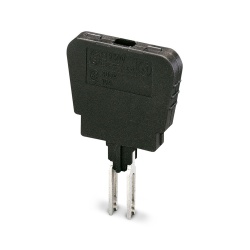
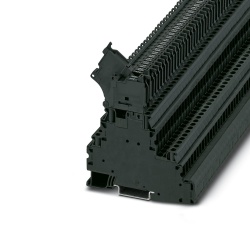
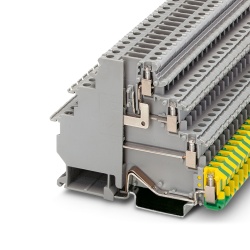
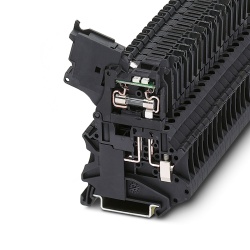
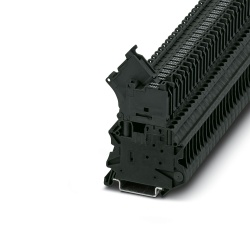
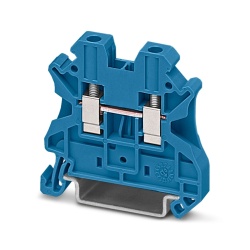
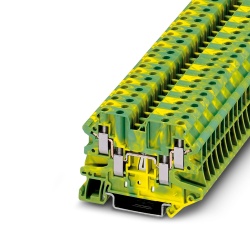
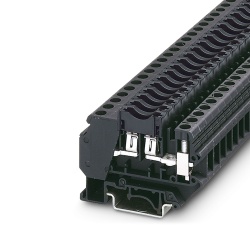
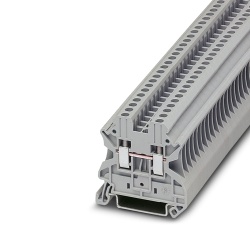
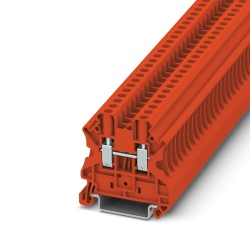
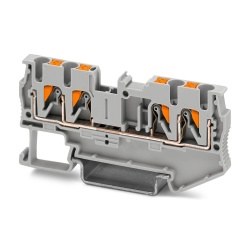
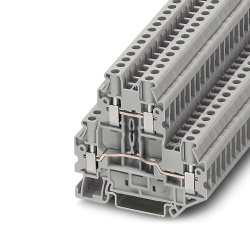
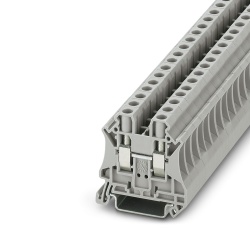
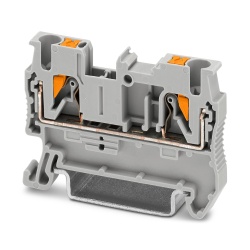
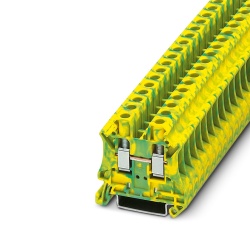
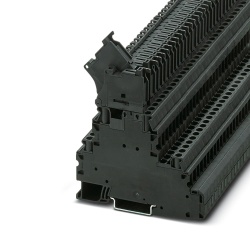
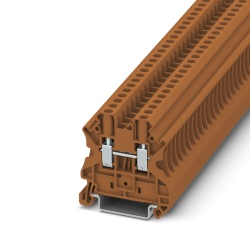
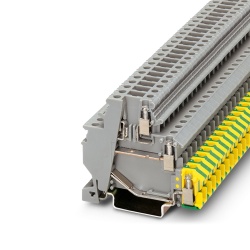
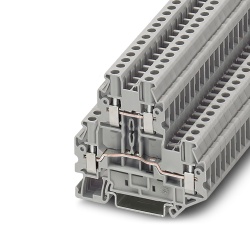
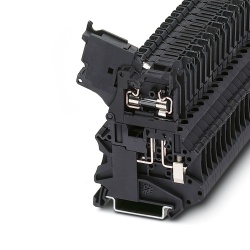
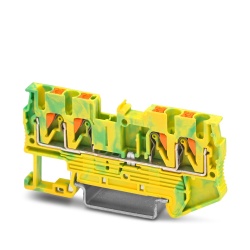
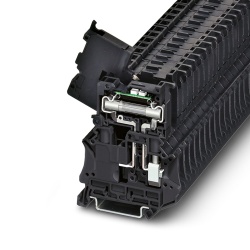
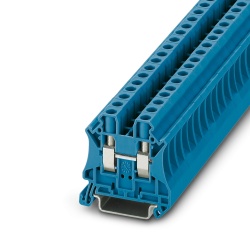
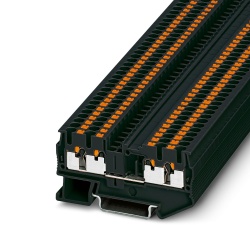
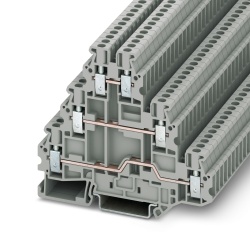
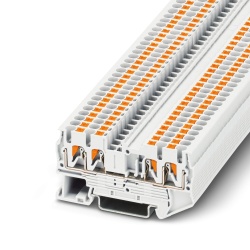
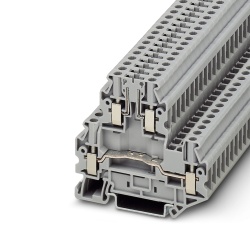
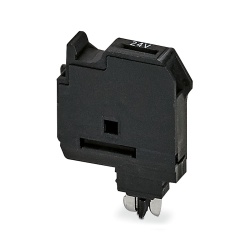
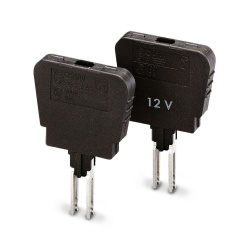
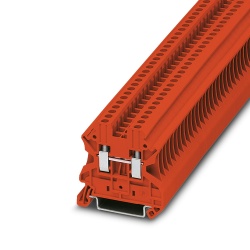
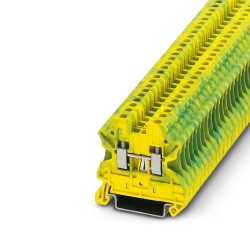
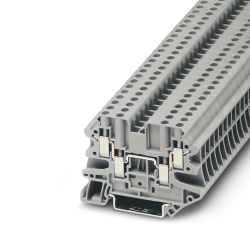
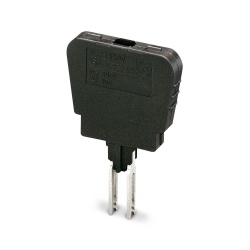
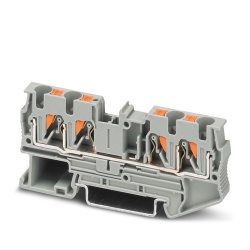
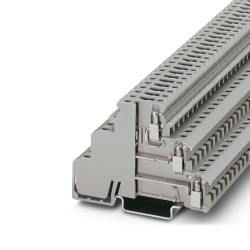
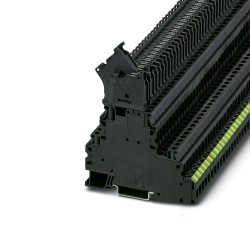
Each Phoenix Contact terminal block is built and tested to meet rigorous industrial standards, ensuring consistent performance under high voltage and current conditions. The product range includes feed-through, ground, fuse, and double level terminal block designs that maximize wiring density while maintaining clear, organized layouts. Advanced connection technologies such as screw, spring-cage, and push-in terminations support long-term reliability, vibration resistance, and efficient maintenance. Their modular construction allows systems to be expanded or modified without compromising safety or electrical integrity.
FAQs
Q: What types of connection technology and conductor types do Phoenix Contact terminal blocks use?
Phoenix Contact terminal blocks use screw, spring-cage, push-in, and plug-in connection technologies to accommodate solid, stranded, and ferruled conductors across a wide range of industrial applications.
Q: What is a double level terminal block, and when is it used?
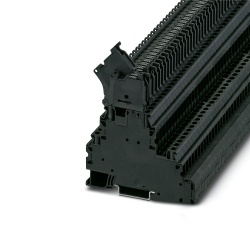
A double level terminal block provides two independent connection levels within a single terminal block housing. This design increases wiring density and is commonly used in control panels where space savings and organized conductor routing are critical.
Q: Are Phoenix Contact terminal blocks suitable for DIN rail mounting?
Yes, Phoenix Contact terminal blocks are designed for standard DIN rail mounting, allowing secure installation, modular layouts, and efficient panel organization in industrial enclosures.
Q: Is there a testing option for Phoenix Contact terminal blocks?
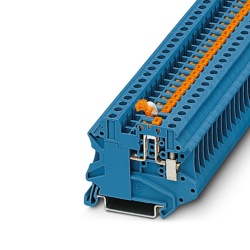
Many Phoenix Contact terminal blocks include integrated test points or testing accessories that allow quick and safe circuit verification during installation, commissioning, and maintenance.
Q: What accessories are available for Phoenix Contact terminal blocks?
Phoenix Contact terminal blocks support a wide range of accessories, including end covers, jumpers, marking tags, test adapters, and bridging connectors to improve wiring efficiency, identification, and troubleshooting.
Why Buy Phoenix Contact Terminal Blocks from RSP Supply
RSP Supply offers a complete selection of Phoenix Contact terminal blocks to support industrial control, automation, and power distribution applications. Customers rely on RSP Supply for access to trusted phoenix blocks, consistent product availability, and knowledgeable technical support. Our Phoenix Contact terminal block offerings help engineers and technicians build organized, maintainable systems with reliable electrical connections designed for long-term performance.