

All Industrial Sensors
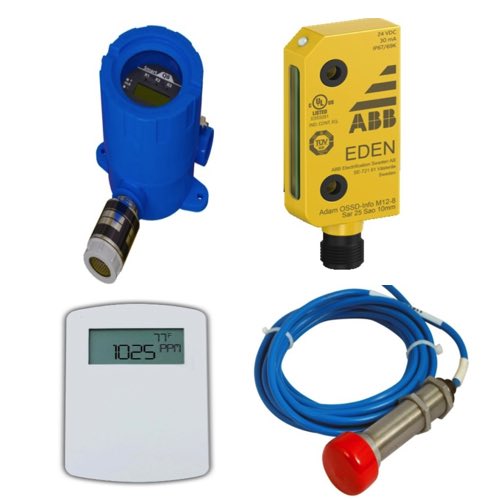
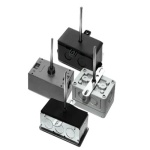
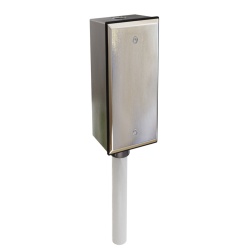
Industrial sensors are essential components in modern automation, manufacturing, and process control systems, providing accurate detection and measurement of physical variables such as temperature, pressure, flow, position, speed, and vibration. These devices convert real-world conditions into electrical signals that can be processed by PLCs, controllers, and monitoring systems, enabling precise control, consistent quality, and safe operation.
Designed for reliability in harsh environments, industrial sensors feature rugged housings, reinforced enclosures, advanced sealing, and corrosion-resistant materials. They are built to withstand vibration, dust, moisture, chemicals, and wide temperature extremes commonly found in industrial facilities. Consistent accuracy and repeatability allow sensors to support uptime, reduce unplanned downtime, and improve overall process efficiency.
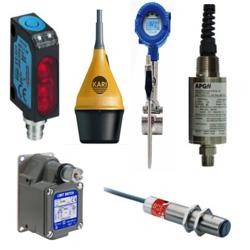
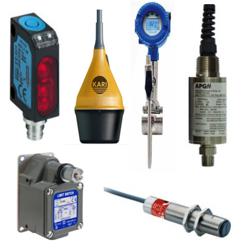
The industrial sensor category includes a wide range of technologies and form factors, such as pressure and temperature sensors, motion and position sensors, proximity and speed sensors, flow meters, vibration sensors, and vision systems. These devices utilize inductive, capacitive, optical, ultrasonic, thermal, strain gauge, and other sensing principles to match specific application requirements across manufacturing, utilities, energy, food and beverage, and process industries.
 ABB Industrial Sensors
 ACI Industrial Sensors
 Dwyer Industrial Sensors
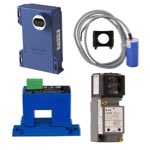 Eaton Industrial Sensors
 Ericson Industrial Sensors
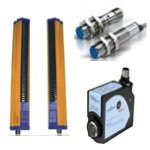 IDEC Industrial Sensors
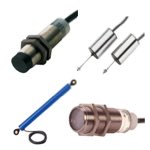 Omega Industrial Sensors
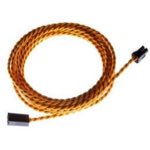 Panduit Industrial Sensors
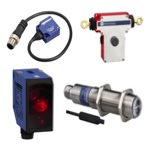 Telemecanique Industrial Sensors





FAQs
How do I choose the right industrial sensor for my application?
Choosing the right industrial sensor depends on the variable being measured, operating environment, required accuracy, response time, and system compatibility. Factors such as temperature range, pressure limits, exposure to moisture or chemicals, mounting requirements, and available output signals all play a role. Proper sensor selection ensures reliable measurement, reduced downtime, and optimal system performance.
What environmental conditions can affect industrial sensor performance?
Industrial sensor performance can be affected by temperature extremes, vibration, electrical noise, moisture, dust, corrosive chemicals, and mechanical shock. Sensors designed for harsh environments typically feature rugged housings, environmental sealing, and enhanced shielding. Selecting a sensor rated for the application environment helps ensure long-term reliability and accurate measurements.
How long do industrial sensors typically last?
The lifespan of an industrial sensor varies based on sensor type, operating conditions, and maintenance practices. Many sensors last several years in normal service, while those exposed to harsh conditions or continuous operation may require more frequent replacement. Regular inspection, proper installation, and routine calibration help extend sensor lifespan.
What output signals do industrial sensors use?
Industrial sensors commonly use standardized output signals such as 4–20 mA, 0–10 V, discrete digital outputs, or industrial communication protocols. These outputs allow reliable signal transmission and easy integration with PLCs, controllers, and monitoring systems. Selecting the correct output ensures compatibility with existing control infrastructure.
Are industrial sensors compatible with automation and Industry 4.0 systems?
Yes, many industrial sensors are designed to integrate with modern automation and Industry 4.0 systems. They support digital communication, real-time data acquisition, and advanced diagnostics for predictive maintenance and process optimization. Using compatible sensors helps facilities improve efficiency, reduce downtime, and enhance data-driven decision-making.
Why Buy Industrial Sensors from RSP Supply
RSP Supply offers a wide selection of industrial sensors designed for reliable measurement and long-term performance in demanding automation environments. Customers rely on RSP Supply for access to trusted sensor technologies, clear product selection, and solutions that integrate seamlessly into control and monitoring systems.