
Telemecanique Industrial Sensors
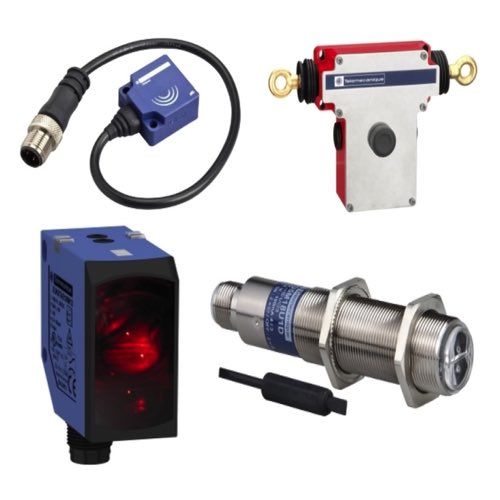
Industrial sensors from Telemecanique offer reliable non-contact or contact-type detection in automation, manufacturing, and machine-control applications. Telemecanique sensors are widely specified and provide precise, repeatable switching or measurement in demanding conditions, simplifying machine design and process monitoring tasks. With decades of experience and an 85-year brand heritage, Telemecanique industrial sensors are trusted by machine builders, OEMs, and end users world-wide as first choice devices for sensing, position feedback, process control, and automated safety interlock circuits.
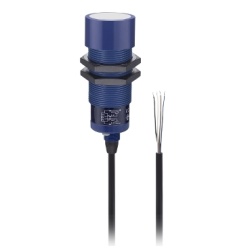
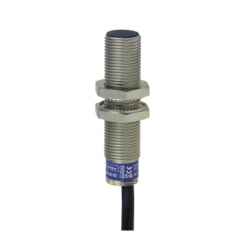
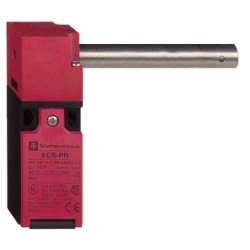
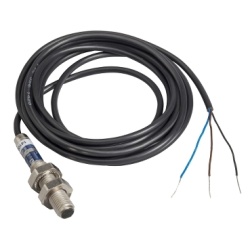
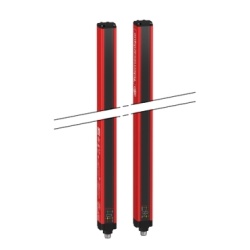
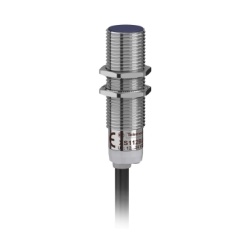
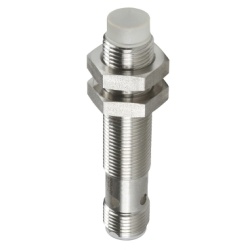
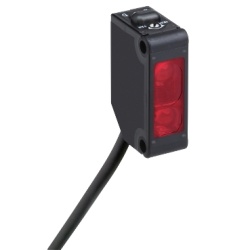
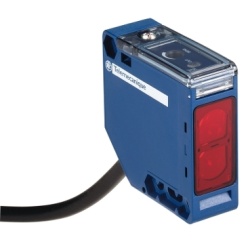
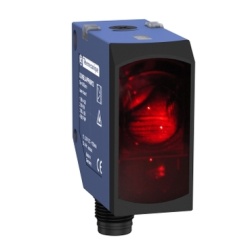
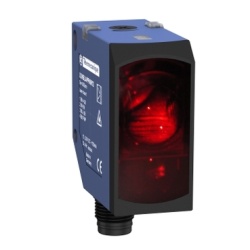
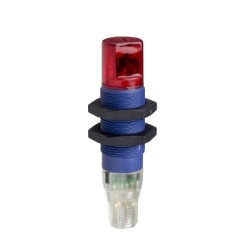
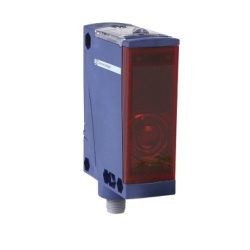
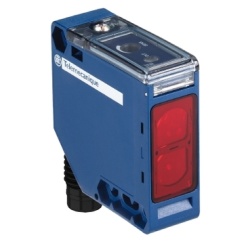
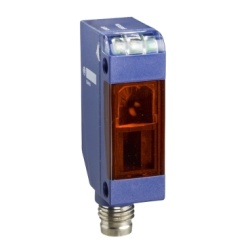
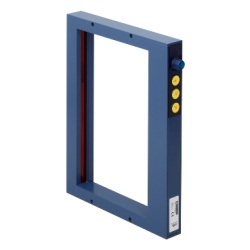
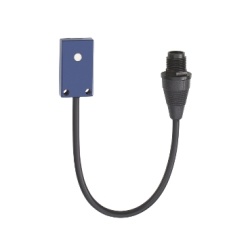
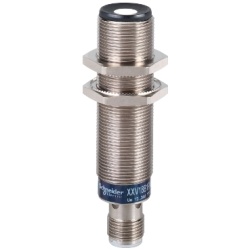
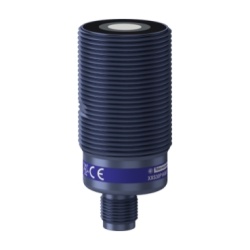
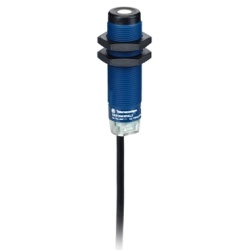
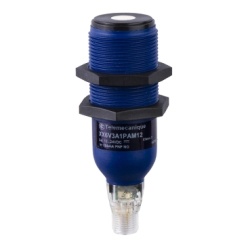
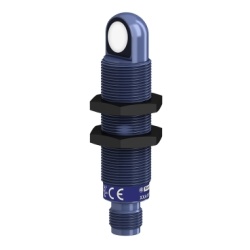
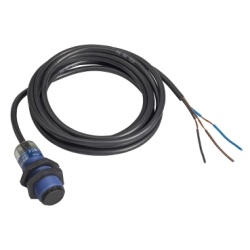
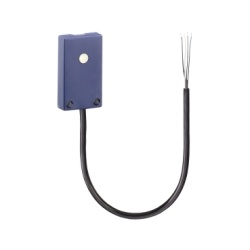
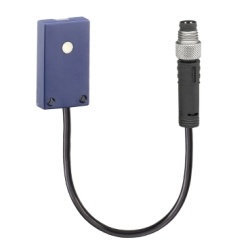
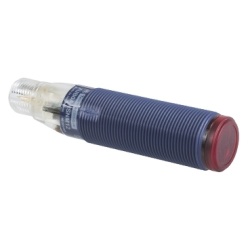
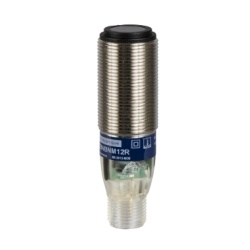
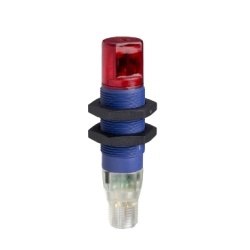
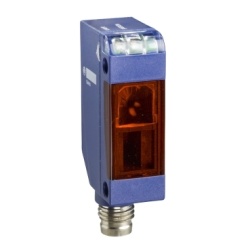
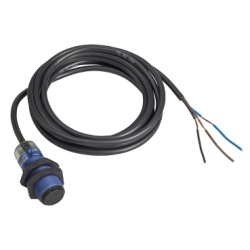
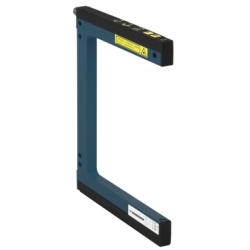
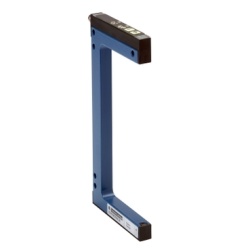
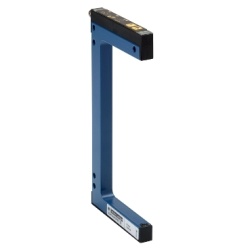
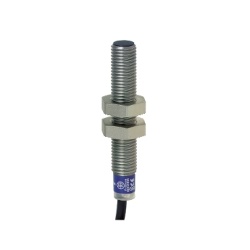
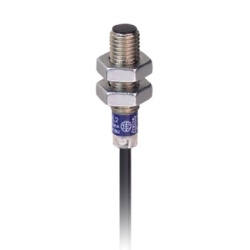
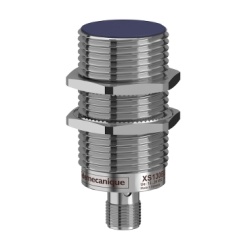
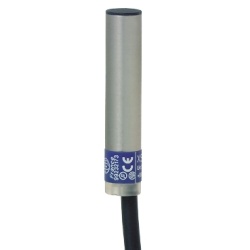
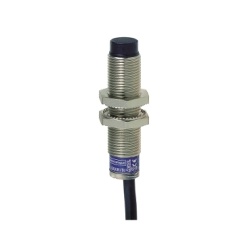
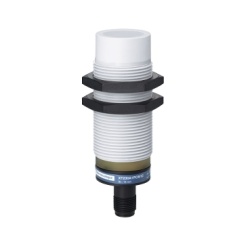
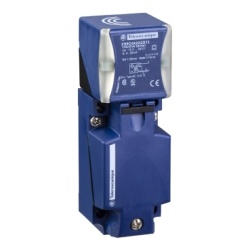
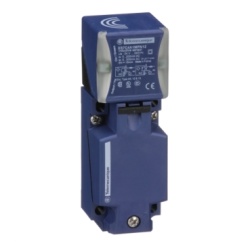
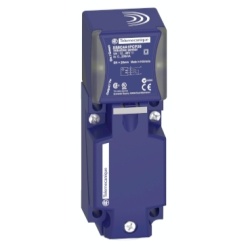
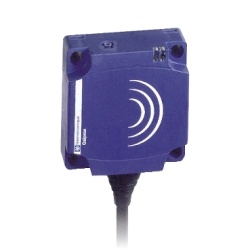
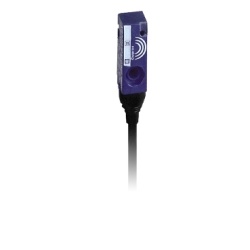
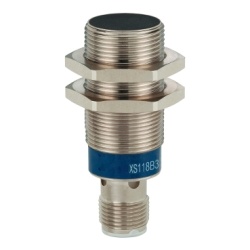
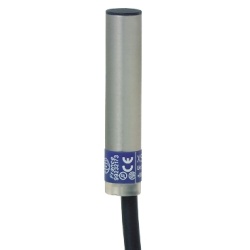
The Telemecanique industrial sensor range includes: inductive proximity sensors, capacitive proximity sensors, ultrasonic distance sensors, photoelectric sensors (photoelectric proximity, background suppression, retroreflective, or through-beam sensors), limit switches, and more. Their quality of construction, broad temperature range, and resistance to vibration allow Telemecanique sensors to work reliably on production lines, conveyors, packaging equipment, robots, metalworking machinery, printing equipment, and food-and-beverage processes, as well as in pump stations and water, energy, and power generation utilities.
Telemecanique sensors are designed to be fast and easy to install. Compact and durable housings are available in a wide range of sizes, enclosures, and mounting formats. Most models offer multiple output wiring options and built-in function indicators. Sensor teach modes and adjustable sensing ranges simplify commissioning. Telemecanique manufacturing emphasizes stability, immunity to noise, rejection of false targets, and repeatability to ensure reliable operation in proximity to metal, plastic, liquid, paper, granulate, and irregular shapes.


FAQs
What are Telemecanique industrial sensors used for?
Telemecanique industrial sensors are used to detect, measure, and monitor process and machine variables such as position, pressure, temperature, and proximity in industrial automation systems. They provide reliable real-time feedback to PLCs and control systems to support machine control, operational safety, and efficient production in manufacturing and automated environments.
What types of industrial sensors does Telemecanique offer?
Telemecanique offers a range of industrial sensors including pressure sensors, temperature sensors, proximity sensors, limit switches, photoelectric sensors, and safety sensors. These sensors are designed for compatibility with industrial automation equipment and are available in various configurations to suit different machine and process requirements.
How reliable are Telemecanique industrial sensors in factory environments?
Telemecanique industrial sensors are engineered for durability and reliable performance in factory and industrial settings. They are built to withstand vibration, mechanical stress, electrical noise, and continuous operation. Proper sensor selection, installation, and alignment help ensure long service life and consistent sensing performance.
How do Telemecanique industrial sensors integrate with automation systems?
Telemecanique industrial sensors integrate seamlessly with industrial automation platforms using standardized outputs such as discrete signals, 4–20 mA, 0–10 V, and automation-compatible communication interfaces. These outputs enable easy connection to PLCs, HMIs, and safety controllers for real-time monitoring and control.
Do Telemecanique industrial sensors require calibration and maintenance?
Yes, Telemecanique industrial sensors should be periodically inspected and maintained to ensure reliable operation and accurate detection. Maintenance requirements vary by sensor type, but routine checks help identify alignment issues, wear, or environmental effects early. Regular maintenance supports long-term reliability, safety, and consistent system performance.
Why Buy Telemecanique Industrial Sensors from RSP Supply
RSP Supply offers Telemecanique industrial sensors engineered for dependable detection and long-term performance in automation environments. Our selection supports reliable machine control and process efficiency across a wide range of industrial applications.