

ABB Industrial Sensors
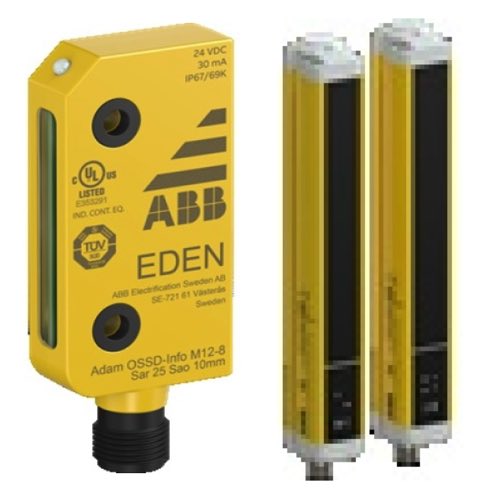
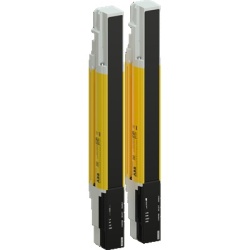
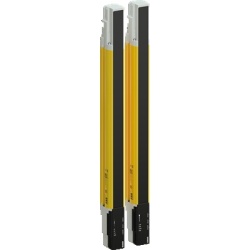
ABB industrial sensors are reliable, proven devices for measurement and monitoring of critical physical process variables in thousands of applications. These sensors cover a wide range of instrument types and sensing technologies including pressure, temperature, level, flow, position, and more. Designed for rugged use and consistent long-term accuracy, ABB sensors are trusted in water treatment, food and beverage, utility, power generation, mining, oil and gas, and manufacturing industries worldwide.
Sensors are manufactured to high specification and feature corrosion-resistant materials, advanced electronics, digital communication, low power options and robust enclosures with full instrument certifications. ABB sensors integrate safely into automation systems, supporting plant efficiency and predictive maintenance goals. With decades of expertise and a reputation for consistent quality, ABB sensors provide a secure solution for automation, control, and safety applications.




FAQs
What applications benefit most from ABB industrial sensors?
ABB industrial sensors are used extensively in manufacturing, process automation, power distribution, robotics, and energy systems where accurate measurement and reliable detection are crucial. Their robust construction and stable electronics allow them to function in harsh environments involving heat, vibration, chemicals, or electrical noise. Because ABB sensors provide precise feedback, they help optimize production, improve safety, support predictive maintenance, and ensure consistent equipment performance.
How do ABB industrial sensors integrate with PLCs and monitoring systems?
ABB sensors are designed to integrate seamlessly with modern PLCs, SCADA systems, industrial networks, and digital automation platforms. They offer multiple electrical outputs and communication options that make pairing with ABB or third-party controllers straightforward. This compatibility ensures accurate data transmission for real-time monitoring, closed-loop control, safety interlocks, and advanced diagnostics across multiple automation layers.
Are ABB industrial sensors reliable in harsh operating environments?
Yes, ABB sensors are engineered to withstand demanding industrial conditions such as extreme temperatures, heavy vibration, mechanical stress, and exposure to contaminants. Their housings, materials, and internal circuitry are built to minimize drift and false readings, ensuring accurate long-term operation. This durability reduces maintenance frequency, improves uptime, and enhances system reliability in mission-critical applications.
What sensing technologies does ABB offer for industrial automation?
ABB offers a wide range of sensing technologies, including inductive, capacitive, optical, ultrasonic, pressure, temperature, and flow sensors. This breadth allows ABB to support varied automation requirements from simple object detection to advanced process measurement. Their sensor technologies are optimized for high accuracy, fast response, and strong immunity to electrical interference.
Why do engineers choose ABB industrial sensors over other brands?
Engineers choose ABB sensors for their proven precision, global availability, long product lifecycle, and advanced integration features. ABB’s long history in industrial automation ensures strong engineering support and consistent quality across product families. Their sensors help facilities reduce downtime, maintain safety compliance, and achieve high levels of operational efficiency.
Why Buy ABB Industrial Sensors from RSP Supply
RSP Supply offers a dependable range of ABB industrial sensors designed for accurate measurement and long-term reliability in demanding process and automation applications. Customers rely on RSP Supply for access to certified ABB sensing technologies that integrate seamlessly into control systems and support efficient, safe plant operation.