

Dwyer Industrial Sensors
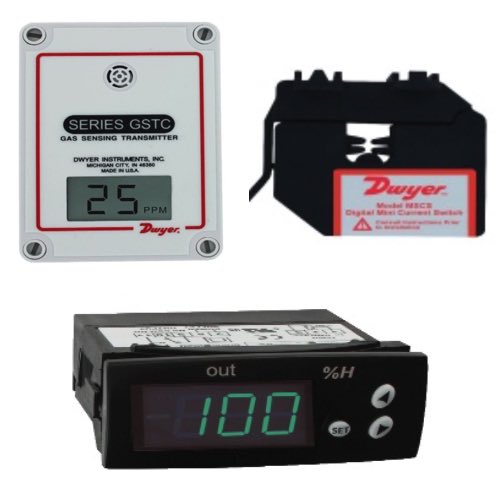
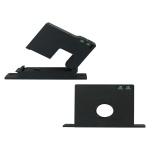
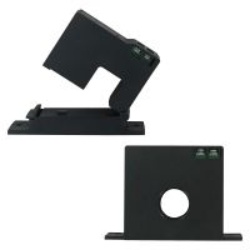
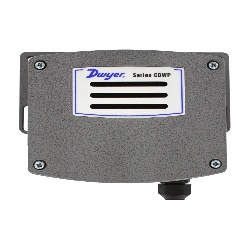
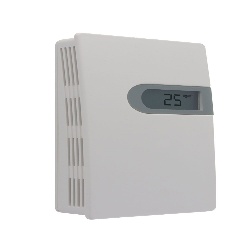
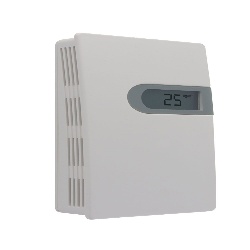
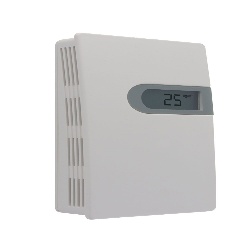
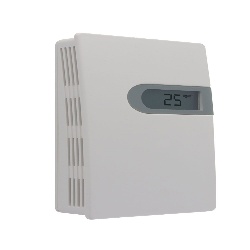
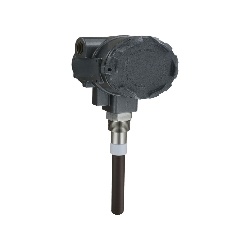
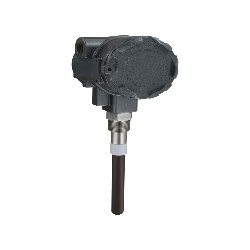
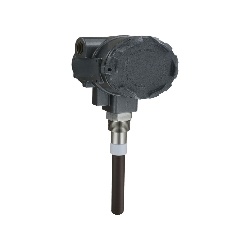
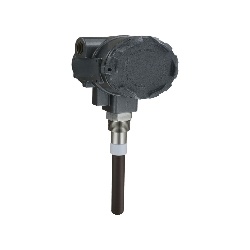
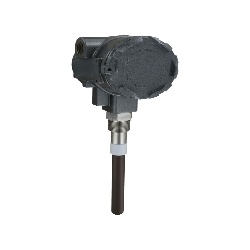
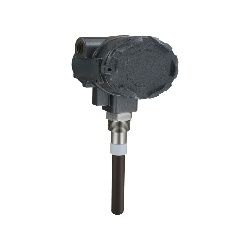
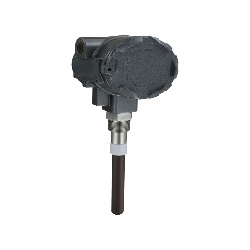
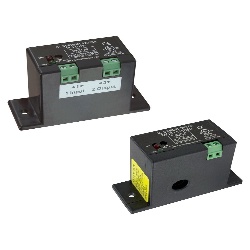
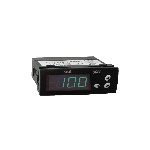
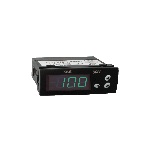
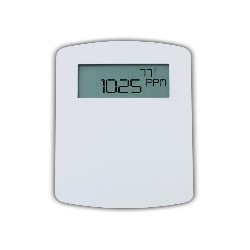
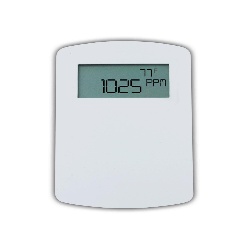
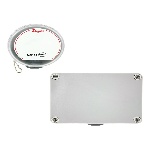
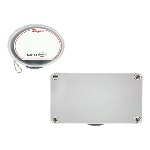
Dwyer industrial sensors are available for measuring pressure, differential pressure, temperature, humidity, flow, air velocity, CO2 concentration, and liquid level in HVAC, process automation, manufacturing, and environmental monitoring systems.
Dwyer industrial sensors provide reliable measurement of pressure, temperature, humidity, flow, air quality, level, and other conditions across a wide range of industrial processes. Known for their accuracy and consistent performance in HVAC, process automation, manufacturing, and environmental systems, these sensors withstand harsh environments and deliver repeatable readings that operators can depend on.
Dwyer designs housings, sensing elements, and internal electronics for rugged operation, even in dusty, humid, or high-vibration areas. Their engineering expertise in robust sensor platforms means products remain stable under heavy, continuous use, making Dwyer instrumentation a trusted choice for utility plants, refineries, cleanrooms, and commercial buildings where reliability reduces downtime.
Many Dwyer sensors output analog signals or digital communication protocols, including 4–20 mA, 0–10 V, BACnet, and Modbus, simplifying integration with controllers, BAS systems, and SCADA platforms. Field-selectable ranges and flexible sensor options make them compatible with a wide range of process requirements.




FAQs
Q: What are Dwyer industrial sensors used for?
Dwyer industrial sensors are used to measure variables such as pressure, differential pressure, flow, level, temperature, humidity, and air velocity in industrial, commercial, and HVAC applications to support process control, efficiency, and equipment protection.
Q: What types of industrial sensors does Dwyer offer?
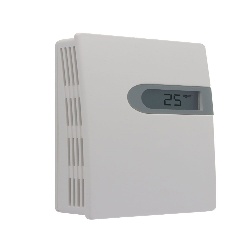
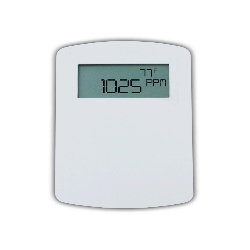
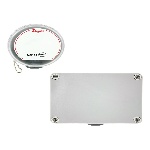
Dwyer offers pressure and differential pressure sensors, airflow and air velocity sensors, temperature sensors, humidity sensors, CO2 and air quality sensors, and liquid level measurement devices for a wide range of monitoring needs.
Q: How reliable are Dwyer industrial sensors in demanding environments?
Dwyer sensors are designed for dependable operation in challenging environments, with rugged housings and stable sensing elements that withstand temperature changes, vibration, and long-term continuous use.
Q: How do Dwyer industrial sensors integrate with control systems?
These sensors integrate easily with PLCs, BAS, and SCADA platforms using standard outputs such as 4–20 mA, 0–10 V, BACnet, and Modbus digital communication protocols.
Q: Do Dwyer industrial sensors require calibration and maintenance?
Yes. Periodic calibration and routine inspection are recommended to maintain measurement accuracy and long-term reliability, with intervals depending on application and operating conditions.
Why Buy Dwyer Industrial Sensors from RSP Supply
RSP Supply offers a comprehensive selection of Dwyer industrial sensors trusted for process and HVAC measurement applications. Our catalog includes clearly specified sensor solutions designed for accurate monitoring and reliable integration into control systems. Customers rely on RSP Supply for dependable manufacturers, detailed technical information, and industrial-grade measurement components.