

ACI Industrial Sensors
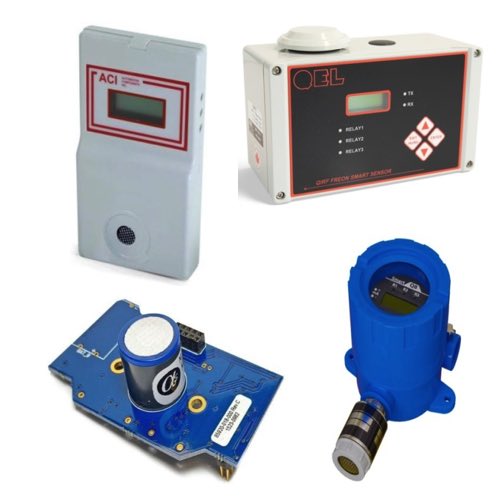
ACI is a leading manufacturer of high-quality industrial sensors for HVAC, building automation and plant and environmental monitoring applications. Their broad product portfolio includes standards-compliant and innovative temperature, humidity, pressure, current, air quality/CO2, wireless and specialty sensors designed for accurate, dependable measurement and control in sensor-intensive systems. ACI is committed to manufacturing excellence, calibration quality and the rugged, long-term stability of every product manufactured.
ACI highlights the long-term stability, accuracy and calibration integrity of each of its key sensor technology lines. ACI describes the multiple mechanical and electronic design details built into each sensor to result in superior lifetime signal quality, minimal sensor drift and resistance to harsh installation conditions. ACI sensors are designed for long life and known to be well-built, robust products that hold their calibration.
ACI sensors are engineered for ease of integration in BMS, DDC, building/industrial automation and facility/process monitoring systems. Sensors support BACnet, Modbus, analog voltage or resistance (RTD/thermistor), dry contact relay, digital I/O and digital/analog current outputs to interface directly with system controllers.
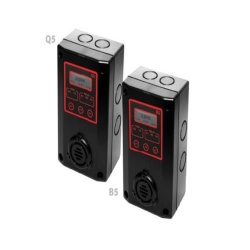
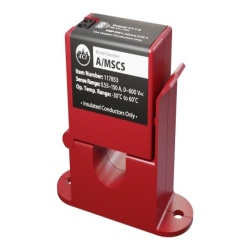
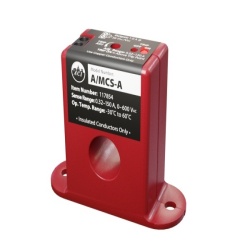
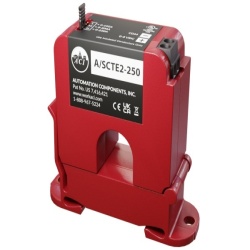
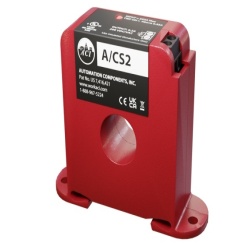
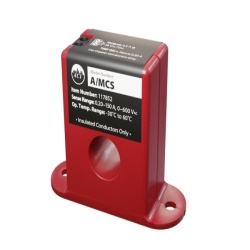
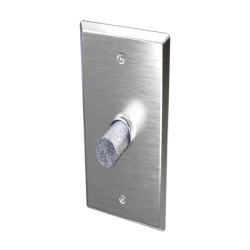
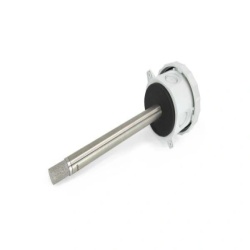
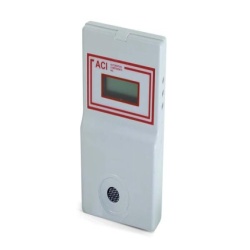
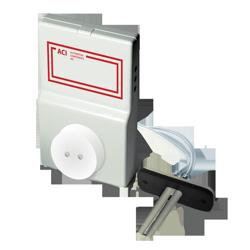
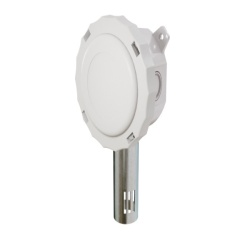
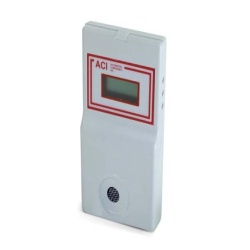
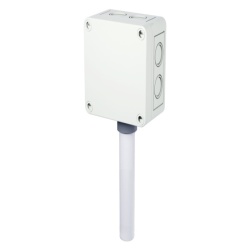
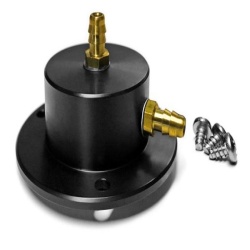
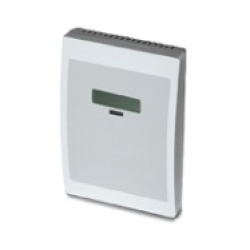
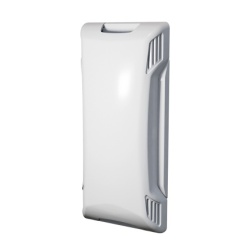
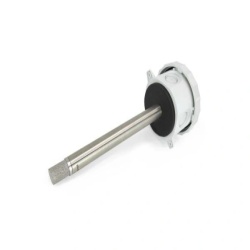
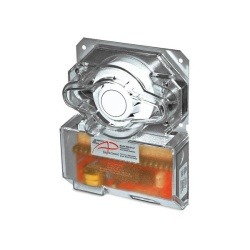
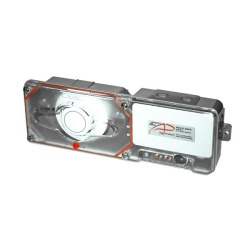
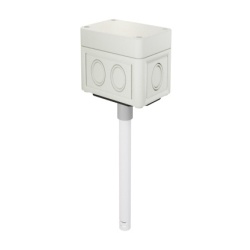
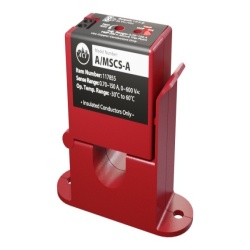
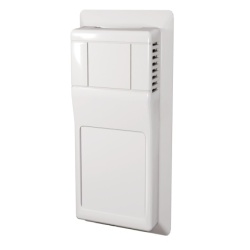
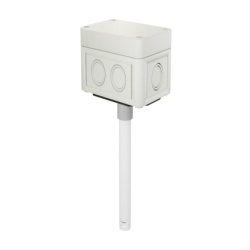
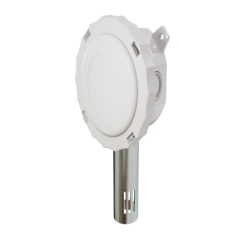
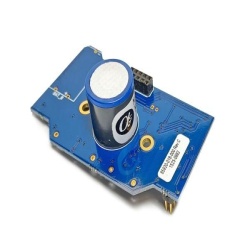
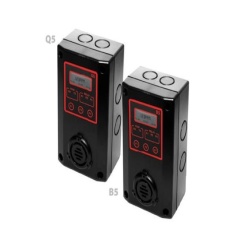
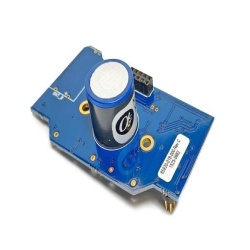
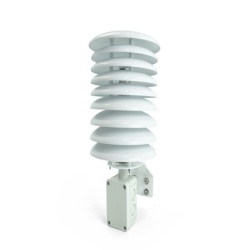
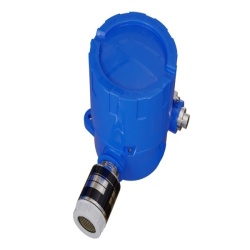
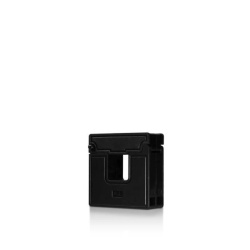
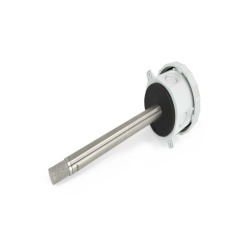
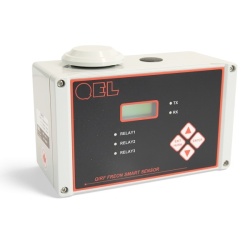
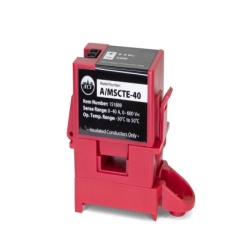

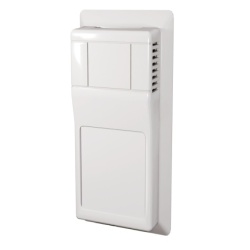
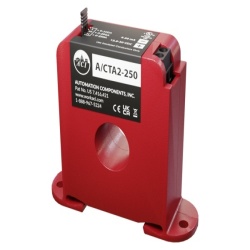
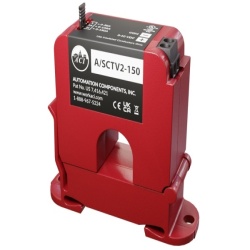
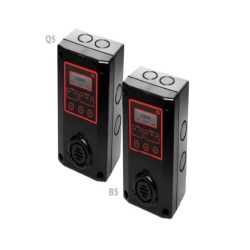

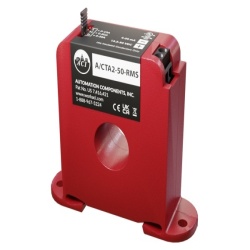
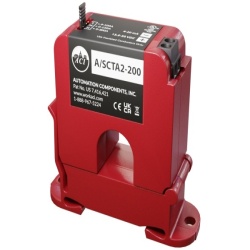
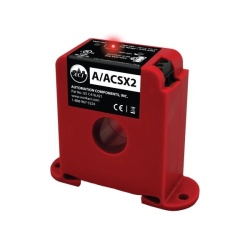
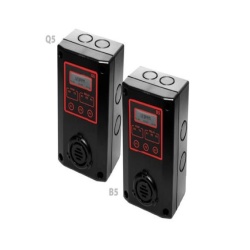
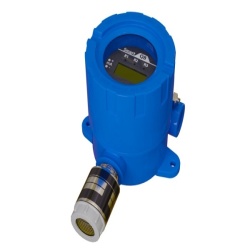
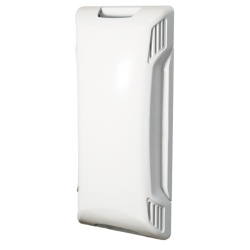
More Information about ACI Industrial Sensors
ACI offers a wide range of sensor element types, mechanical form factors, wiring terminations, mounting accessories and enclosures for ease of application in retrofit or new construction. ACI provides exceptional installer and integration support, product documentation and product modifications to solve special sensing applications. ACI’s industrial sensor lines have long been known for accuracy, reliability and flexibility. ACI’s sensors have been and continue to be trusted by HVAC, Facilities Management and Industrial Automation professionals.
FAQs
What types of HVAC and building control applications use ACI industrial sensors?
ACI sensors are widely used in HVAC control, air handling units, building automation systems, hydronic systems, and environmental monitoring because they provide accurate measurement of temperature, humidity, pressure, CO2, current, and other critical building variables.
Why are ACI sensors known for long-term reliability in building automation?
ACI builds its sensors with high-quality components, strong signal stability, and robust housings that resist moisture, vibration, and electrical interference. This ensures long-lasting accuracy and reduces maintenance costs across the lifespan of building systems.
How do ACI sensors support energy efficiency in commercial buildings?
ACI sensors deliver precise data to BAS controllers, enabling optimal equipment cycling, demand-control ventilation, and real-time load verification. By preventing over-operation of HVAC components, they help lower utility costs and improve system efficiency.
Are ACI sensors easy to install for contractors and technicians?
Most ACI sensors come in installer-friendly formats with clear wiring diagrams, flexible mounting options, and compact housings. Their straightforward design reduces installation time and makes them ideal for large-scale commercial projects.
What sets ACI apart from other HVAC and BAS sensor manufacturers?
ACI focuses on specialized building automation solutions, offering extensive customization, fast lead times, and high sensor reliability. Their customer support and industry expertise make them a preferred choice among contractors and BAS integrators.
Why Buy ACI Industrial Sensors from RSP Supply
RSP Supply provides a comprehensive selection of ACI industrial sensors backed by expert support, fast shipping, and competitive pricing. Our team helps you find the right sensor solution for HVAC, automation, and environmental monitoring applications to ensure accuracy, reliability, and system performance.