

Eaton Industrial Sensors
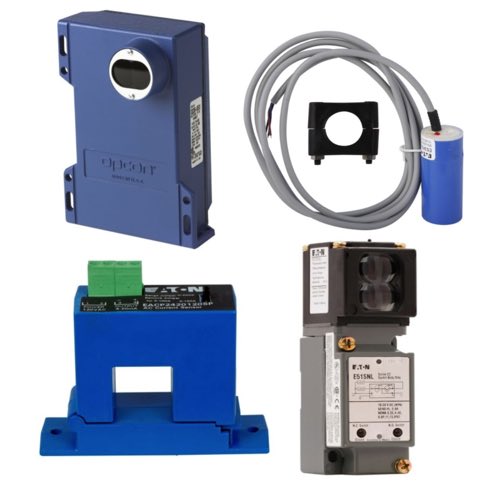
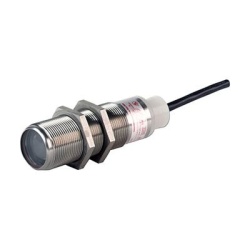
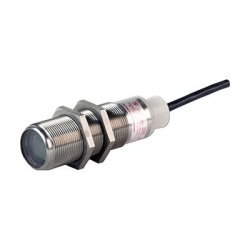
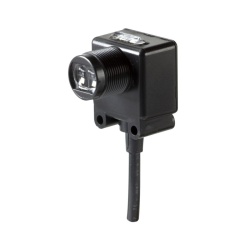
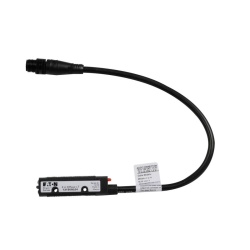
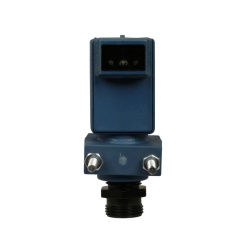
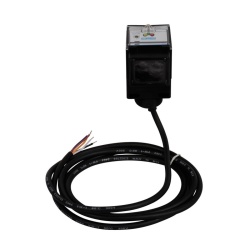
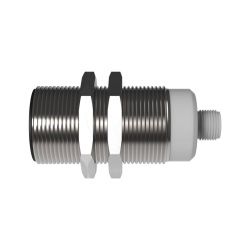
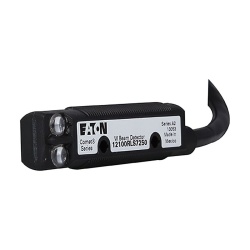
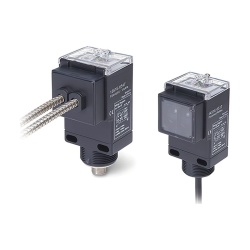
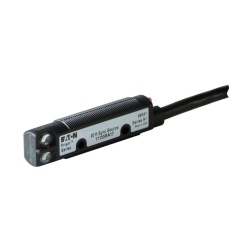
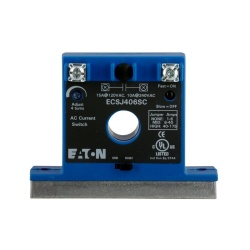
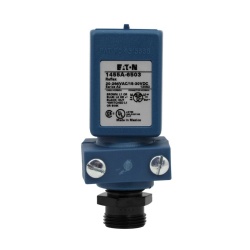
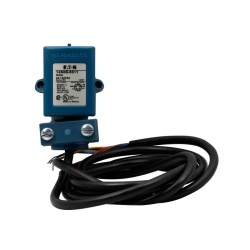
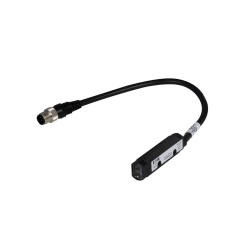
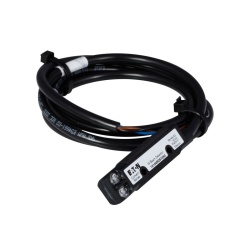
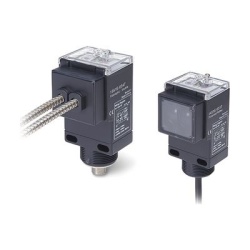
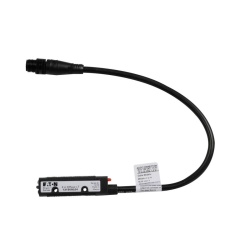
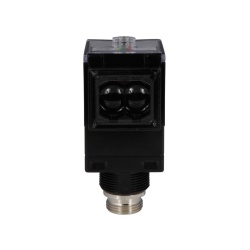
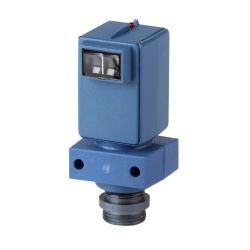
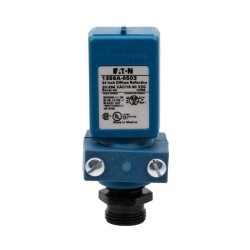
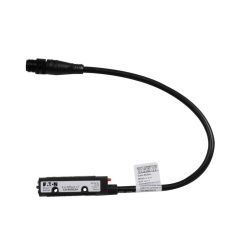
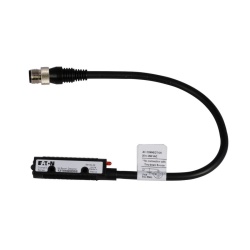
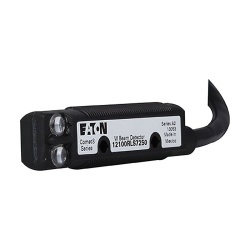
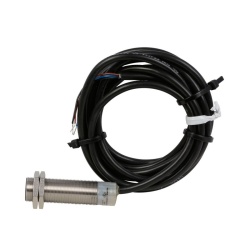
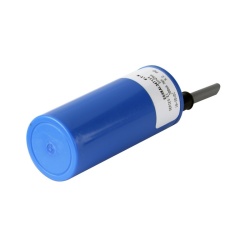
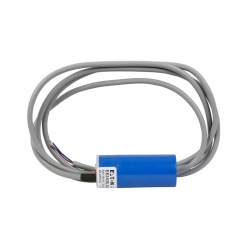
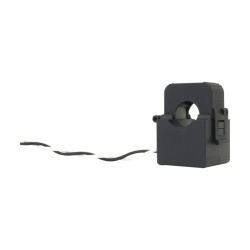
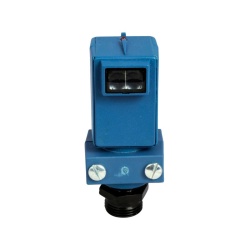
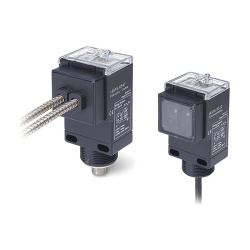
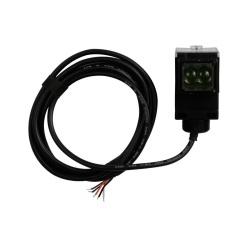
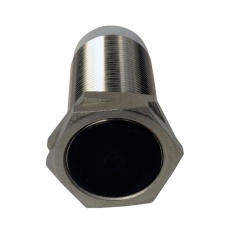
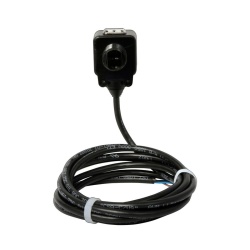
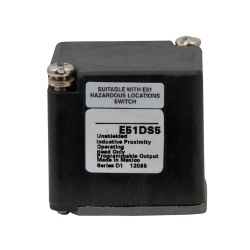
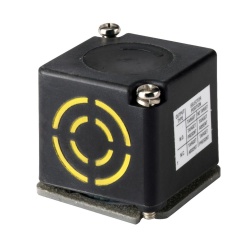
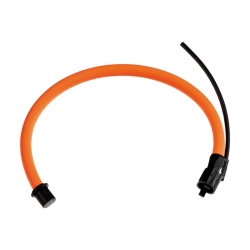
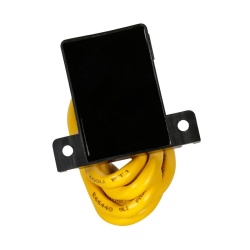
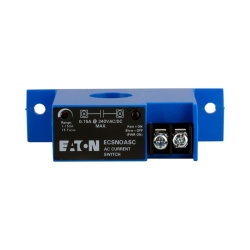
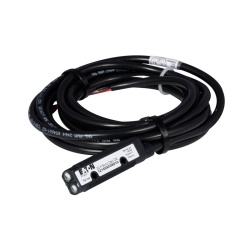
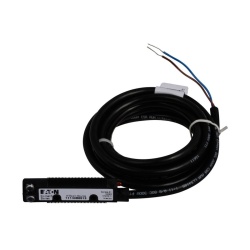
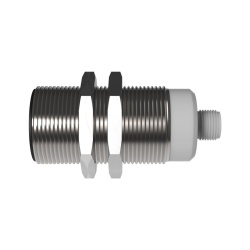
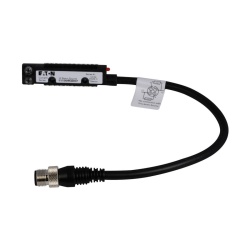
Eaton Industrial Sensors are highly reliable devices designed for industrial measurement, detection, and positioning applications. They use rugged mechanical components and stable electrical contacts to minimize downtime in everything from machine control to material handling and process automation. Eaton manufactures a comprehensive family of sensing technologies including inductive, capacitive, photoelectric, ultrasonic, and limit switches. They have compact footprint designs that make integration easy in space-constrained cabinets or machinery. Most models are available with a wide range of supply voltages, output configurations, and mounting options. Sensitivity, repeat accuracy, and switching response time are all optimized for consistent performance in harsh environments.
Eaton sensors have strong housings, environmental sealing, and wide operating temperature tolerance for use in demanding conditions. Their metal and polymer housings offer excellent durability, chemical resistance, and EMC immunity against electrical interference. Dust-tight and waterproof IP67 protection ratings on most products ensure reliable operation when exposed to oils, detergents, water, or cleaning solutions. Applications include conveyor control, material level and flow detection, hydraulic cylinder position, tank fill monitoring, pump and valve actuation, safety guards, end-of-stroke limit setting, as well as general process equipment feedback.


FAQs
Q: What industries commonly use Eaton industrial sensors?
Eaton industrial sensors are widely used in manufacturing, packaging, food processing, utilities, and material handling industries due to their durability, accuracy, and compatibility with automated systems.
Q: How do Eaton sensors help improve machine reliability?
Eaton sensors provide precise and stable detection that helps prevent misfeeds, collisions, and mechanical faults. Reliable signal output supports predictable machine operation and reduced downtime.
Q: Are Eaton sensors suitable for harsh or dirty environments?
Yes. Eaton sensors feature sealed housings, durable materials, and high IP ratings that protect against dust, moisture, oil, vibration, and temperature extremes common in industrial settings.
Q: What sensing technologies are available from Eaton?
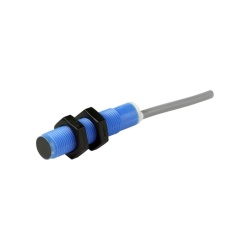
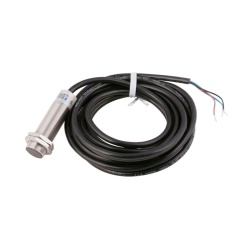
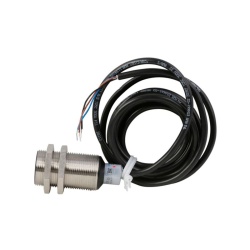
Eaton manufactures inductive, capacitive, photoelectric, ultrasonic sensors, and limit switches to support a wide range of detection, positioning, and monitoring applications.
Q: How do Eaton sensors integrate with automation systems?
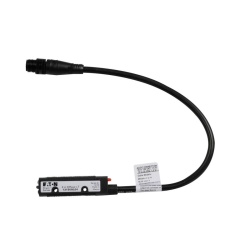
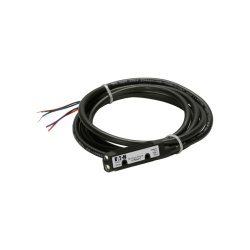
Eaton sensors are compatible with PLCs, safety relays, IEC contactors, variable speed drives, and other automation devices. Both quick-connect and wired terminal versions are available for flexible installation.
Why Buy Eaton Industrial Sensors from RSP Supply
RSP Supply offers a comprehensive selection of Eaton Industrial Sensors engineered for reliable performance in demanding industrial environments. All products meet leading global standards such as CE, UL, CSA, and RoHS, with additional performance and safety certifications available for critical applications. Customers rely on RSP Supply for knowledgeable support, detailed technical documentation, and dependable access to Eaton sensing solutions that support long-term system reliability and compliance.