

Ericson Industrial Sensors
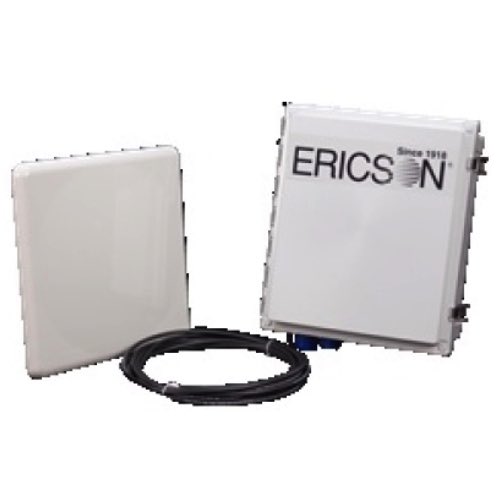
Ericson RFID sensors provide enhanced tool and equipment management, asset visibility, and security by automatically tracking the location of tagged objects, cords, or devices within an industrial facility, job site, or maintenance operation. The primary strength of Ericson RFID sensors is reducing asset losses and improving equipment accountability by giving businesses an automated record when tagged tools, reels, or portable items cross into or out of controlled zones. Unlike barcode scanners or manual sign-in procedures, Ericson’s RFID technology captures usage data even if objects are obscured or without a direct scanning step. This makes it easier for organizations to monitor which assets are in use, prevent accidental cord/tool removal from job sites, and complete audits faster with greater accuracy.
Another key benefit of Ericson RFID sensors is the rugged industrial design. Because the underlying Ericson tags and system components are built for demanding environments, they will continue reading reliably around electrical interference, dirt, grease, harsh weather, and rough handling. This improves overall asset management compared to consumer-grade tagging solutions and makes Ericson especially valuable for teams working outdoors or in industrial settings where tagged cords and tools are often exposed to challenging conditions.
FAQs
Q: What do Ericson RFID sensors do?
Ericson RFID sensors automatically identify and track tagged tools, cords, and equipment as they move through defined zones within a facility or job site.
Q: Are Ericson RFID systems suitable for industrial environments?
Yes, Ericson RFID systems are designed with durable materials and components that withstand harsh industrial and outdoor conditions.
Q: Do Ericson RFID tags require line-of-sight scanning?
No, RFID technology allows non-line-of-sight detection, enabling multiple items to be identified even when stacked or enclosed.
Q: Can Ericson RFID systems track exact locations?
Ericson RFID systems provide zone-based detection rather than precise, GPS-style location tracking.
Q: Where are Ericson RFID sensors commonly used?
They are commonly used in construction, utilities, maintenance operations, and industrial facilities that manage portable tools and equipment.
Why Buy Ericson RFID Sensors from RSP Supply
RSP Supply offers Ericson RFID sensors that support reliable asset tracking and equipment accountability in industrial environments. Our selection helps organizations reduce asset loss, improve inventory accuracy, and streamline tool management processes. Customers rely on RSP Supply for dependable industrial components, knowledgeable support, and solutions designed to perform consistently in demanding applications.