
Omega Industrial Sensors
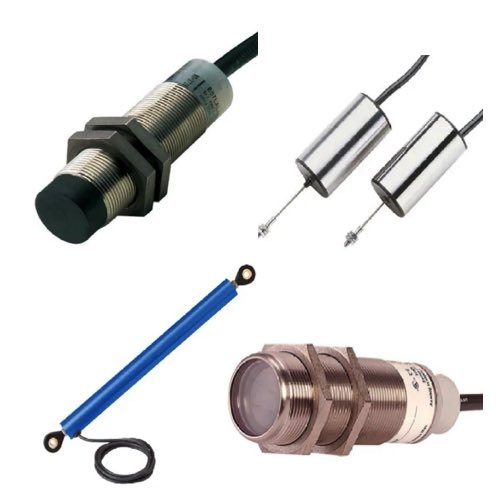
Omega industrial sensors are highly regarded for their accuracy, reliability, and broad selection, enabling precise data collection in a wide variety of measurement and control applications. Omega has established a reputation for engineering robust sensors capable of delivering consistent, repeatable performance, which makes them an excellent choice for manufacturing, automation, process control, and OEM equipment. One of the key factors that differentiates Omega’s sensors is the sheer breadth and specificity of their product offering.
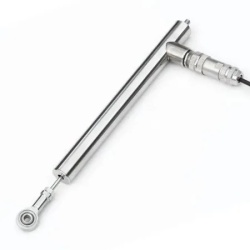
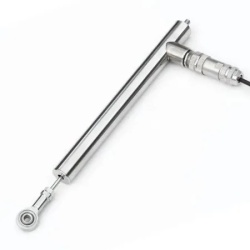
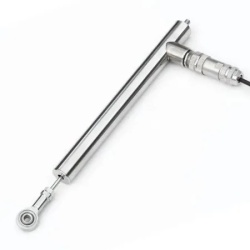
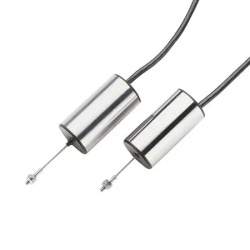
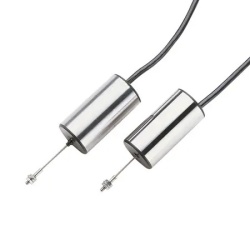
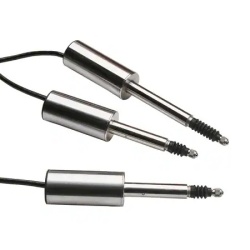
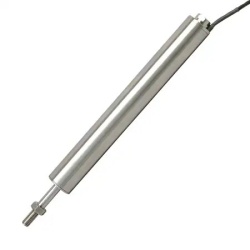
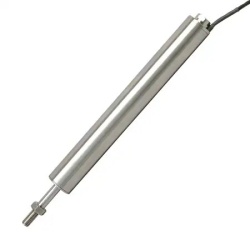
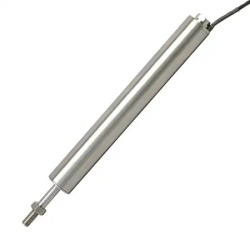
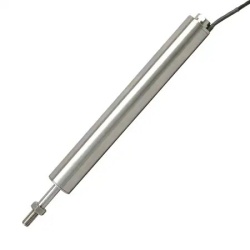
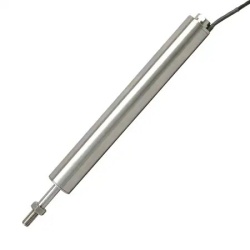
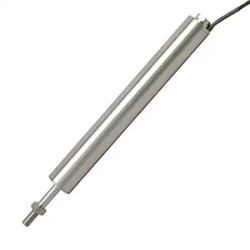
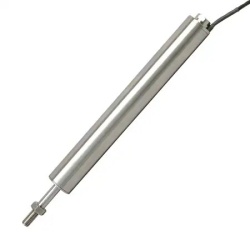
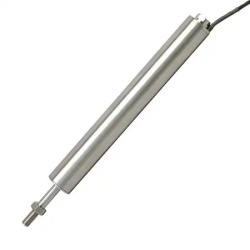
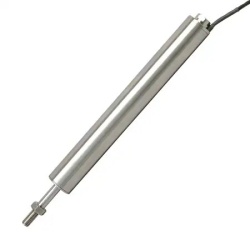
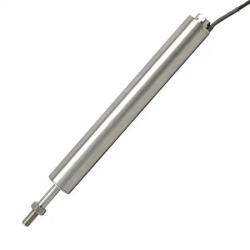
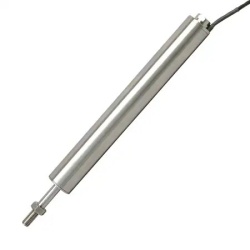
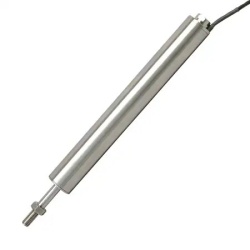
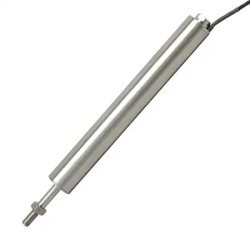
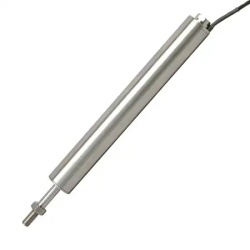
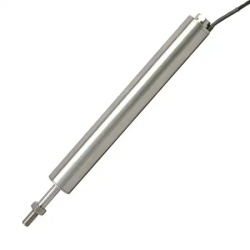
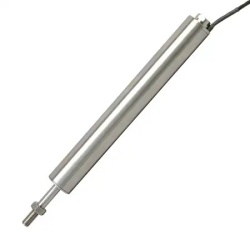
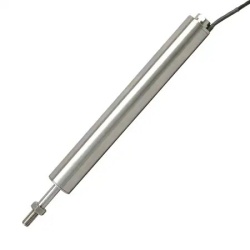
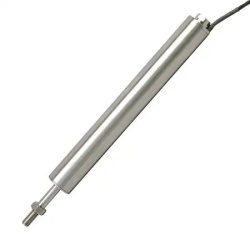
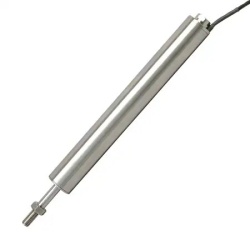
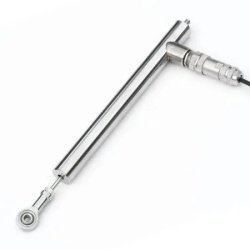
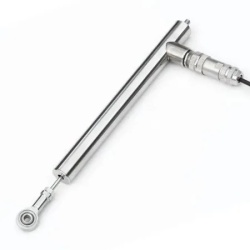
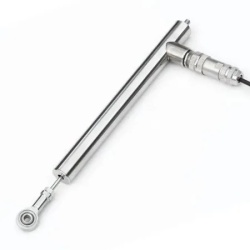
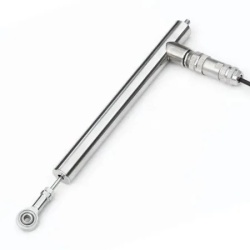
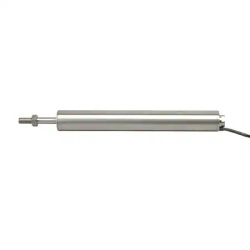
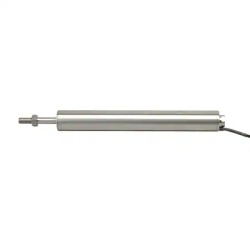
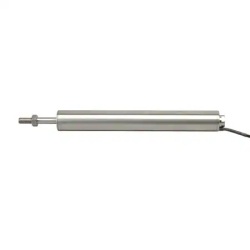
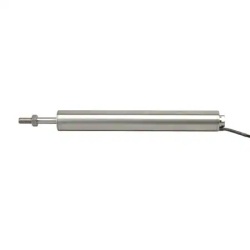
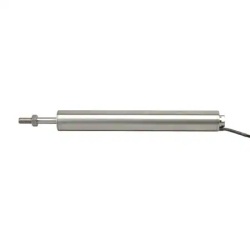
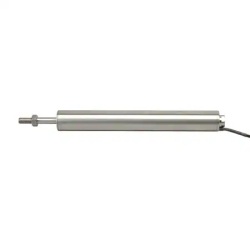
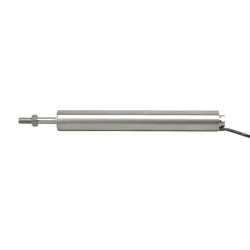
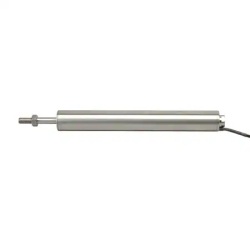
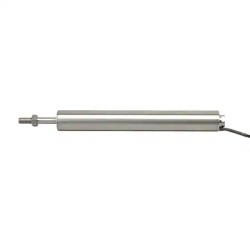
Omega offers everything from standard thermocouples and RTDs; pressure transmitters; flow meters; humidity sensors; strain gauges; vibration sensors; and dozens of other sensing technologies. Devices are designed to withstand heat, moisture, vibration, and harsh chemical environments to ensure stable operation even under demanding conditions. Professionals trust their measurements to Omega because the sensors are built for precision and longevity. The brand’s strong focus on product accuracy and engineering flexibility further supports system integration. Omega sensors are available in a wide range of probe styles, mounting configurations, enclosure materials, and output signals to streamline incorporation into new and existing instrumentation.
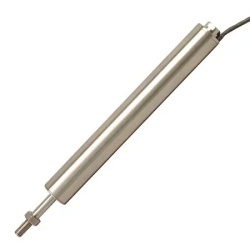
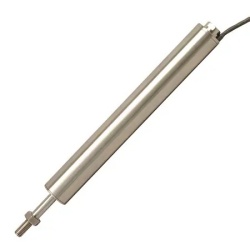
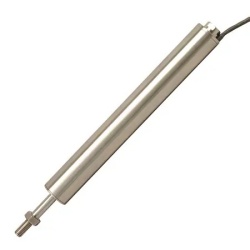
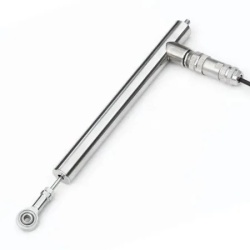
FAQs
Q: What are Omega industrial sensors used for?
Omega industrial sensors are used to measure and monitor variables such as temperature, pressure, flow, level, force, and strain in industrial and laboratory environments, supporting automation, quality control, and process optimization.
Q: What types of industrial sensors does Omega offer?
Omega offers temperature sensors (RTDs and thermocouples), pressure sensors and transmitters, flow sensors, load cells, level sensors, humidity sensors, and other specialized sensing technologies.
Q: How reliable are Omega industrial sensors in harsh environments?
Omega industrial sensors are designed for long-term reliability and stable performance in demanding conditions, including temperature extremes, vibration, and continuous operation when properly selected and installed.
Q: How do Omega industrial sensors integrate with control systems?
Omega sensors use standard output signals such as 4–20 mA, 0–10 V, and digital protocols, enabling straightforward integration with PLCs, SCADA systems, and data acquisition equipment.
Q: Do Omega industrial sensors require calibration and maintenance?
Yes, periodic calibration and inspection are recommended to maintain accuracy and reliable operation. Calibration frequency depends on application requirements, environmental conditions, and usage.
Why Buy Omega Industrial Sensors from RSP Supply
RSP Supply offers a comprehensive selection of Omega industrial sensors for automation and process control applications. Customers rely on RSP Supply for access to trusted instrumentation brands, detailed technical product information, and knowledgeable support to help ensure proper sensor selection, integration, and long-term measurement reliability.