
Panduit Industrial Sensors
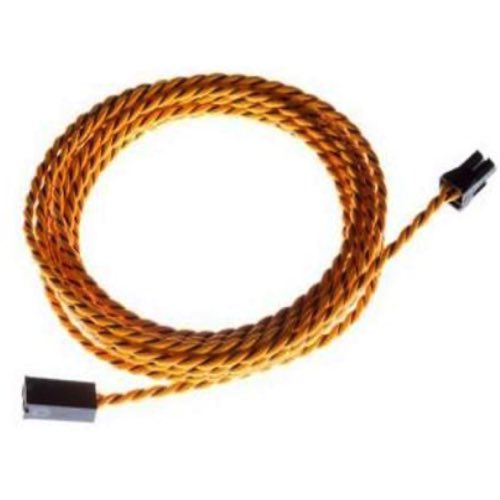
Panduit industrial sensors provide reliable means of detecting, monitoring, and maintaining equipment and safety for industrial automation systems. Panduit is an established brand recognized for its high-quality engineering, robust connectivity solutions, and integration with industrial infrastructure. Their sensors contribute to seamless connectivity and help build smarter, safer, and more efficient automation for a range of factory and equipment control applications.
Panduit offers a comprehensive portfolio of sensor solutions, including proximity sensors, photoelectric sensors, temperature sensors, humidity and environmental monitoring sensors, and more. Their sensors are engineered for high accuracy, fast response time, and easy installation—helping provide consistent, real-time data critical for efficient process control, machine safety, energy management, asset optimization, and quality assurance. Panduit sensors are designed to be user-friendly, supporting quick wiring, simple configuration, remote accessibility, and seamless integration into existing control architectures.
FAQs
Q: What applications benefit most from Panduit industrial sensors?
Panduit industrial sensors are well suited for automation, manufacturing, material handling, data centers, and industrial infrastructure monitoring where accurate detection and environmental measurement support system uptime and safety.
Q: How do Panduit sensors support advanced automation and connectivity?
Panduit sensors are designed for network compatibility and real-time monitoring, helping improve equipment visibility, reduce downtime, and support data-driven automation strategies.
Q: Are Panduit sensors suitable for harsh industrial environments?
Yes, Panduit industrial sensors feature rugged housings and durable materials designed to withstand vibration, dust, moisture, and temperature fluctuations commonly found in industrial facilities.
Q: Do Panduit sensors integrate with control systems and industrial networks?
Panduit sensors integrate easily with PLCs, Ethernet-based systems, and industrial control platforms, supporting seamless communication and centralized monitoring.
Q: Why do system integrators and OEMs choose Panduit sensors?
Integrators and OEMs value Panduit sensors for their balance of durability, accuracy, connectivity, and ease of integration into modern industrial automation systems.
Why Buy Panduit Industrial Sensors from RSP Supply
RSP Supply offers a comprehensive selection of Panduit industrial sensors for automation and monitoring applications. Customers rely on RSP Supply for access to trusted industrial brands, detailed technical product information, and knowledgeable support to help ensure proper sensor selection, system compatibility, and long-term operational reliability.