
Dwyer Controllers & Timers
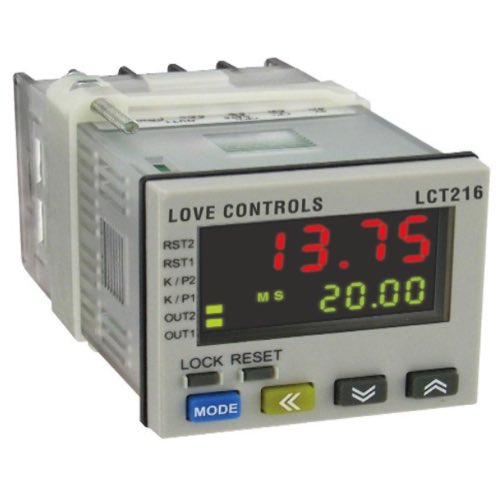
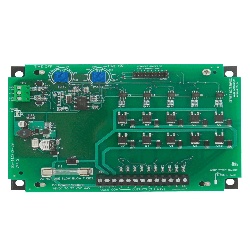
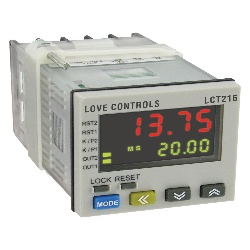
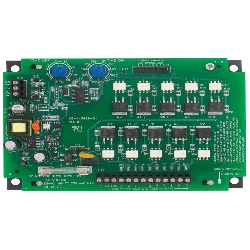
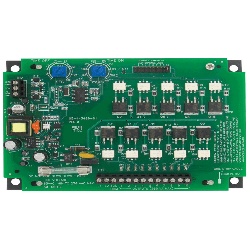
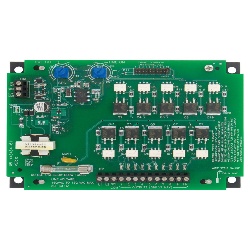
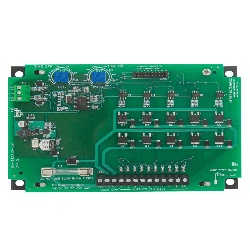
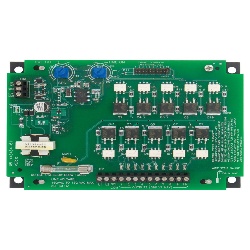
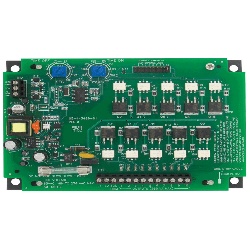
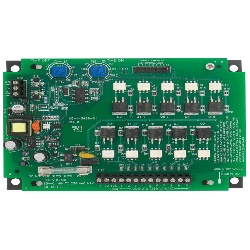
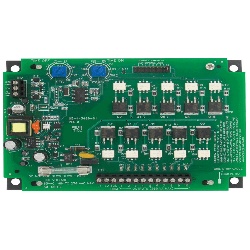
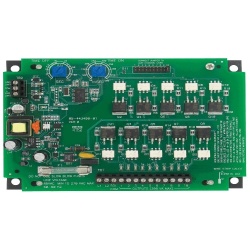
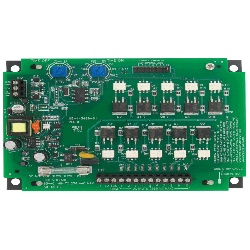
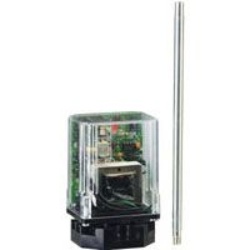
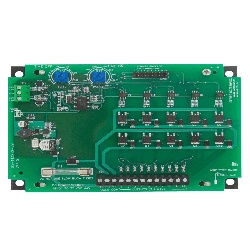
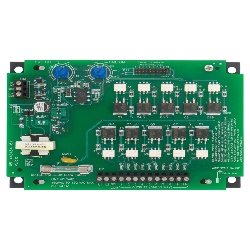
Dwyer conductivity and timer controllers are available for water quality monitoring, chemical dosing control, conductivity measurement, and timed process automation in industrial and commercial systems.
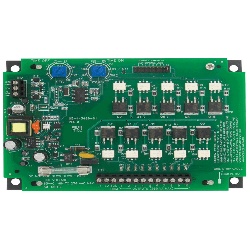
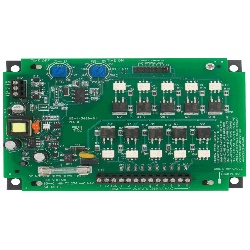
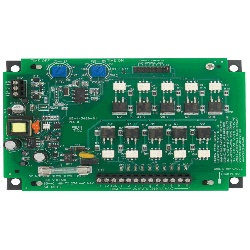
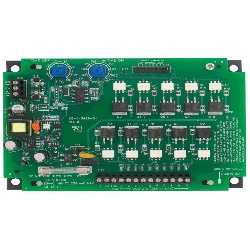
Dwyer conductivity controllers are reliable, easy-to-use solutions for measuring and regulating conductivity in a wide range of industrial and commercial applications. Designed to accurately monitor water chemistry, these controllers can directly control chemical dosing equipment and other outputs. With integrated switching and alarm output options, Dwyer conductivity controllers require very little setup or adjustment and can be trusted for trouble-free conductivity measurement and automation year after year with excellent accuracy and consistency.
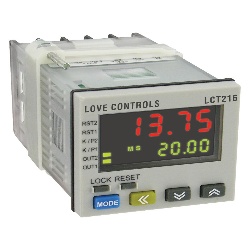
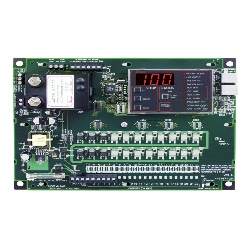
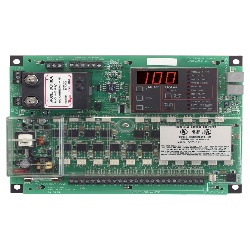
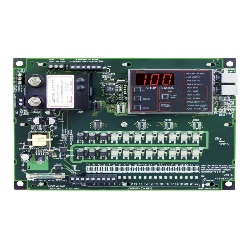
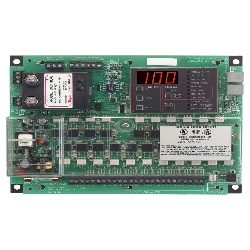
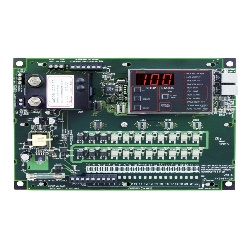
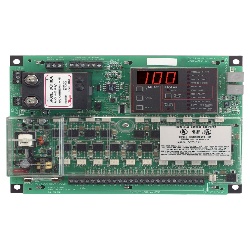
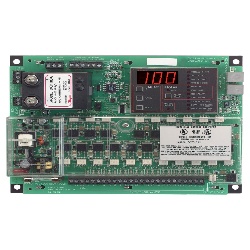
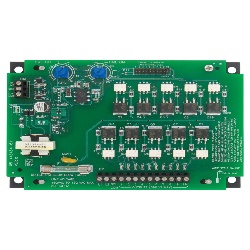
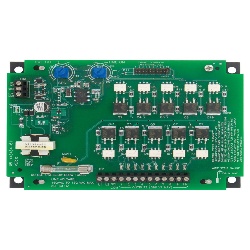
Dwyer timer controllers are compact industrial control timers that automate equipment based on adjustable delay, cycling, and duration timing. These timers feature easy-to-set delay and repeat, on/off time settings for direct automatic operation of pumps, solenoids, valves, feeders, and other process control components. Their cycle timers help automate and standardize purge, dosing, sampling, and operation cycles. Rugged construction supports use in harsh or wet environments, while electronic reliability reduces downtime and maintenance.





FAQs
Q: What do Dwyer conductivity and timer controllers do?
Dwyer conductivity controllers measure liquid conductivity to monitor water quality and automatically control related processes, while timer controllers automate equipment operation based on adjustable timing cycles.
Q: Where are Dwyer conductivity controllers typically used?
They are commonly used in boilers, cooling towers, wastewater treatment systems, commercial water treatment, and industrial process applications where precise conductivity control is required.
Q: What makes Dwyer conductivity and timer controllers reliable for industrial use?
Dwyer designs these controllers with durable electronics, stable measurement technology, straightforward calibration, and rugged enclosures to support long-term performance in demanding environments.
Q: Can Dwyer controllers be integrated with existing automation equipment?
Yes. Most Dwyer controllers include standard relay outputs and clear wiring configurations, allowing integration with pumps, valves, solenoids, and other control components.
Q: How do I choose the right Dwyer conductivity or timer controller?
Selection depends on factors such as required conductivity range, process conditions, output and alarm needs, environmental exposure, and whether timed automation is required alongside conductivity control.
Why Buy Dwyer Conductivity & Timer Controllers from RSP Supply
RSP Supply offers a reliable selection of Dwyer conductivity and timer controllers designed for accurate monitoring and dependable process automation. Our catalog supports water treatment and industrial control applications with clearly specified products from a trusted manufacturer. Customers rely on RSP Supply for consistent product availability, detailed technical information, and solutions suited for professional system control environments.