

Dwyer Pressure Switches
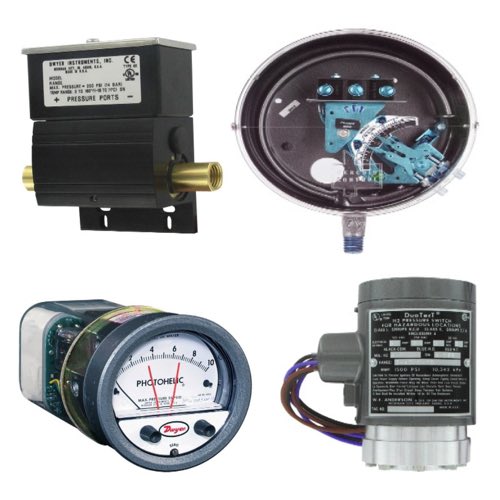
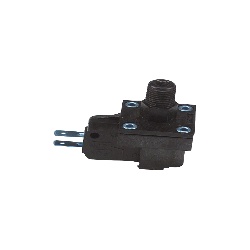
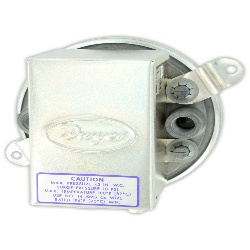
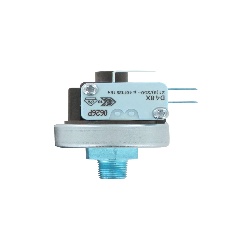
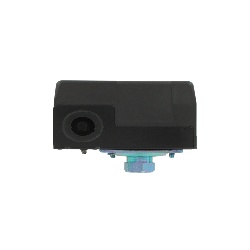
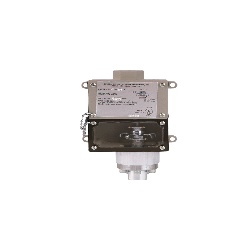
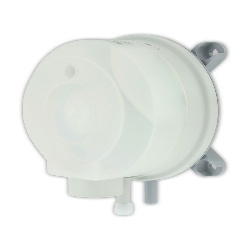
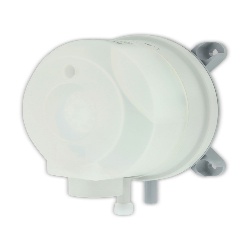
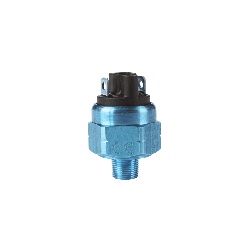
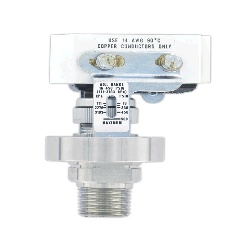
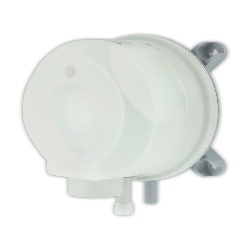
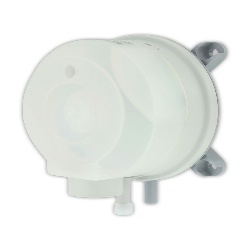
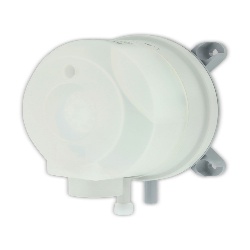
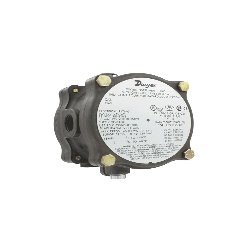
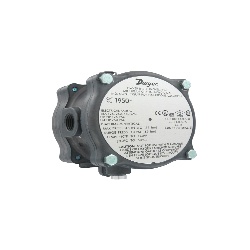
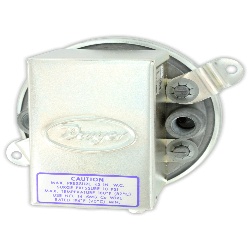
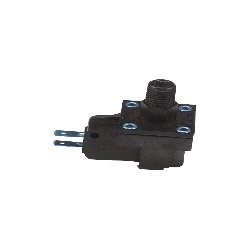
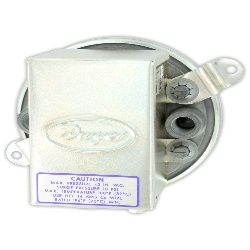
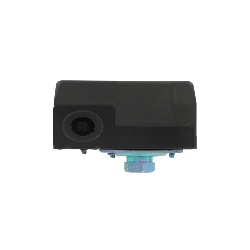
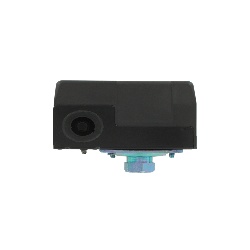
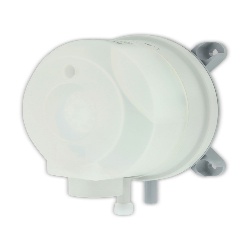
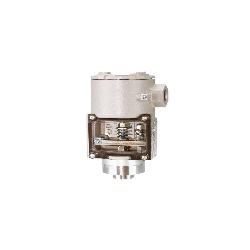
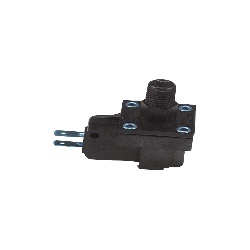
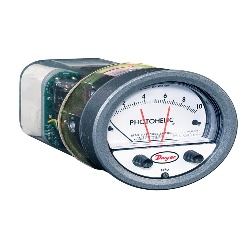
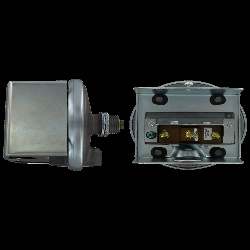
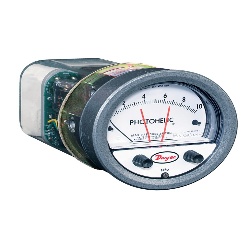
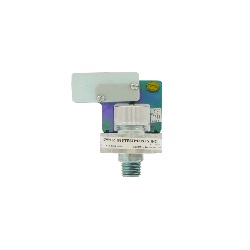
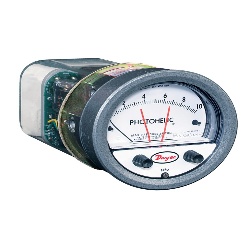
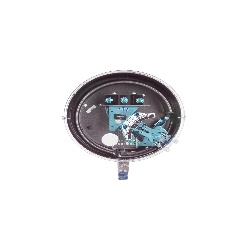
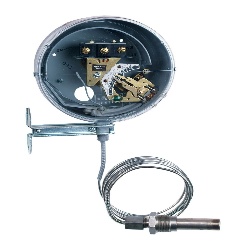
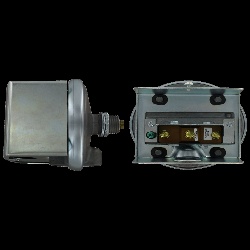
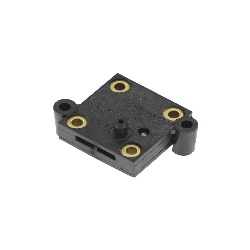
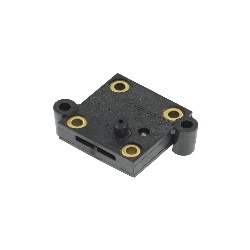
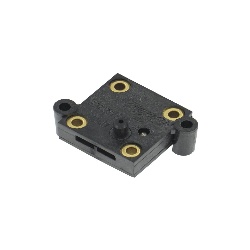
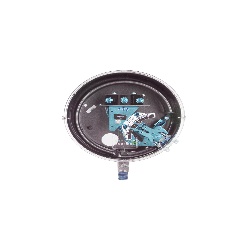
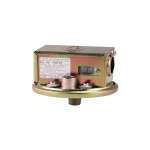
Dwyer pressure switches are available as differential pressure switches, compact low differential pressure switches, explosion-proof pressure switches, adjustable pressure switches, wireless pressure switches, and Photohelic switches/gauges for monitoring air, gas, and liquid pressure in HVAC, process, and industrial control systems.
Dwyer pressure switches are designed for dependable operation in a variety of HVAC, process, and industrial applications. These robust devices sense pressure changes and trigger electrical signals when a change exceeds a preset threshold, supporting equipment protection, alarms, and automated on/off control. Available with SPDT, DPDT, and selectable switch configurations, and with adjustable deadbands ranging from 0.01 to over 4 inH2O, Dwyer pressure switches offer precise threshold control for a wide range of pressure conditions.
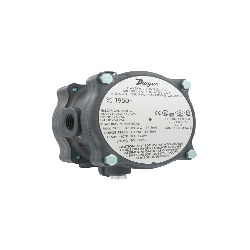
A common application for Dwyer pressure switches is airflow proving in duct systems, monitoring static pressure and pressure drop across filters, and controlling the activation of fans and blowers in HVAC systems. They are also used in reverse airflow verification applications to ensure airflow direction is correct, and for monitoring water and compatible liquid pressures in process systems. Models including the Photohelic Switch/Gage, Series 1900, Series 1950 explosion-proof, and the wireless EnOcean Series EWDP extend Dwyer's coverage into cleanrooms, hazardous locations, outdoor environments, and wireless building automation applications.
Dwyer pressure switches can be mounted in a variety of orientations, including vertical diaphragm, horizontal, and panel mount configurations. In many applications, they serve as part of a safety circuit, monitoring upstream pressure on pumps and blowers to trigger automatic shutdown before equipment failure occurs. Their cost-effective design and reliable switching performance have made them a trusted choice for HVAC professionals and industrial contractors across a wide range of pressure monitoring and control requirements.





FAQs
Q: What are Dwyer pressure switches used for?
Dwyer pressure switches monitor system pressure and activate or deactivate electrical circuits when preset pressure thresholds are reached, supporting equipment protection, alarms, filter monitoring, and on/off control in HVAC and industrial systems.
Q: What types of pressure switches does Dwyer offer?
Dwyer offers differential pressure switches, compact low differential pressure switches, explosion-proof pressure switches, adjustable pressure switches, Photohelic switch/gages, and wireless differential pressure switches with adjustable or fixed setpoints.
Q: How do pressure switches differ from pressure sensors or transmitters?
Pressure switches provide on/off control at a preset setpoint, while sensors and transmitters deliver continuous pressure measurement signals for monitoring and precise process control applications.
Q: What industries commonly use Dwyer pressure switches?
These switches are widely used in HVAC systems, building automation, cleanrooms, manufacturing, water and wastewater treatment, pneumatic systems, and industrial automation applications.
Q: Do Dwyer pressure switches require calibration or maintenance?
Yes. Periodic inspection and setpoint testing are recommended to ensure reliable switching performance and accurate threshold operation, especially in critical or safety circuit applications.
Why Buy Dwyer Pressure Switches from RSP Supply
RSP Supply offers a comprehensive selection of Dwyer pressure switches designed for reliable monitoring and control. Our catalog includes options for airflow proving, safety interlocks, and general industrial pressure applications. Customers rely on RSP Supply for trusted manufacturers, detailed product specifications, and pressure control solutions built for professional systems.