

Phoenix Contact Circuit Breakers
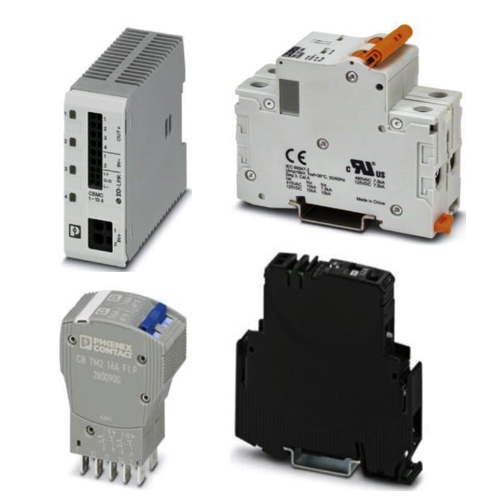
Phoenix Contact Circuit Breakers | Reliable Industrial Protection
Phoenix Contact circuit breakers provide precise, dependable protection for electrical systems in industrial automation and control panel applications. Designed for accuracy and durability, they help prevent overloads, short circuits, and costly downtime.
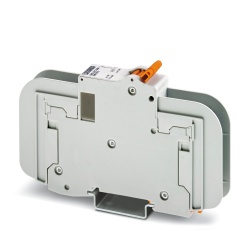
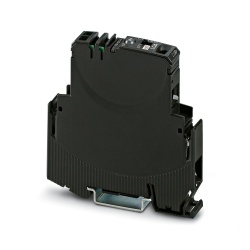
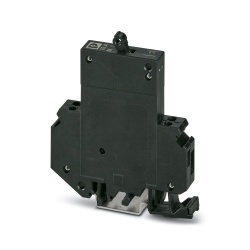
At RSP Supply, we carry a full line of Phoenix Contact circuit breakers, including electronic and thermomagnetic models, most in stock and ready to ship.
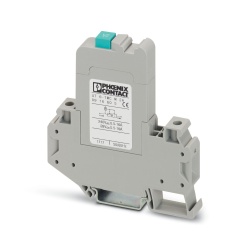
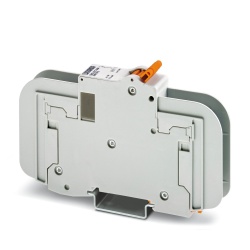
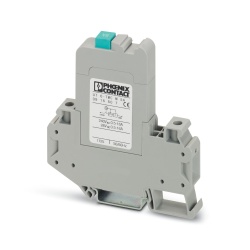
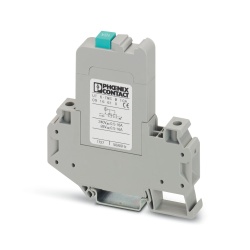
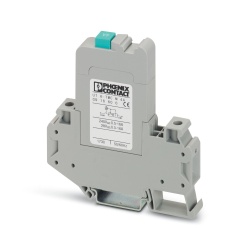
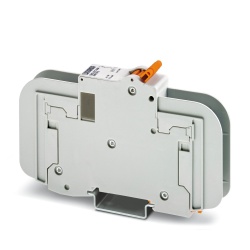
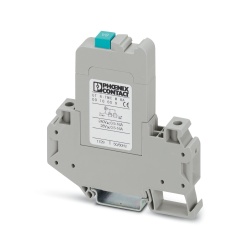
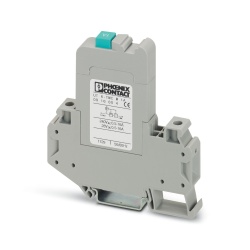
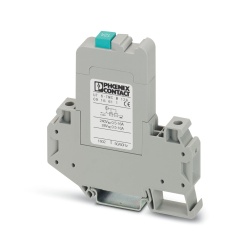
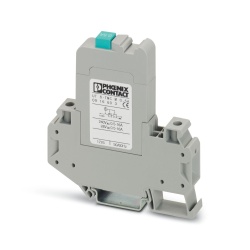
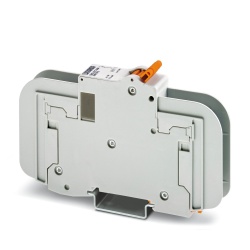
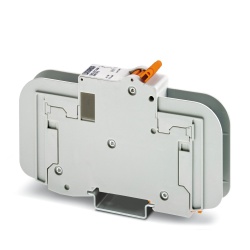
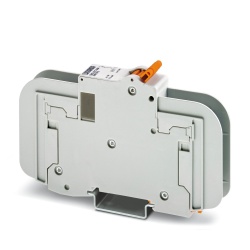
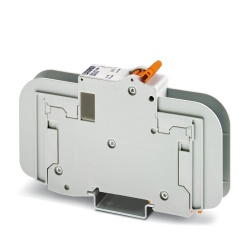
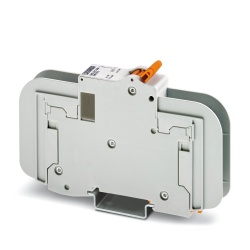
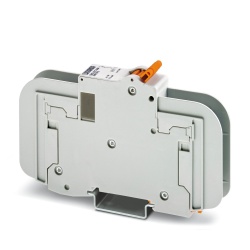
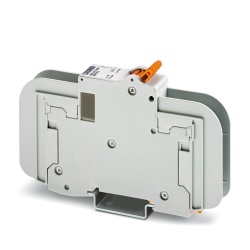
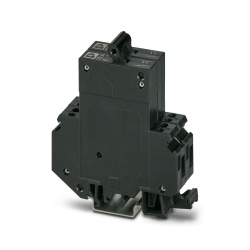
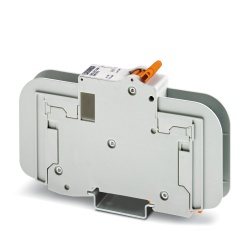
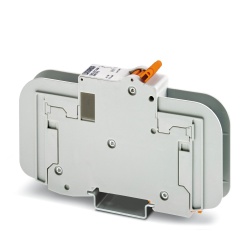
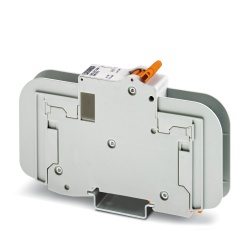
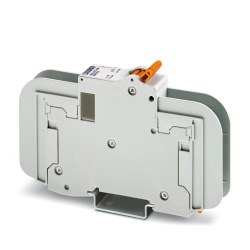
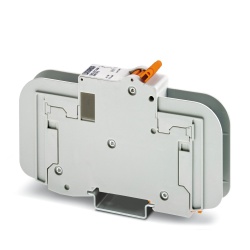
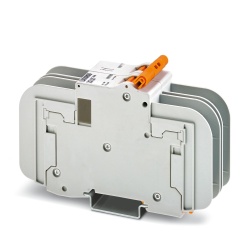
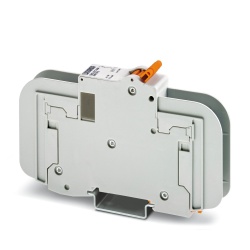
Thermomagnetic Circuit Breakers - Thermomagnetic circuit breakers, such as the UT 6-TMC series, combine thermal and magnetic trip elements for fast fault response and consistent performance. They’re ideal for industrial equipment, machine control, and general power systems.
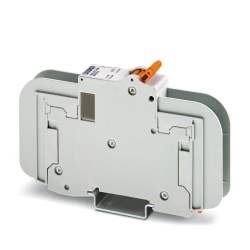
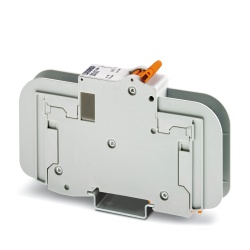
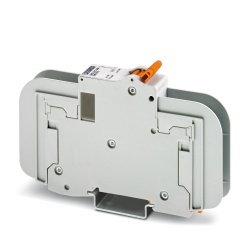
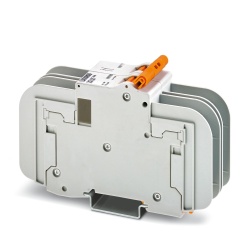
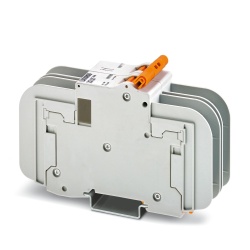
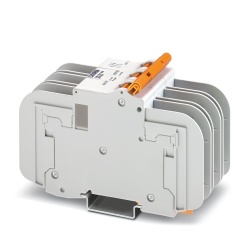
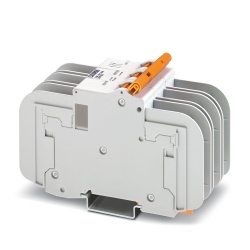
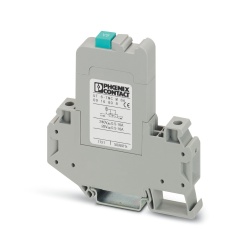
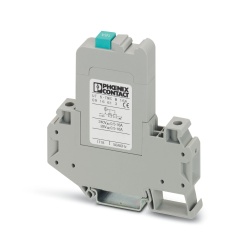
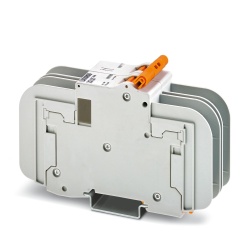
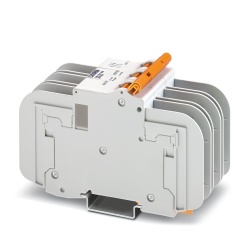
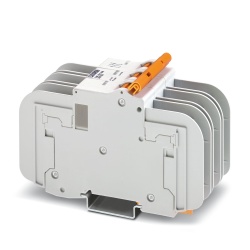
Electronic Circuit Breaker - Electronic circuit breakers, like the CBMC series, offer advanced protection with adjustable trip settings and precise current monitoring. They integrate easily into automation systems and digital control networks, helping prevent faults before they cause downtime.
Why Choose RSP Supply
- Authorized Phoenix Contact distributor
- Wide selection in stock
- Fast shipping and expert support


FAQs
Q: Do Phoenix Contact device circuit breakers protect sensitive electronics from overcurrent?
Yes and they do an excellent job. Phoenix Contact device circuit breakers, including the popular CB and CBMC series, are designed to protect delicate electronic equipment from overcurrent conditions. When too much current is detected, they automatically open the circuit, preventing overheating and helping you avoid costly equipment damage or downtime.
Q: Can Phoenix Contact miniature circuit breakers handle short circuits and voltage dips?
Absolutely. Phoenix Contact miniature circuit breakers (MCBs) are built to react quickly to short circuits while maintaining stable power throughout the system. Their precise trip characteristics help minimize voltage dips, keeping your industrial control systems and automation equipment running smoothly; even under fault conditions.
Q: What’s the difference between electronic and thermomagnetic circuit breakers?
The main difference is how they detect and react to electrical issues. Electronic breakers use sensors and digital control for pinpoint accuracy; ideal for low-voltage and sensitive electronic circuits. Thermomagnetic breakers rely on heat and magnetic response to detect overloads and short circuits, making them great for traditional industrial power distribution setups.
Q: How do I know which Phoenix Contact circuit breaker is right for my system?
Choosing the right breaker depends on your application, voltage, and load type. For DC control systems or electronics that switch frequently, electronic breakers like the CB series are usually best. For general-purpose power circuits, thermomagnetic breakers like the CBMC series are a solid choice. If you’re unsure, our RSP Supply team can help you find the perfect fit for your setup.
Q: Are Phoenix Contact circuit breakers good for industrial automation systems?
Yes, they’re built for it. Phoenix Contact breakers are widely used in industrial automation, panel building, and machine control. Their compact design, reliable trip behavior, and high level of protection make them a go-to option for safeguarding PLCs, I/O modules, and other control components.
Q: Are Phoenix Contact circuit breakers easy to install?
Yes. Most Phoenix Contact breakers feature DIN rail mounting, so installation is quick and straightforward. Their modular design also makes it easy to expand your setup or add accessories like remote reset modules and status indicators as your system grows.
What is a Circuit Breaker?
Magnetic Breakers
Magnetic Breakers are designed to react to short circuits or sharp spikes in voltage and current. The more current that passes through the breaker's electromagnet, the stronger the magnet becomes. When the current exceeds the rating for that particular breaker, the magnetic force becomes strong enough that it will pull the contact back and disconnect it from the other contact, disconnecting power from the device.
Thermal Protection Breakers
Thermal Protection Breakers protect against a sustained overcurrent, or a higher current, for a longer period of time. Thermal protection uses a Bimetal strip that will bend the contacts away from each other to disconnect power. Thermal Magnetic Breakers are the most common type of circuit breakers. They combine magnetic technology to protect against short circuits or sharp spikes and thermal technology that protects against sustained overcurrent for a long period of time.