

Pressure Sensors & Transmitters
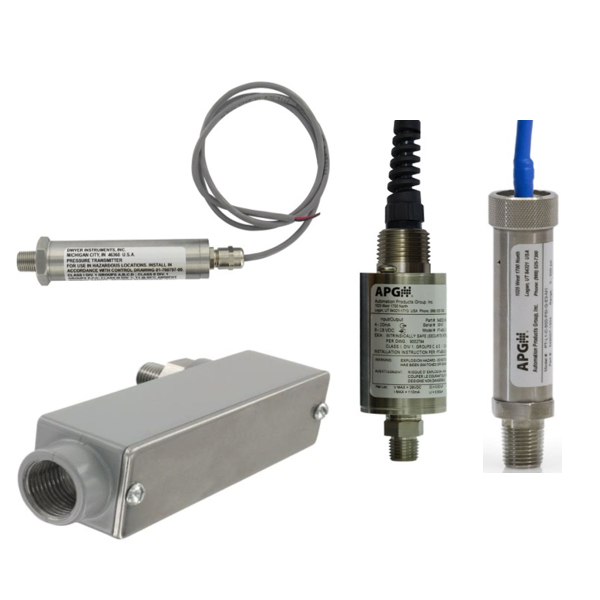
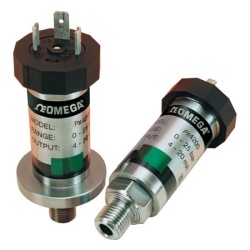
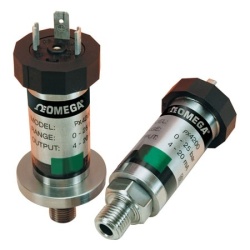
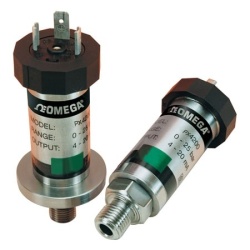
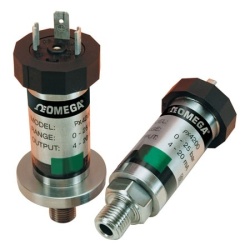
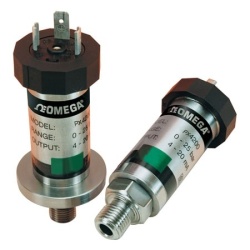
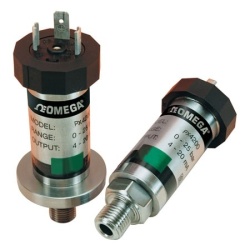
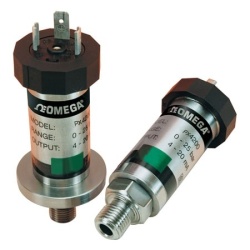
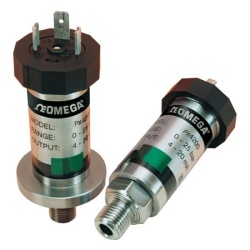
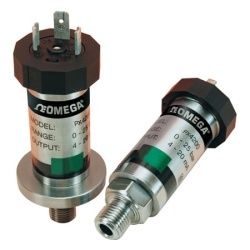
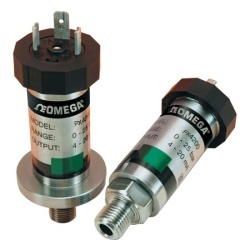
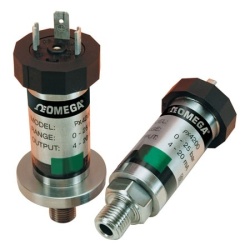
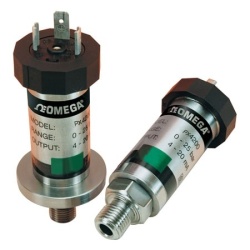
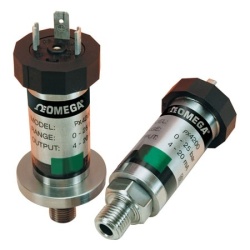
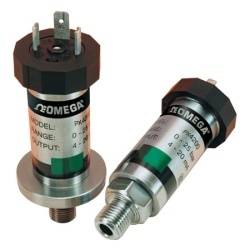
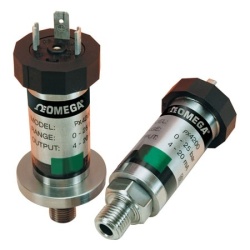
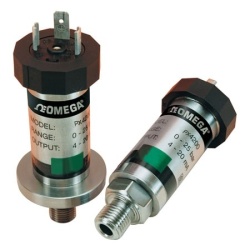
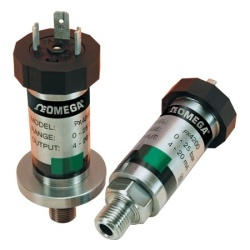
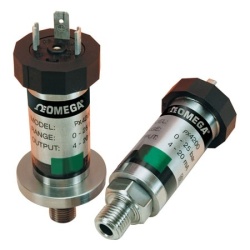
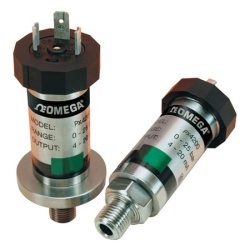
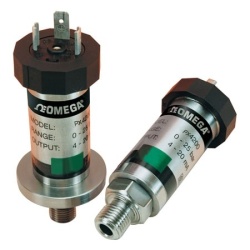
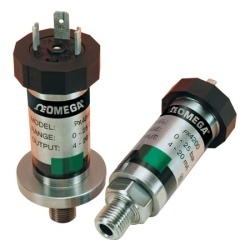
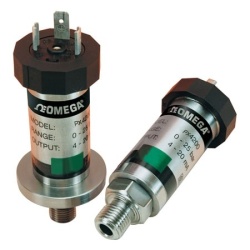
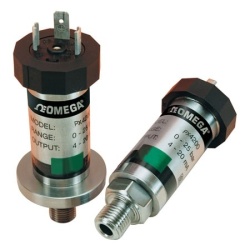
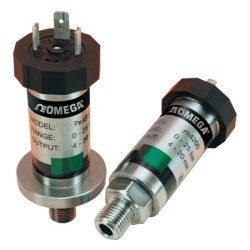
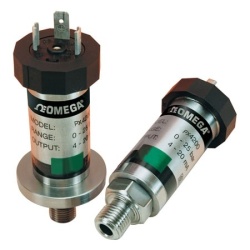
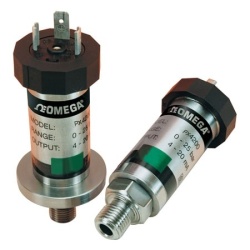
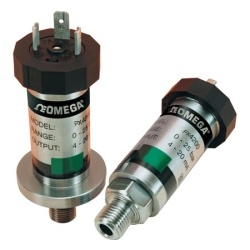
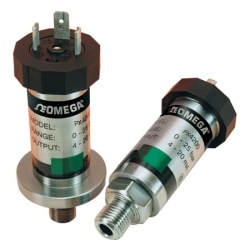
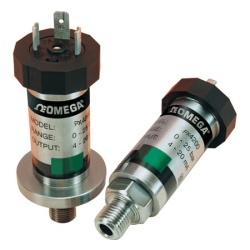
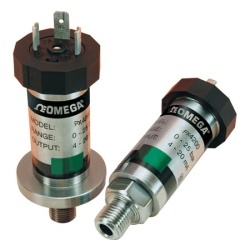
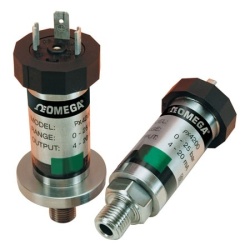
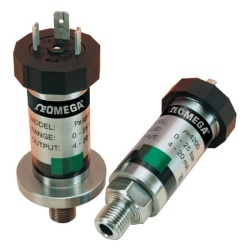
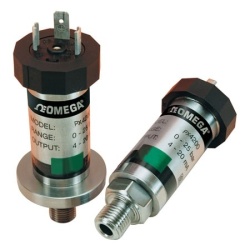
Pressure sensors and transmitters are essential instruments for measuring and monitoring gas and liquid pressure across a wide range of industrial applications. These devices convert physical pressure into electrical signals that can be used for data collection, system monitoring, and real-time control. They play a critical role in maintaining safe and efficient operation in systems such as hydraulics, HVAC, compressors, pumps, and process equipment.
Pressure sensors act as the sensing element, detecting pressure changes and converting them into an electrical response. Pressure transmitters build on this function by conditioning the signal and converting it into standardized outputs such as 4–20 mA, 0–10 V, or digital communication formats suitable for PLCs, SCADA systems, and industrial controllers. This makes transmitters especially well suited for long-distance signal transmission and automated process control.
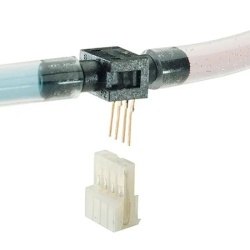
Available in a wide variety of configurations, pressure sensors and transmitters include differential pressure models, high-accuracy pressure transducers, and devices designed for harsh or space-constrained environments. Many models feature rugged stainless steel construction for durability and media compatibility, delivering reliable performance across broad pressure ranges.
 ABB Pressure Sensors-Transmitters
 ACI Pressure Sensors-Transmitters
 APG Pressure Sensor-Transmitters
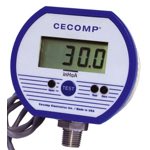 API Pressure Sensors-Transmitters
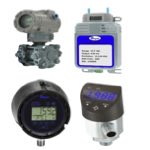 Dwyer Pressure Sensors-Transmitters
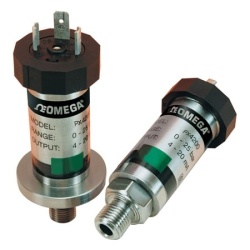
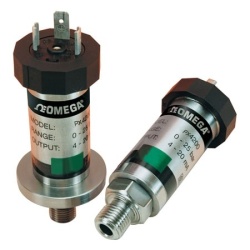
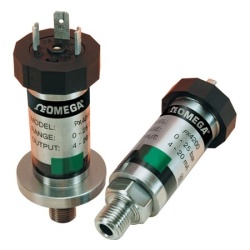
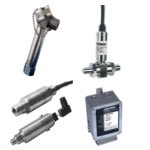 Omega Pressure Sensors-Transmitters
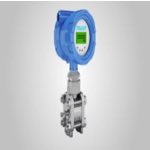 Tek-Trol Pressure Sensors-Transmitters
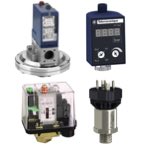 Telemecanique Pressure Sensors-Transmitters
FAQs
Q: What is the difference between a pressure sensor and a pressure transmitter?
A pressure sensor detects pressure and converts it into an electrical signal. A pressure transmitter conditions that signal and outputs a standardized format, such as 4–20 mA or 0–10 V, making it suitable for integration with industrial control systems and long-distance signal transmission.
Q: What applications commonly use pressure sensors and transmitters?
These devices are widely used in manufacturing, HVAC, water and wastewater treatment, oil and gas, chemical processing, power generation, and industrial automation. They support system control, safety monitoring, energy efficiency, and process consistency.
Q: How accurate are industrial pressure sensors and transmitters?
Accuracy depends on the specific technology and model, with typical ranges from ±0.05% to ±1% of full scale. Environmental conditions, temperature variation, pressure cycling, and calibration practices all influence long-term accuracy.
Q: How do I choose the right pressure sensor or transmitter?
Selection depends on pressure range, process media, temperature limits, environmental exposure, required accuracy, and output signal type. Mounting method, wetted materials, response time, and compliance requirements should also be considered.
Q: Do pressure sensors and transmitters require calibration and maintenance?
Yes, periodic calibration and inspection are recommended to maintain accuracy and reliability. Calibration intervals vary based on application criticality and operating conditions, but regular maintenance helps identify drift or wear before it impacts performance.
Why Buy Pressure Sensors and Transmitters from RSP Supply
RSP Supply offers a broad selection of industrial pressure sensors and transmitters designed for reliable performance in demanding applications. Our products support accurate measurement, consistent signal output, and seamless integration with automation and control systems. Customers rely on RSP Supply for dependable components, knowledgeable technical support, and solutions that help maintain safe, efficient, and well-controlled industrial operations.ability and measurement confidence.