
Omega Pressure Sensors-Transmitters
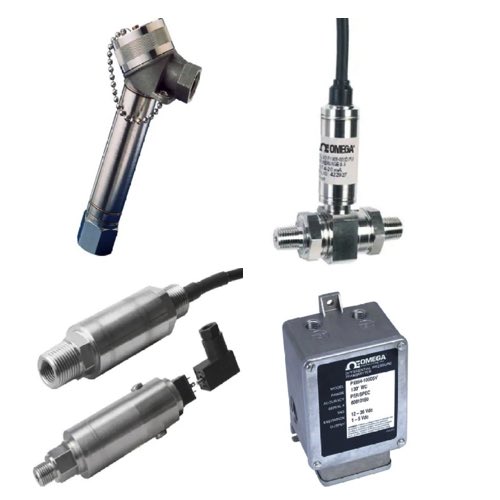
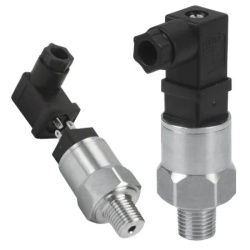
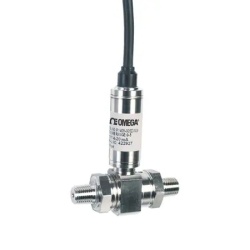
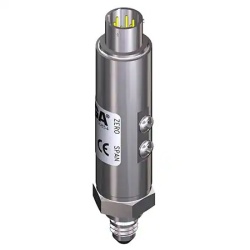
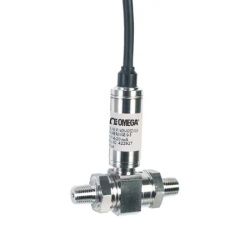
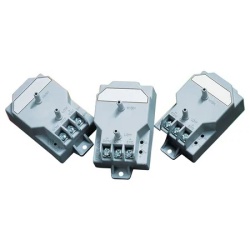
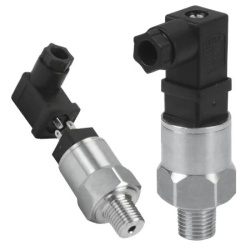
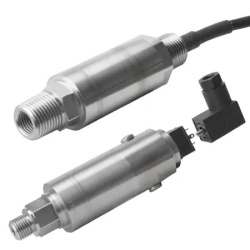
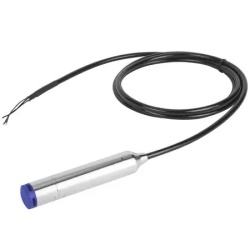
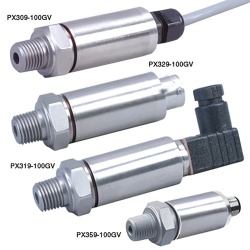
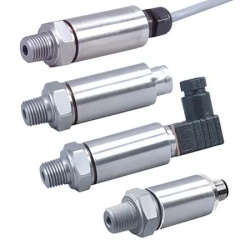
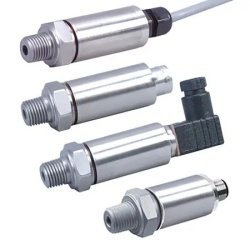
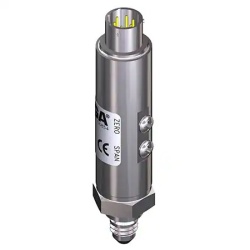
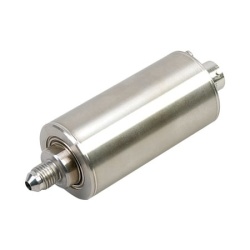
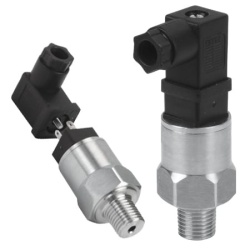
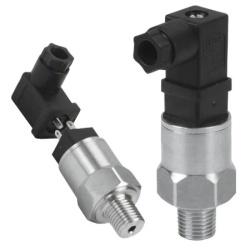
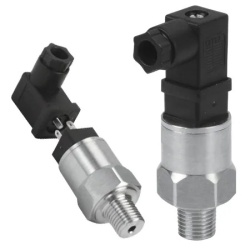
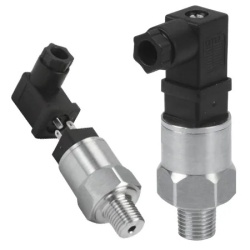
The precision, versatility, and stability of Omega pressure sensors and transmitters are well-established in a variety of applications across industries, commerce, and laboratories. The Omega Instruments are designed to convert pressure into a clean, reliable electrical signal that represents the status of the pressure that the sensor is monitoring. The sensors are widely used in monitoring pumps, hydraulic systems, pneumatic systems, gas systems, and any number of process equipment that require reliable pressure readings for proper operation.
If you want to understand why these instruments are a good choice for operating in your industrial, oil & gas, laboratory, or other processing environments, start with the engineering point of view: Omega focuses on precision. And when it comes to precision pressure measurement, the first problem to solve for is mutually reinforcing accuracy and repeatability. You can make a pressure reading a lot of different ways, but at the end of the day, if the reading doesn’t help you understand the pressure condition that the system is in, then it isn’t helpful.









FAQs
Q: What are Omega pressure sensors and transmitters used for?
Omega pressure sensors and transmitters are used to measure and transmit pressure data for gases and liquids in industrial, laboratory, and process control applications, supporting monitoring, safety, and automation systems.
Q: What types of pressure sensors and transmitters does Omega offer?
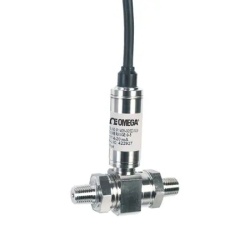
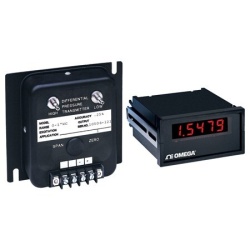
Omega offers gauge, absolute, differential, and vacuum pressure sensors and transmitters in various pressure ranges, materials, mounting styles, and electrical output options.
Q: How accurate are Omega pressure sensors and transmitters?
Omega pressure sensors and transmitters are designed for high accuracy and repeatability. Performance depends on the specific model, proper sizing, installation, and environmental conditions.
Q: How do Omega pressure sensors integrate with control systems?
Omega devices use standard analog outputs such as 4–20 mA or 0–10 V, along with digital interfaces on select models, allowing seamless integration with PLCs, SCADA systems, and data loggers.
Q: Do Omega pressure sensors and transmitters require calibration?
Yes, periodic calibration and inspection are recommended to maintain accuracy and reliable operation. Calibration frequency depends on application demands, operating conditions, and usage.
Why Buy Omega Pressure Sensors & Transmitters from RSP Supply
RSP Supply offers a comprehensive selection of Omega pressure sensors and transmitters for industrial measurement and process control applications. Customers rely on RSP Supply for access to trusted instrumentation brands, detailed technical product information, and knowledgeable support to help ensure proper product selection, system compatibility, and long-term measurement reliability.