
Telemecanique Pressure Sensors-Transmitters
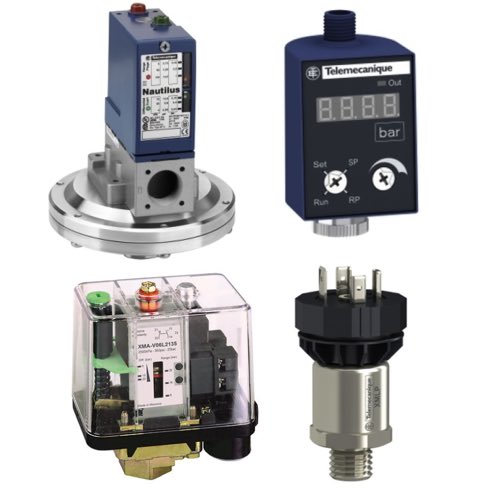
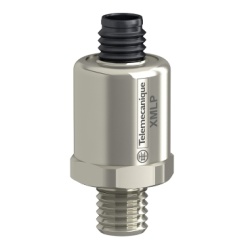
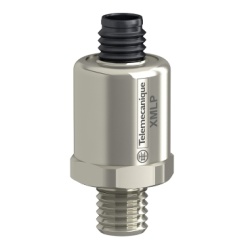
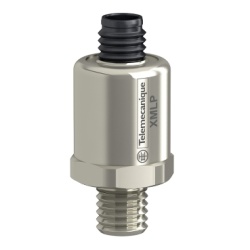
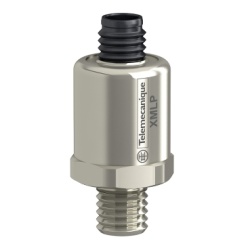
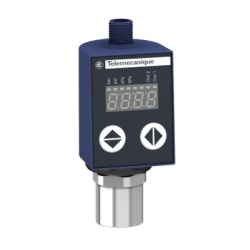
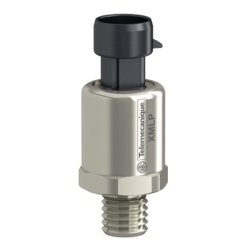
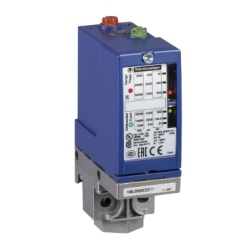
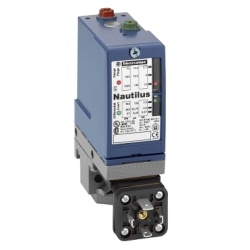
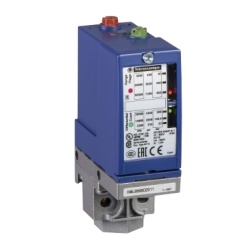
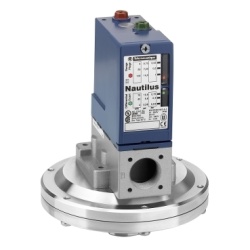
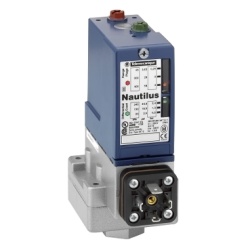
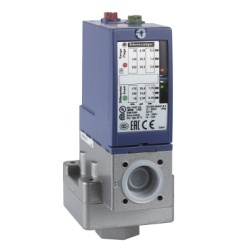
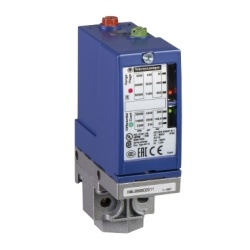
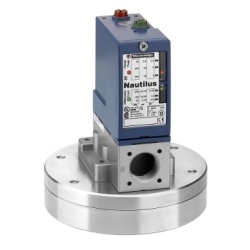
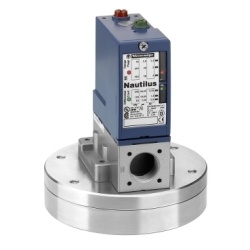
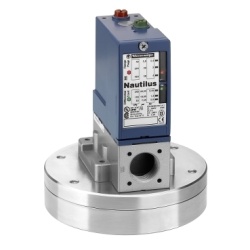
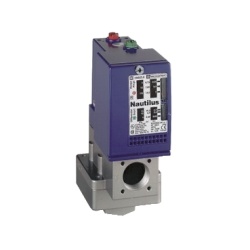
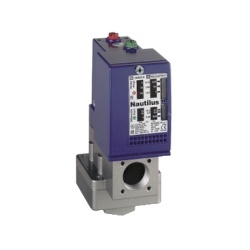
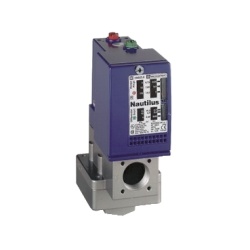
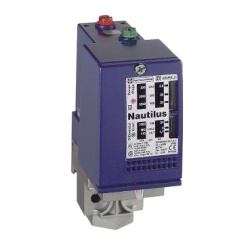
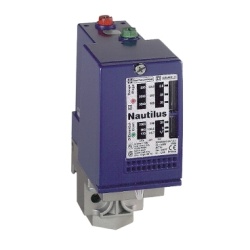
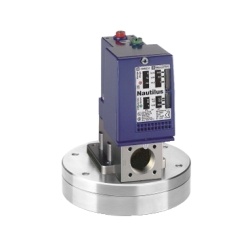
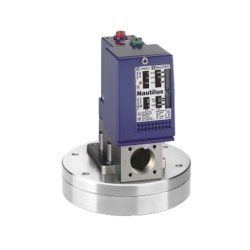
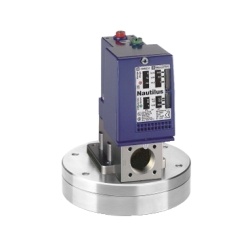
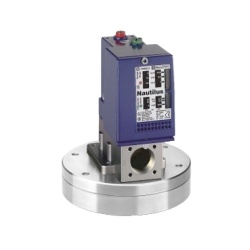
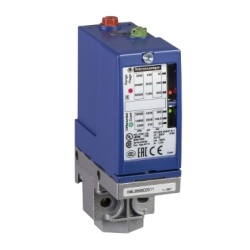
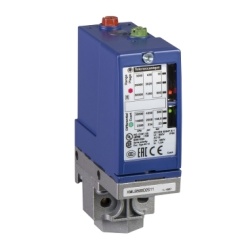
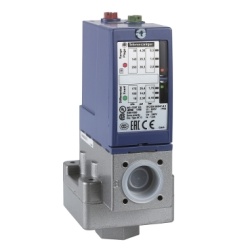
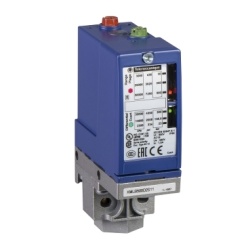
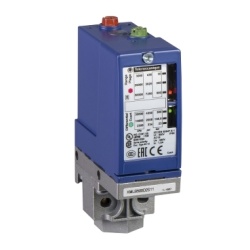
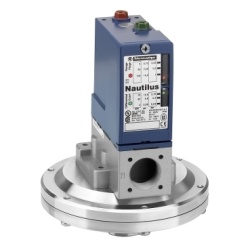
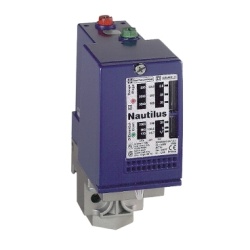
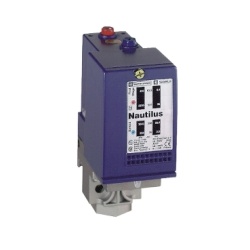
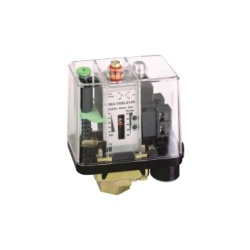
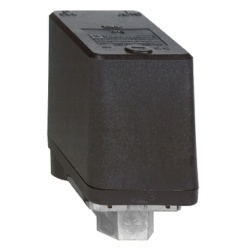
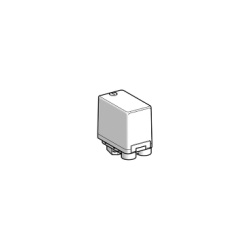
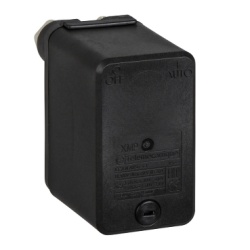
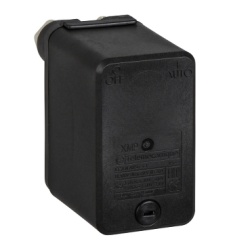
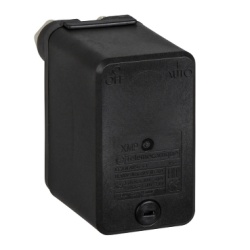
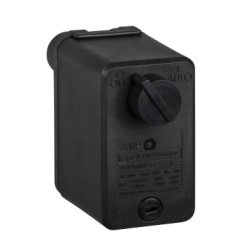
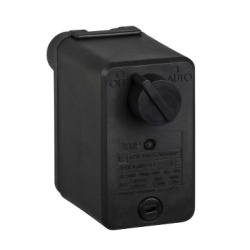
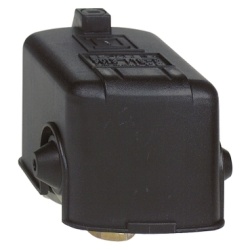
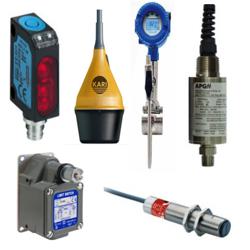
Pressure sensors and transmitters from Telemecanique are made for reliable and precise monitoring in many places. You can find them in equipment for industrial automation, fluid control, and many other things where not only pressure but also flow, level, and temperature must be monitored with high precision and stability. There are a few key features that make Telemecanique sensors attractive, particularly in the context of engineering challenges that one often encounters while working on the pressure measurement side of things.
First, Telemecanique pressure sensors are constructed durably and interface intuitively with whatever system you happen to be integrating them into, regardless of whether that system is a pressure control system, a factory automation system, or something else. They have all sorts of seals to make them impervious to dust, moisture, or even full-on Submersion in water—an IP67 rating. Also, the sensors can take a beating in terms of rough and tumble use at a site and still deliver great and dependable response times.

FAQs
What are Telemecanique pressure sensors and transmitters used for?
Telemecanique pressure sensors and transmitters are used to measure and transmit pressure data in industrial automation, machinery, and process control applications involving liquids or gases. They provide reliable real-time pressure feedback to PLCs and control systems to support machine protection, system efficiency, and safe operation in automated environments.
What types of pressure sensors and transmitters does Telemecanique offer?
Telemecanique offers pressure sensors and transmitters designed for gauge, absolute, and relative pressure measurement across a range of industrial applications. These devices are commonly used in hydraulic systems, pneumatic circuits, compressors, pumps, and automated machinery. Selection depends on pressure range, media compatibility, mounting style, and required electrical output.
How accurate are Telemecanique pressure sensors and transmitters?
Telemecanique pressure sensors and transmitters are engineered to deliver stable and repeatable accuracy suitable for industrial automation and machine control applications. Accuracy varies by model, but correct pressure range selection, proper installation, and controlled operating conditions help maintain reliable measurements over time. Environmental factors such as vibration, temperature variation, and pressure cycling can influence accuracy if not properly accounted for.
How do Telemecanique pressure sensors and transmitters integrate with control systems?
Telemecanique pressure sensors and transmitters integrate seamlessly with industrial control systems using standard output signals such as 4–20 mA, 0–10 V, and other automation-compatible interfaces. These signals allow dependable transmission to PLCs, HMI systems, and monitoring equipment. Their compatibility makes them ideal for both new machine designs and retrofit automation projects.
Do Telemecanique pressure sensors and transmitters require calibration and maintenance?
Yes, Telemecanique pressure sensors and transmitters require periodic inspection and calibration to ensure continued accuracy and reliable system operation. Calibration frequency depends on application criticality and operating conditions, but routine maintenance helps identify sensor drift, mechanical wear, or environmental effects early. Regular calibration supports long-term reliability, safety, and confidence in pressure measurement data.
Why Buy Telemecanique Pressure Sensors & Transmitters from RSP Supply
RSP Supply offers Telemecanique pressure sensors and transmitters engineered for accurate, dependable industrial monitoring. Our selection supports reliable system performance across a wide range of automation and process control applications.