
API Pressure Sensors-Transmitters
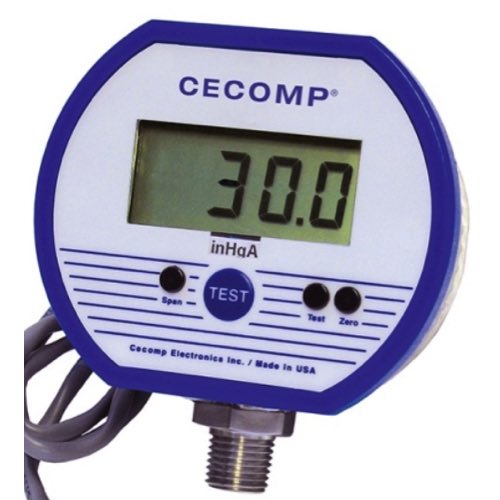
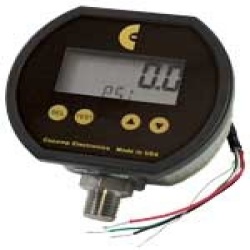
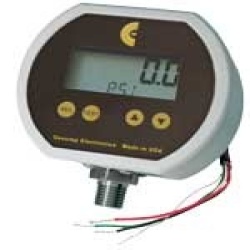
API pressure transmitters are designed for reliable, real-time pressure measurement in industrial systems where accurate monitoring is essential for safe and efficient operation. RSP Supply offers API pressure transmitters for applications involving pumps, compressors, hydraulic systems, pipelines, and process equipment where stable electrical output and dependable sensing performance are required. These devices convert measured pressure into a continuous signal that can be used by controllers, PLCs, and monitoring systems to support automation, equipment protection, and system visibility.
API pressure transmitters are available in a range of pressure values, sensing types, materials, and housing styles to support different industrial and process requirements. Options are available for gauge, absolute, and differential pressure measurement, along with standard industrial output signals such as 4–20 mA and voltage outputs. This flexibility allows API transmitters to be used in applications ranging from OEM panels and machinery to outdoor process installations and more demanding pressure monitoring systems. Their rugged construction and practical signal compatibility make them suitable for both light-duty and harsh-environment installations.
In industrial environments, pressure transmitters play an important role in maintaining process stability, protecting equipment, and providing the feedback needed for automated control. API pressure transmitters are selected for applications where consistent performance, straightforward integration, and long service life are important. With solutions designed for industrial automation and continuous monitoring, API pressure transmitters help support accurate pressure sensing across a wide variety of systems and operating conditions.


FAQs
Q: What are API pressure transmitters used for?
API pressure transmitters are used to measure and transmit pressure data in industrial and process control systems involving liquids or gases. They provide continuous signals to PLCs, SCADA systems, and controllers to support safe operation and equipment protection.
Q: What types of pressure transmitters does API offer?
API offers pressure transmitters for gauge, absolute, and differential pressure measurement across a range of pressure values, materials, and housing styles to suit different applications and environments.
Q: How accurate are API pressure transmitters?
API pressure transmitters are designed to deliver stable, repeatable accuracy suitable for industrial monitoring. Accuracy depends on the specific model, proper pressure range selection, and correct installation.
Q: How do API pressure transmitters integrate with control systems?
API pressure transmitters use standard industrial outputs such as 4–20 mA or voltage signals, enabling easy integration with PLCs, automation controllers, and monitoring equipment.
Q: Do API pressure transmitters require calibration and maintenance?
Yes. Periodic inspection and calibration are recommended to maintain accuracy and dependable performance. Calibration intervals depend on application requirements and operating conditions.
Why Buy API Pressure Transmitters from RSP Supply
RSP Supply offers a reliable selection of API pressure transmitters for industrial monitoring and automation applications. Our product lineup supports accurate sensing, durable construction, and straightforward system integration across demanding environments.