
ACI Pressure Sensors-Transmitters
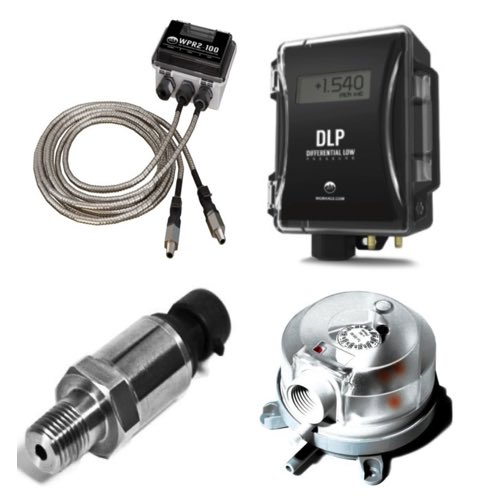
ACI pressure sensors and transmitters are designed to provide accurate and reliable pressure measurement in HVAC, building automation, and light industrial applications. RSP Supply offers ACI pressure monitoring solutions for air, gas, and liquid systems where dependable output and stable long-term performance are important to control accuracy. These devices are commonly used to support airflow monitoring, duct pressure measurement, room pressurization, pump control, filter status indication, and general system protection across commercial and industrial environments.
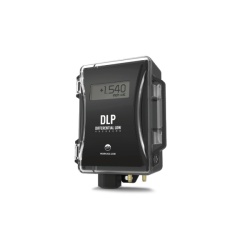
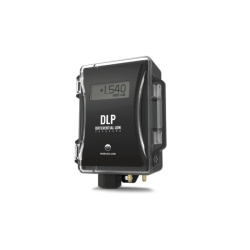
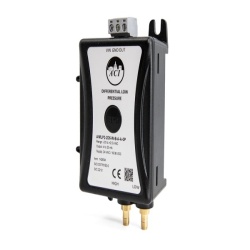
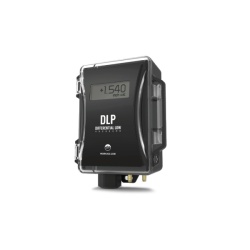
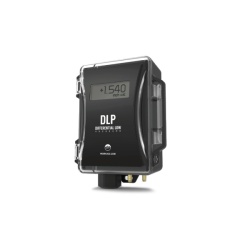
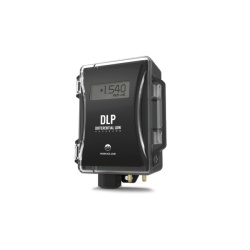
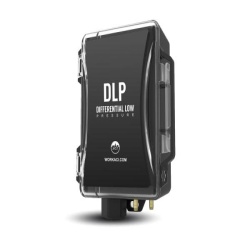
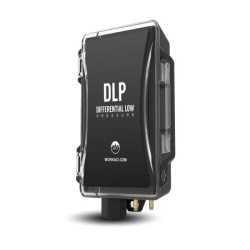
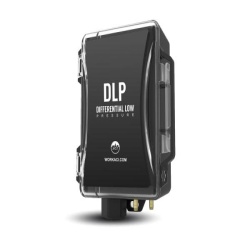
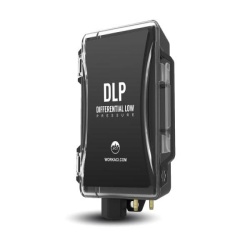
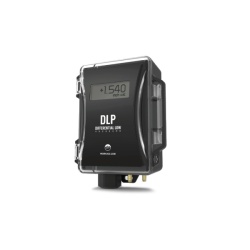
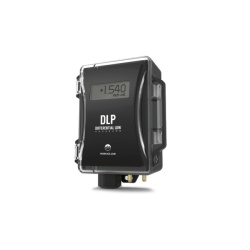
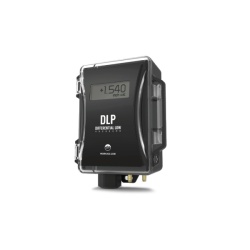
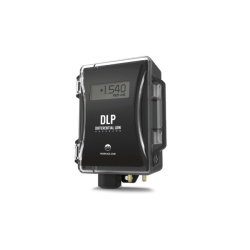
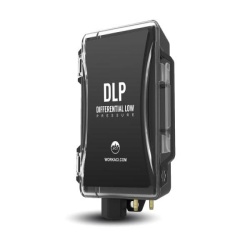
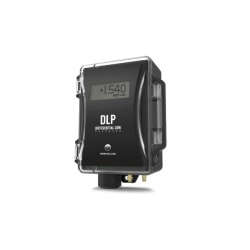
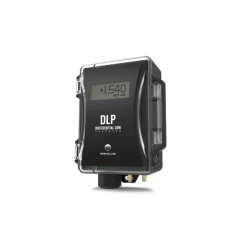
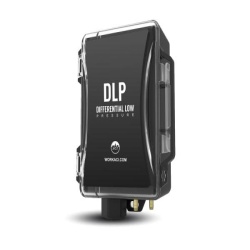
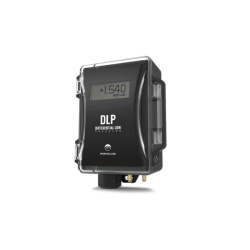
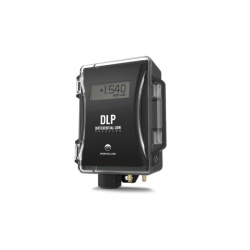
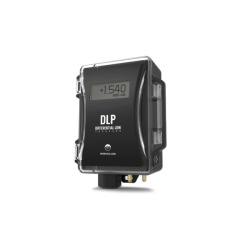
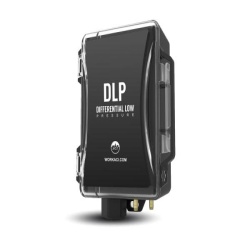
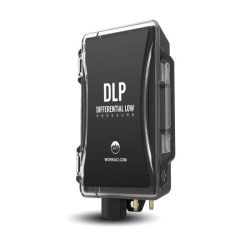
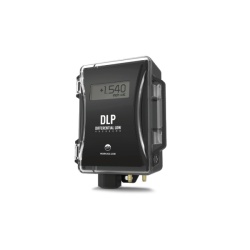
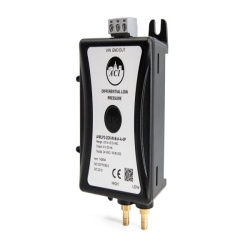
ACI offers a range of pressure-sensing solutions, including differential pressure sensors, static pressure sensors, gauge pressure sensors, vacuum models, and wet-media pressure transmitters. Differential pressure models are commonly used for airflow verification, filter monitoring, and duct or static pressure applications, while gauge and vacuum models support gas and liquid system measurement. Wet-media transmitters are suited for environments where moisture, condensation, or direct liquid contact may be present, making them useful in hydronic and process-related applications. This range of options helps users match the sensor type to the measurement conditions and control requirements of the system.
ACI pressure sensors and transmitters are designed to integrate with building automation systems and control platforms using common output signals such as 4–20 mA and 0–10 V. Their compatibility with BAS, DDC, and monitoring systems makes them practical for both retrofit projects and new installations. With dependable measurement performance and application flexibility, ACI pressure sensors help support stable HVAC operation, improved energy efficiency, and reliable system control in a wide variety of pressure monitoring applications.


FAQs
Q: What are ACI pressure sensors and transmitters used for?
ACI pressure sensors and transmitters are used to measure air, gas, and liquid pressure in HVAC systems, building automation, and light industrial applications. They provide pressure data for control, monitoring, and equipment protection.
Q: What types of pressure sensors and transmitters does ACI offer?
ACI offers differential pressure sensors, static pressure sensors, gauge pressure sensors, vacuum models, and wet-media pressure transmitters for HVAC and industrial monitoring applications.
Q: How accurate are ACI pressure sensors and transmitters?
ACI pressure sensors and transmitters are designed to provide stable, repeatable accuracy suitable for HVAC and BAS control applications. Actual accuracy depends on the model, installation method, and operating conditions.
Q: How do ACI pressure sensors and transmitters integrate with building automation systems?
ACI pressure sensors and transmitters integrate with building automation systems using common output signals such as 4–20 mA and 0–10 V, allowing direct connection to BAS controllers, DDC systems, and monitoring platforms.
Q: Do ACI pressure sensors and transmitters require calibration and maintenance?
Yes. Periodic inspection and calibration help maintain accuracy and reliable system control. Regular maintenance can also help identify tubing issues, blockages, or sensor drift before they affect performance.
Why Buy ACI Pressure Sensors & Transmitters from RSP Supply
RSP Supply offers ACI pressure sensors and transmitters for customers who need dependable pressure monitoring solutions for HVAC, building automation, and light industrial systems. With differential, gauge, vacuum, and wet-media options available, customers can source practical sensing products for airflow control, equipment monitoring, and process support applications.