
Dwyer Pressure Sensors-Transmitters
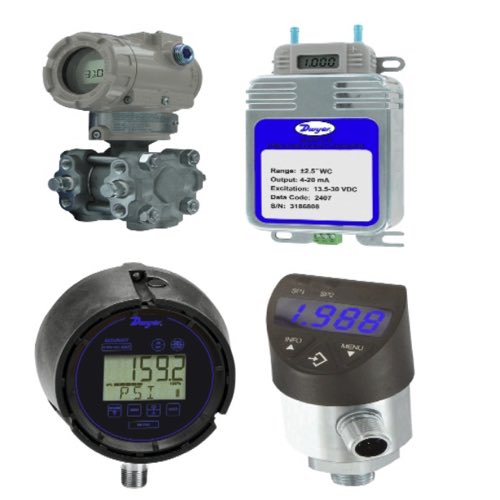
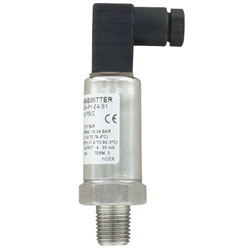
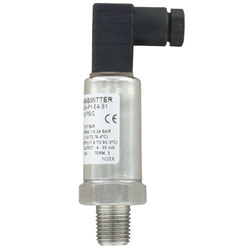
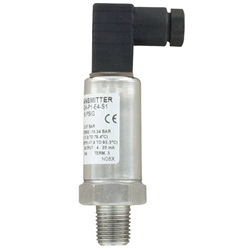
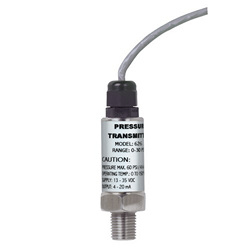
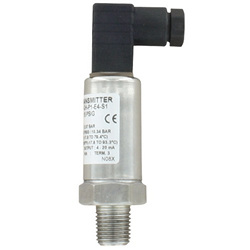
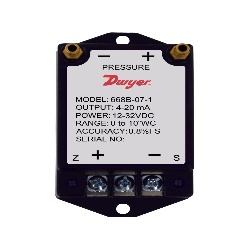
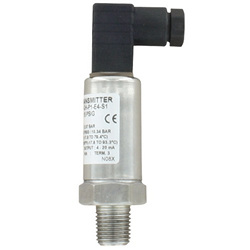
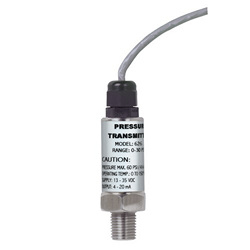
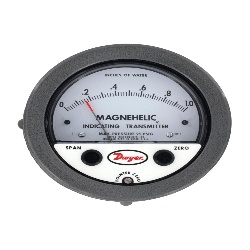
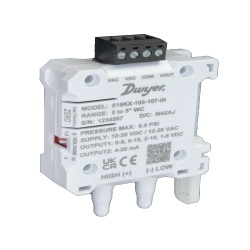
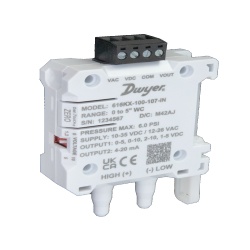
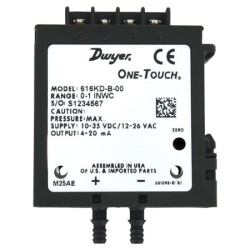
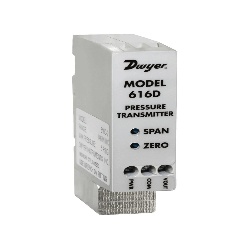
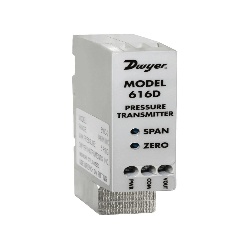
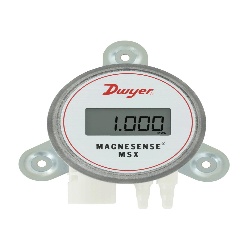
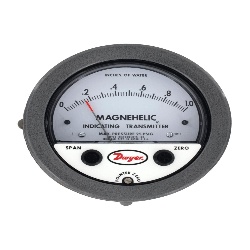
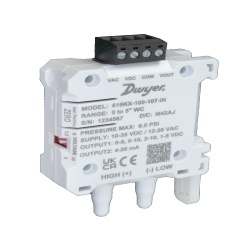
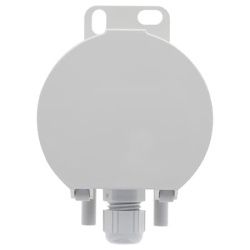
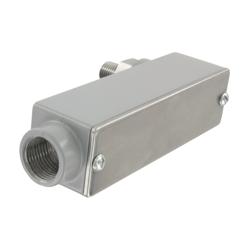
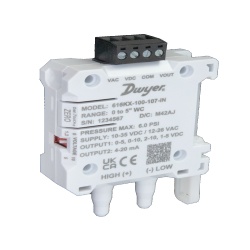
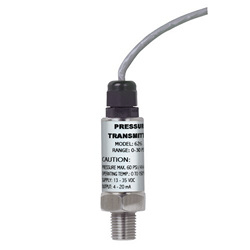
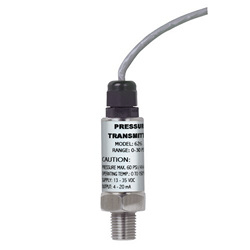
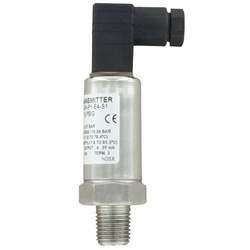
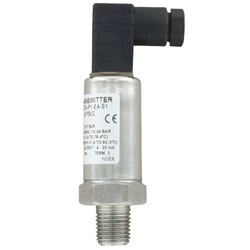
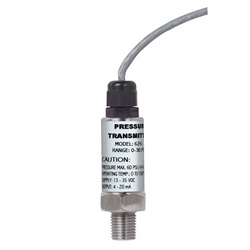
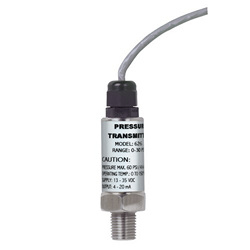
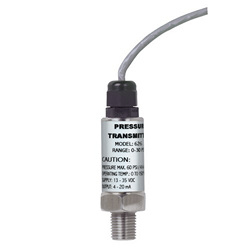
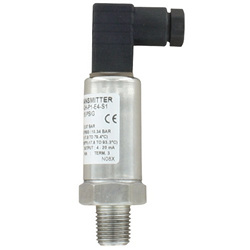
Dwyer pressure sensors and transmitters are available in differential, gauge, absolute, compound, vacuum, and sealed gauge configurations with 4-20 mA, 0-10 V, and digital output options for HVAC, industrial automation, process control, and building monitoring applications.
Dwyer pressure sensors and transmitters are widely used for precise and stable pressure measurement in HVAC systems, industrial automation, process control, and building monitoring applications. Designed to deliver accurate electrical pressure signals, these devices support reliable monitoring of airflow, duct static pressure, liquid systems, and pneumatic controls across a broad range of operating environments. Models are available with NPT, BSPP, and M12 process connections, and electrical outputs including 4-20 mA, 0-5 V, 0-10 V, and HART communication for seamless integration with PLCs and building automation systems.
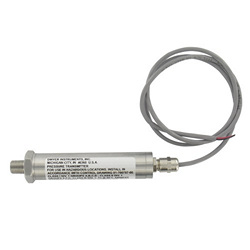
The Dwyer product lineup spans from low-pressure air sensors used in cleanrooms and airflow control to rugged, industrial-grade pressure transmitters built for harsh conditions. Available in stainless steel wetted materials including 316L and 17-4 stainless steel, these devices are engineered to provide consistent performance, long-term stability, and dependable signal output across operating temperatures from -40°C to 150°C. Many models carry RoHS3 and CE compliance for broad application suitability.
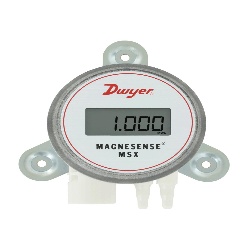
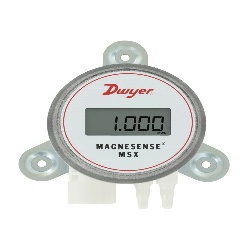
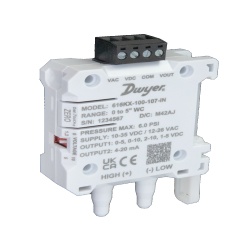
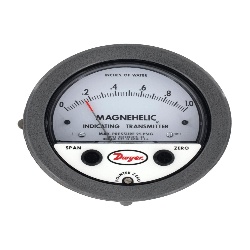
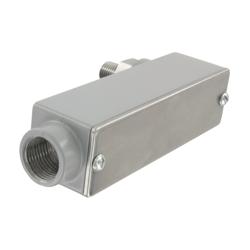
Differential pressure sensors are commonly used for airflow measurement, filter monitoring, and room pressure control, while gauge and compound models support water, gas, and general industrial pressure measurement. Submersible, explosion-proof, intrinsically safe, and sanitary models extend Dwyer's range into specialized applications including wastewater, hazardous locations, food processing, and pharmaceutical environments. This diversity makes Dwyer a trusted choice for HVAC professionals and industrial contractors who require reliable pressure monitoring across multiple applications.
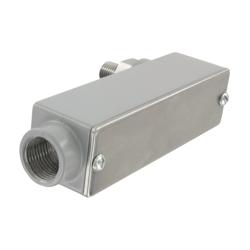
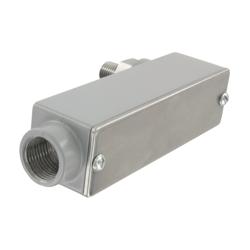
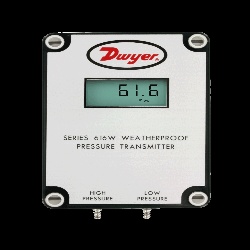
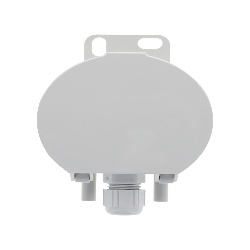

FAQs
Q: What types of pressure sensors does Dwyer offer?
Dwyer offers differential, gauge, absolute, compound, vacuum, and sealed gauge pressure sensors and transmitters designed for HVAC, industrial, and process monitoring applications.
Q: What are differential pressure sensors commonly used for?
Differential pressure sensors are often used for airflow measurement, filter status monitoring, cleanroom pressure control, and duct static pressure applications in HVAC and industrial systems.
Q: Are Dwyer pressure transmitters suitable for industrial environments?
Yes. Dwyer manufactures rugged pressure transmitters in stainless steel housings designed to withstand harsh industrial conditions including exposure to liquids, vibration, and demanding operating environments.
Q: Can Dwyer pressure sensors be integrated with building automation systems?
Yes. Many Dwyer pressure sensors and transmitters provide standard outputs including 4-20 mA, 0-10 V, and digital communication protocols for easy integration with HVAC controls, PLCs, and building automation systems.
Q: What media can Dwyer pressure sensors measure?
Depending on the model, Dwyer pressure sensors can measure air, inert gases, water, organic solvents, oils, and compatible liquids used in HVAC and industrial process applications.
Why Buy Dwyer Pressure Sensors & Transmitters from RSP Supply
RSP Supply offers a comprehensive selection of Dwyer pressure sensors and transmitters to support HVAC, industrial automation, and process control applications. Our product range includes solutions for airflow, liquid pressure, and general industrial monitoring needs. Customers rely on RSP Supply for dependable components, knowledgeable technical support, and access to trusted pressure measurement solutions used across a wide range of industries.