

PCB Connectors
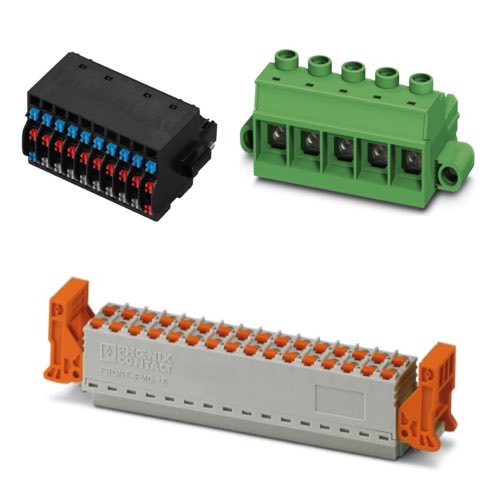
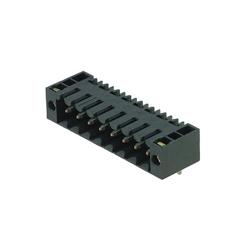
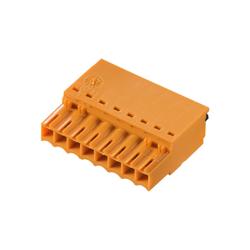
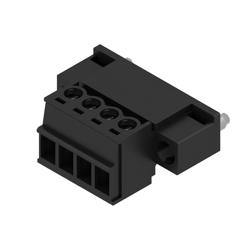
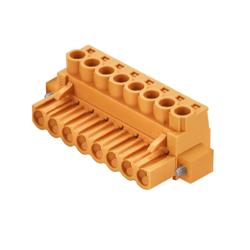
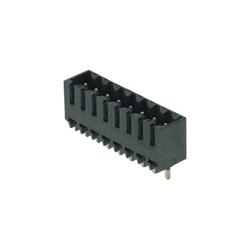
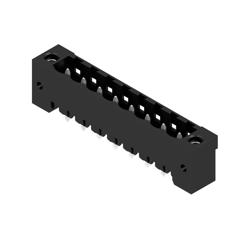
PCB connectors are an efficient means of creating a reliable interconnection for passing power, signal, and data between a printed circuit board and another circuit board, module, or device. They are commonly used in industrial controls, automation systems, telecommunication equipment, embedded systems, and many other electronic applications.
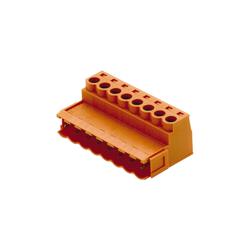
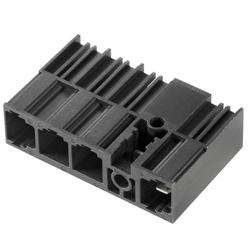
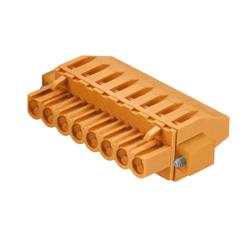
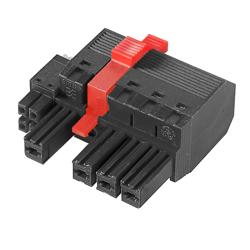
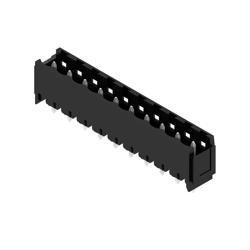
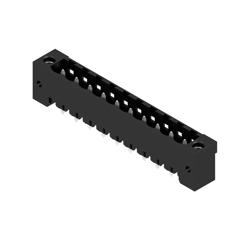
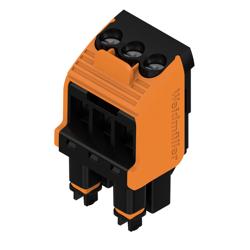
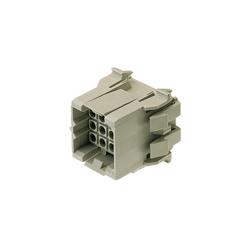
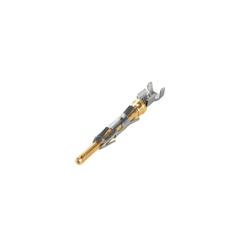
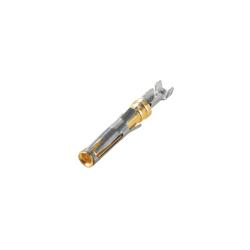
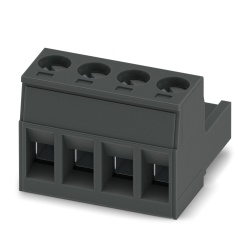
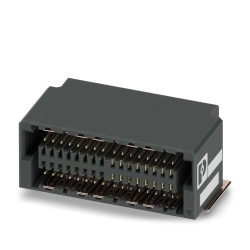
PCB connectors are available in many different configurations to suit any design and application, with pin headers, board-to-board connectors, wire-to-board, and ribbon cables. They can be designed to match your pitch size, number of contacts, and mounting method. Additionally, they are often constructed to be withstand a high number of mating cycles and to be able to resist vibration, making them ideal for industrial and commercial applications.
There are a variety of factors that must be considered when choosing a PCB connector, such as the connector's current carrying capacity, operating voltage, and contact material. PCB connectors ensure a reliable and secure connection, providing stable performance while minimizing signal loss.

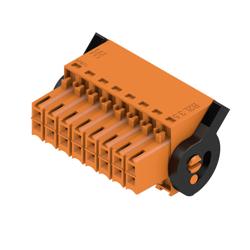
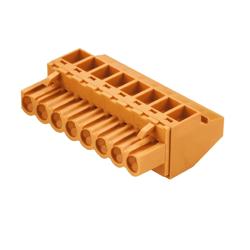
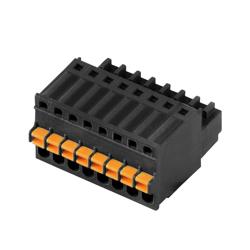
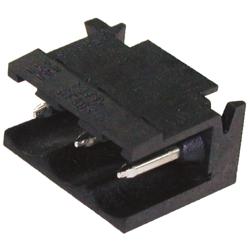
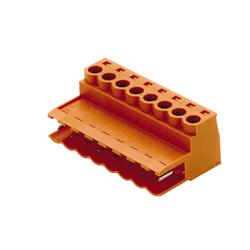
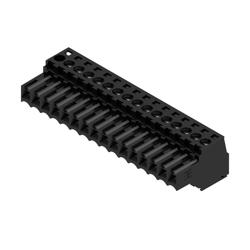
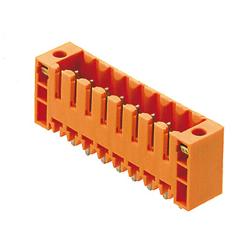


FAQs
What are PCB connectors used for?
PCB connectors are used to connect printed circuit boards to wires, cables, other circuit boards, or external devices. They help transfer power, signals, or data while allowing easier assembly, service, and replacement.
What is the difference between board-to-board and wire-to-board PCB connectors?
Board-to-board PCB connectors connect two circuit boards together, while wire-to-board PCB connectors connect individual wires or cable assemblies to a printed circuit board. Both are used to make electronic systems easier to assemble and maintain.
What are the most common types of PCB connectors?
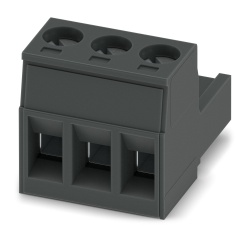
Common PCB connector types include board-to-board connectors, wire-to-board connectors, pin headers, socket headers, ribbon cable connectors, edge connectors, and pluggable PCB connectors.
How do I choose the right PCB connector?
Choose a PCB connector based on pitch, number of positions, current rating, voltage rating, mounting style, termination method, locking mechanism, and whether the application requires power, signal, or data transmission.
What does pitch mean on a PCB connector?
Pitch is the distance between the center of one contact and the center of the next contact. Matching the correct pitch is important so the connector fits the PCB layout and mates properly with the corresponding plug, header, or socket.
Why Buy PCB Connectors from RSP Supply?
PCB connectors are essential for reliable signal and data transfer within electronic and industrial systems, and choosing the right connector can make or break performance. At RSP Supply, we help you quickly identify the correct connector type based on your application—whether you need board-to-board, wire-to-board, or ribbon cable connectivity. Our team understands the nuances of pitch spacing, current capacity, and mating cycles, so you get a solution that works the first time.