
All Monitoring Relays
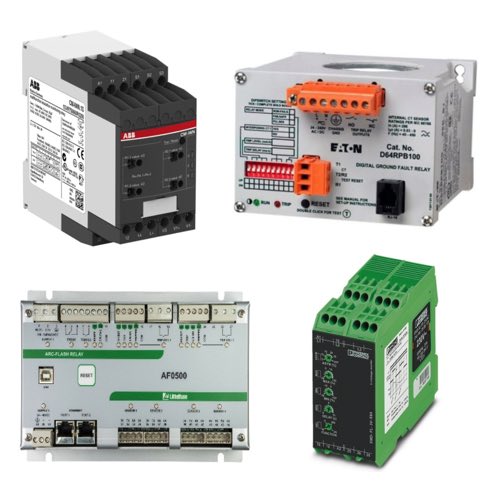
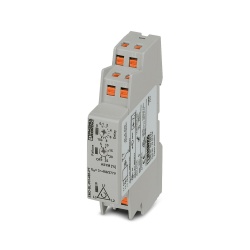
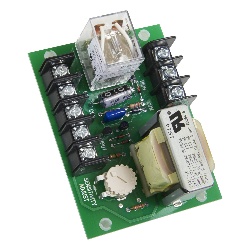
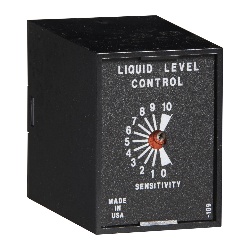
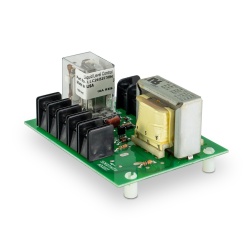
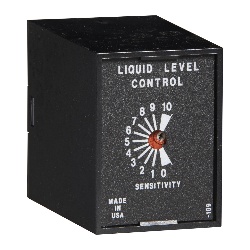
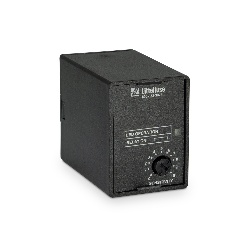
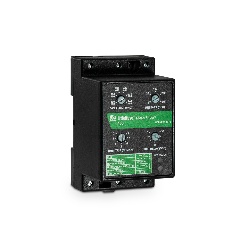
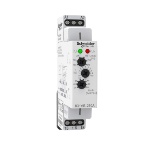
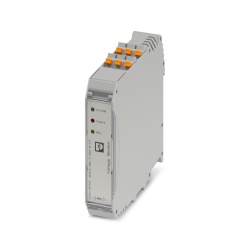
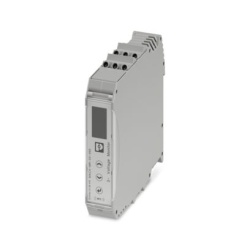
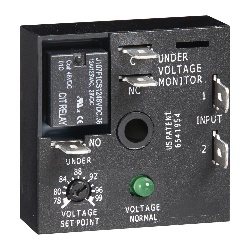
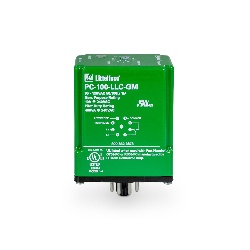
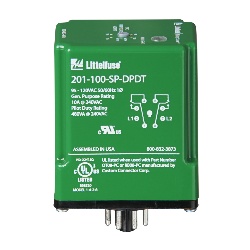
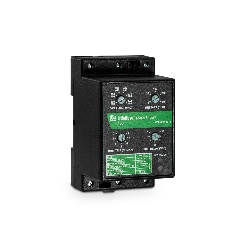
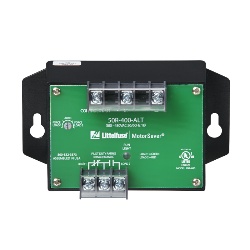
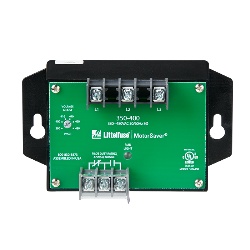
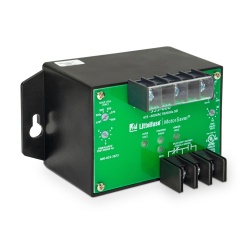
Monitoring relays are protective control devices designed to detect electrical abnormalities and change output state when monitored values exceed preset thresholds. They are widely used in industrial automation, machinery, and control panels to protect equipment from conditions such as overvoltage, undervoltage, phase loss, phase imbalance, frequency deviation, and insulation faults. By identifying electrical issues early, monitoring relays help improve system reliability, availability, and operational safety.
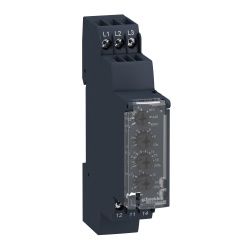
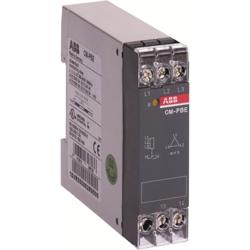
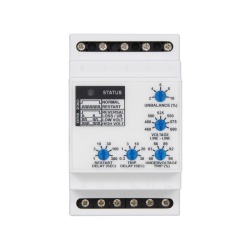
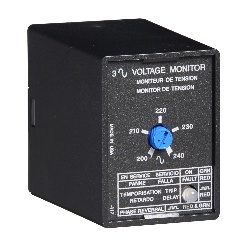
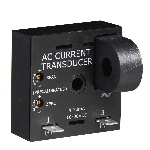
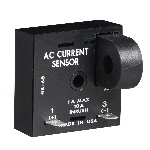
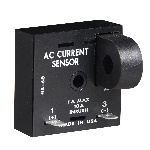
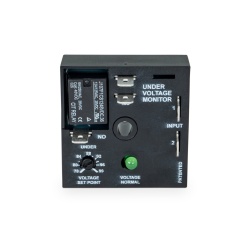
Voltage and phase monitoring relays are used in single-phase and three-phase systems to protect motors, drives, compressors, and sensitive electronics from damaging power conditions. These relays detect faults including phase sequence errors and voltage imbalance, helping prevent overheating, nuisance tripping, and premature equipment failure. Current monitoring relays measure load current to detect overload, underload, motor stall, or dry-run conditions in pumps, conveyors, blowers, and rotating machinery.
Specialty monitoring relays include frequency monitoring, insulation monitoring, and power factor monitoring devices used in generators, renewable energy systems, critical power applications, and fail-safe installations. Most monitoring relays feature adjustable trip points and DIN-rail mounting for streamlined integration into control panels and motor protection circuits.
 ABB Monitoring Relays
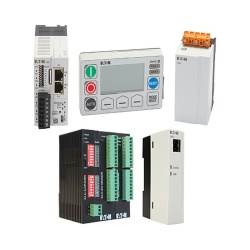
 Eaton Monitoring Relays
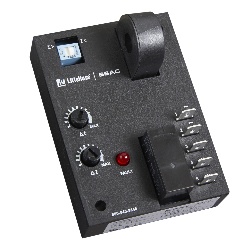
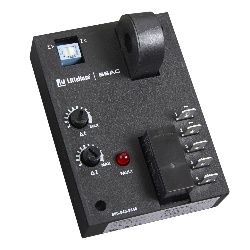
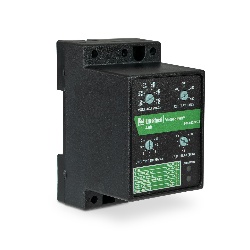
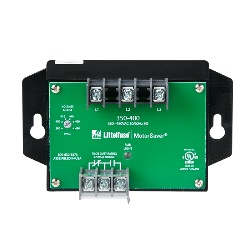
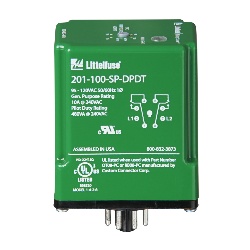
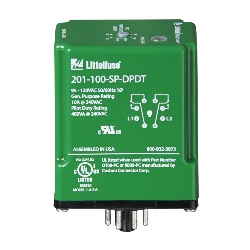
 Littelfuse Monitoring Relays
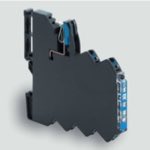 Lutze Monitoring Relays
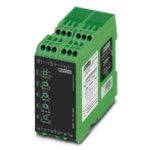 Phoenix Contact Monitoring Relays
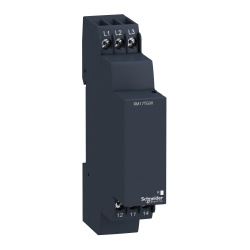
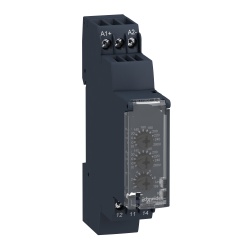
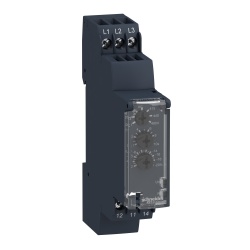
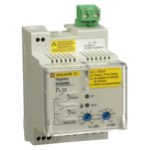 Schneider Electric Monitoring Relays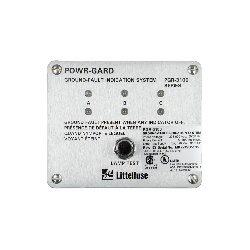






FAQs
Q: What are monitoring relays used for in industrial applications?
Monitoring relays continuously supervise electrical conditions such as voltage, current, phase, and frequency to protect equipment from abnormal operating conditions. They are commonly installed in control panels, motor control centers, pumps, compressors, conveyors, HVAC systems, and power distribution systems.
Q: What types of monitoring relays are available?
Common types include voltage monitoring relays, phase monitoring relays, current monitoring relays, and frequency monitoring relays. These devices detect faults such as overvoltage, undervoltage, phase loss, phase imbalance, overload, underload, and frequency deviation.
Q: How do voltage and phase monitoring relays protect electrical equipment?
They detect abnormal voltage levels, incorrect phase sequence, phase loss, or imbalance. When a fault is detected, the relay output changes state to shut down equipment or trigger an alarm, helping prevent overheating and electrical damage.
Q: What are current monitoring relays used for?
Current monitoring relays measure load current to identify overload, underload, stalled motors, or dry-run conditions. They are commonly used in pumps, fans, conveyors, and rotating equipment to detect operating faults early.
Q: Are monitoring relays used in control panels and motor protection circuits?
Yes. Monitoring relays are widely used in control panels and motor protection circuits. They typically feature adjustable setpoints, DIN-rail mounting, and compatibility with industrial control voltages.
Q: Why are monitoring relays important in industrial automation systems?
Monitoring relays help prevent equipment damage, reduce downtime, improve reliability, and enhance safety by detecting electrical faults before they escalate into major failures.
Why Buy Monitoring Relays from RSP Supply
RSP Supply offers a comprehensive selection of monitoring relays for voltage, current, phase, frequency, and specialty protection applications. With adjustable settings and DIN-rail mounting options, these devices integrate seamlessly into industrial control panels and automation systems. Customers rely on RSP Supply for dependable protective components and knowledgeable support for motor protection and power monitoring solutions.