

ACI RTDs
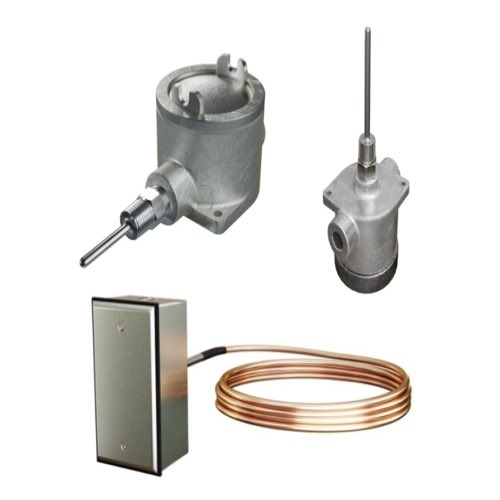
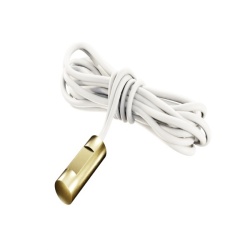
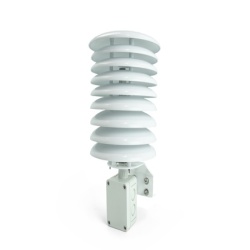
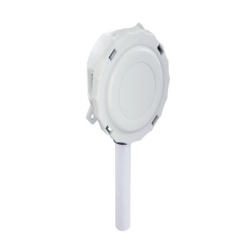
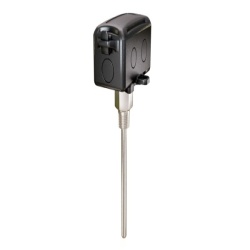
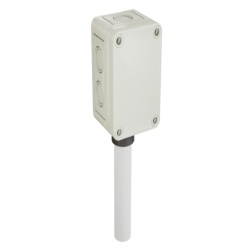
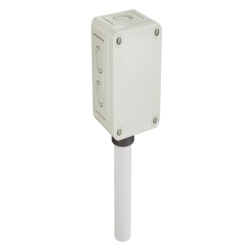
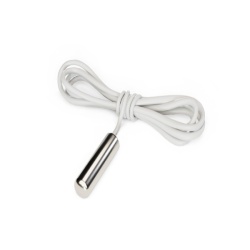
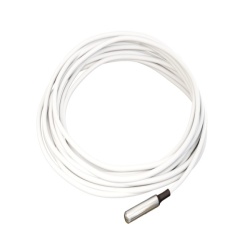
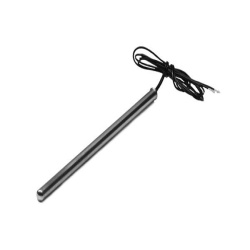
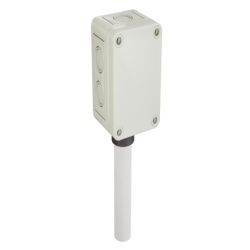
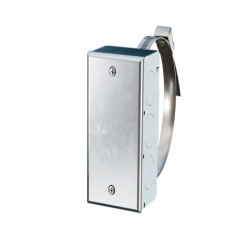
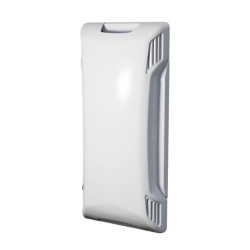
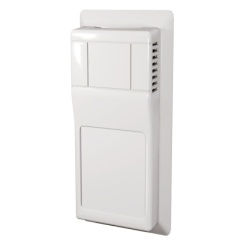
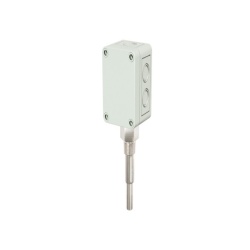
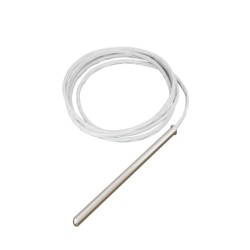
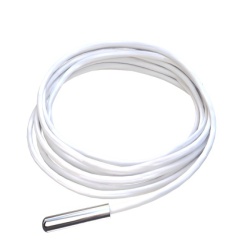
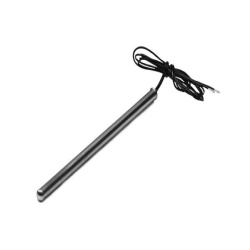
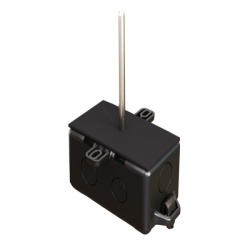
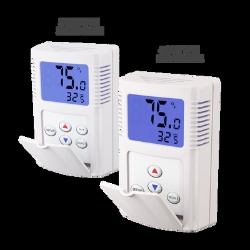
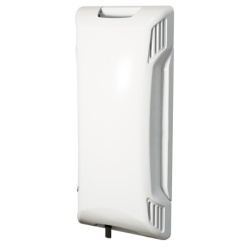
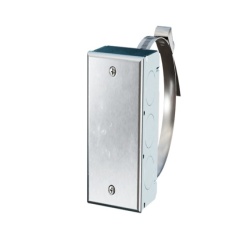
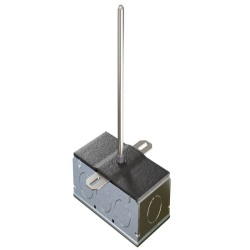
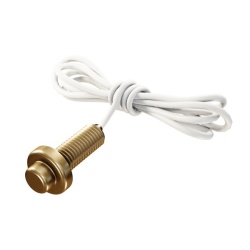
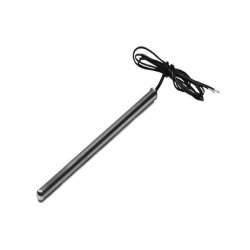
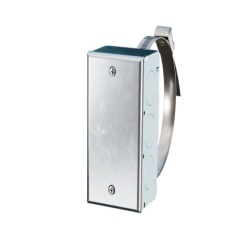
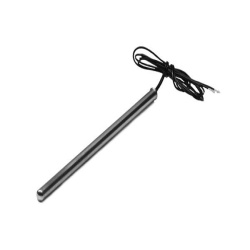
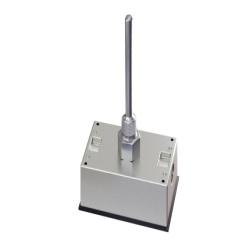
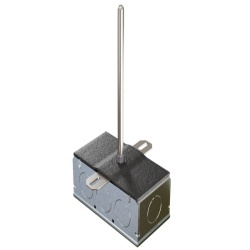
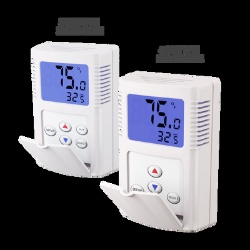
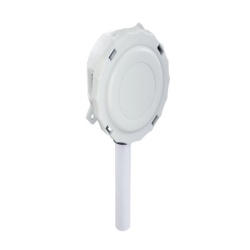
ACI RTDs (Resistance Temperature Detectors), manufactured by Automation Components, Inc., are designed to deliver precise and repeatable temperature measurement across industrial, commercial, and building automation systems. RTDs are widely regarded as one of the most accurate temperature sensing technologies available, making them ideal for applications where consistency, stability, and long-term reliability are critical.
Built around precision resistance elements, ACI RTDs provide accurate temperature readings with minimal drift over time. Their rugged construction allows dependable operation in a wide range of environments, from indoor HVAC systems to outdoor refrigeration units and industrial process equipment. These sensors are engineered to withstand environmental exposure while maintaining measurement integrity throughout extended service life. ACI RTDs are designed with both performance and ease of installation in mind. Their straightforward design allows for efficient field installation while still delivering high-level sensing performance. With options suited for diverse mounting methods, temperature ranges, and control system requirements, ACI RTDs integrate seamlessly into modern automation and monitoring systems.
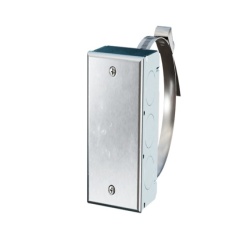
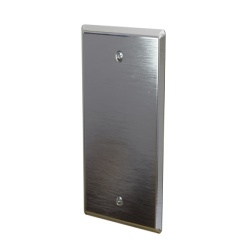
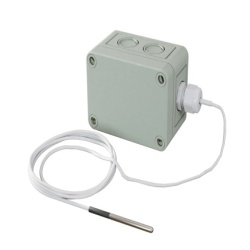
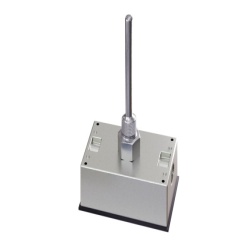
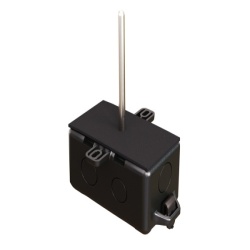

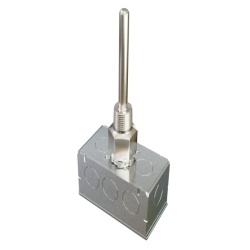
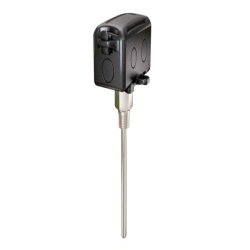
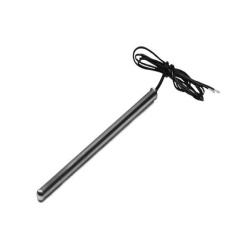
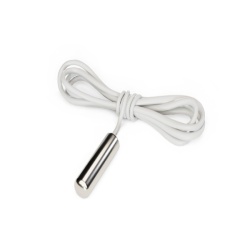
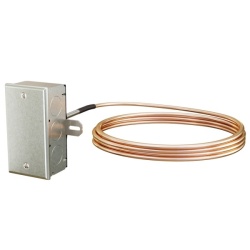
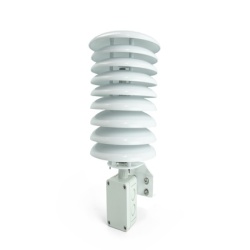
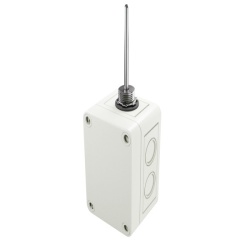

FAQs
Q: What is an RTD sensor used for?
RTDs are used to measure temperature accurately by detecting changes in electrical resistance, commonly in industrial processes, HVAC systems, and building automation applications.
Q: Why are RTDs considered highly accurate?
RTDs offer excellent repeatability and long-term stability with minimal signal drift, making them more accurate than many other temperature sensing technologies in standard operating ranges.
Q: What environments can ACI RTDs be used in?
ACI RTDs are suitable for industrial equipment, HVAC systems, refrigeration units, outdoor installations, and commercial building automation environments.
Q: Are ACI RTDs easy to install?
Yes, ACI RTDs are designed for straightforward installation, allowing technicians to integrate them into existing systems efficiently.
Q: How do RTDs compare to thermocouples?
RTDs generally provide higher accuracy and stability over time, while thermocouples are better suited for extremely high-temperature applications.
Why Buy ACI RTDs from RSP Supply
RSP Supply offers a dependable selection of ACI RTDs designed for accurate temperature measurement and long-term reliability. Customers rely on RSP Supply for access to trusted ACI sensing solutions that integrate easily into industrial and building automation systems while supporting consistent performance and system efficiency.