

Limit Switches

Limit switches are electromechanical devices used in industrial systems to detect the presence, position, or movement of objects and provide a corresponding electrical signal to a control circuit. They play a critical role in automation, safety interlocking, and equipment monitoring by signaling when a mechanical limit or end-of-travel condition has been reached. RSP Supply offers a full selection of limit switches designed for reliable operation in demanding industrial environments.
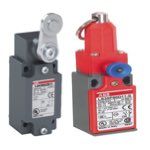
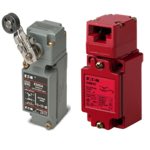
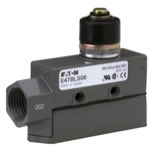
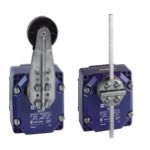
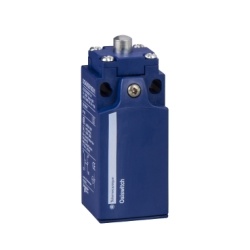
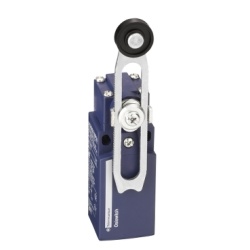
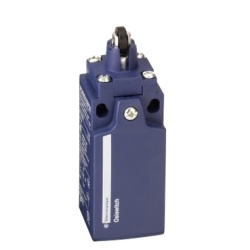
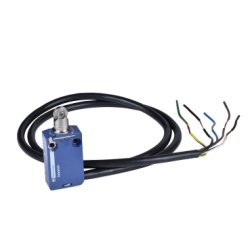
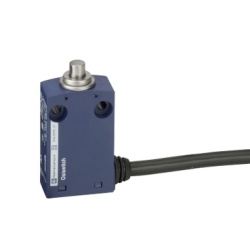
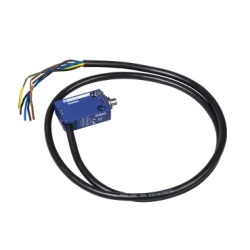
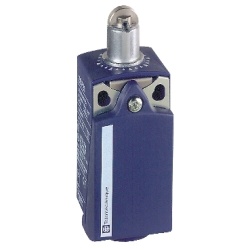
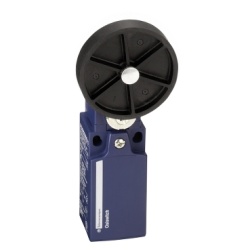
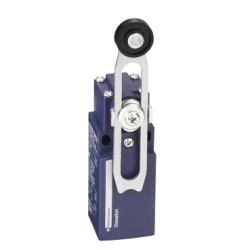
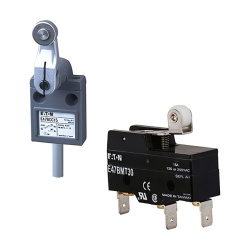
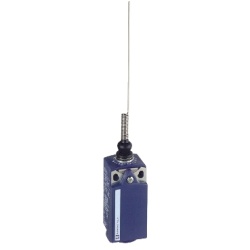
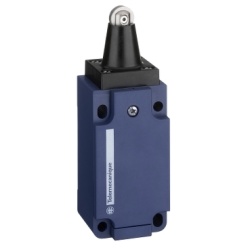
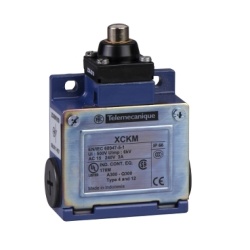
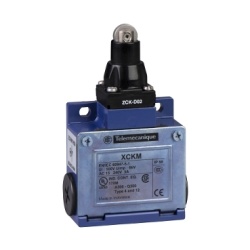
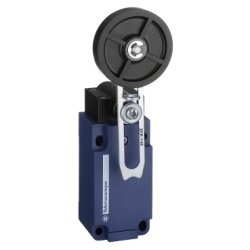
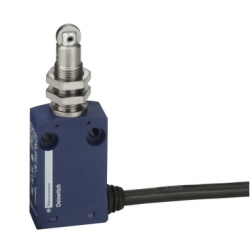
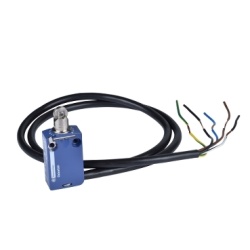
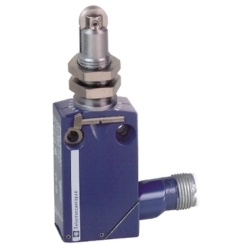
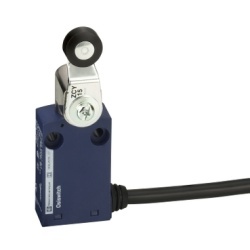
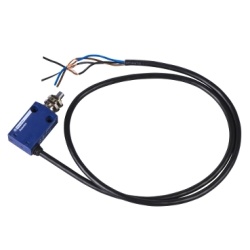
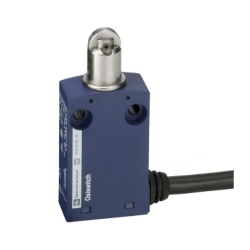
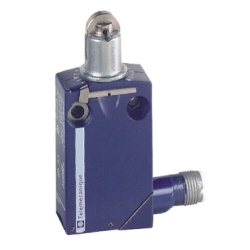
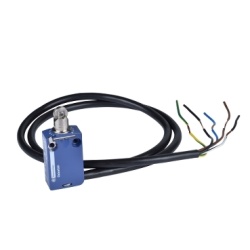
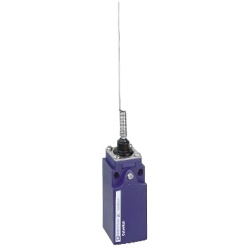
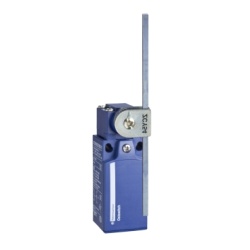
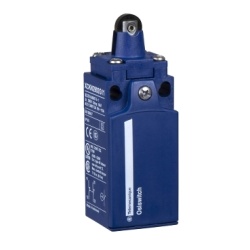
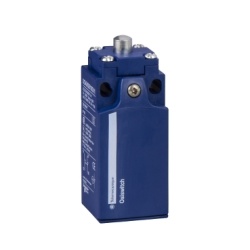
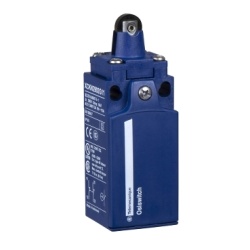
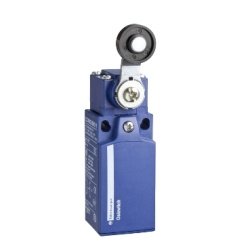
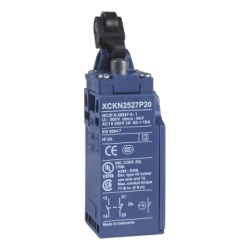
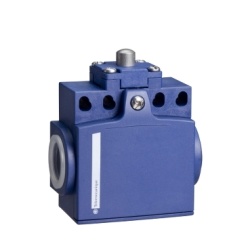
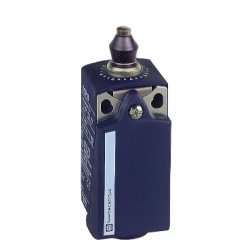
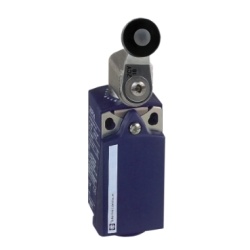
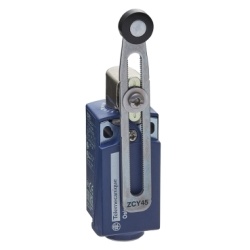
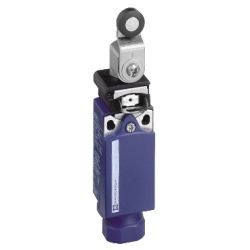
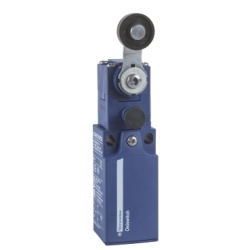
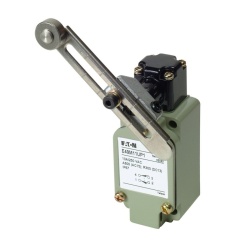
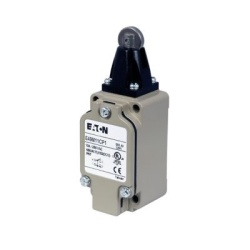
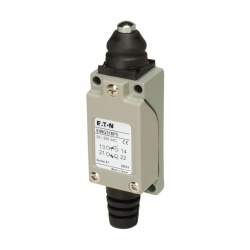
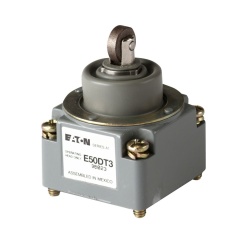
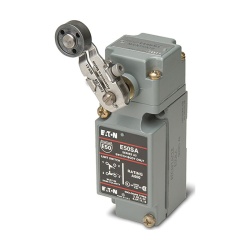
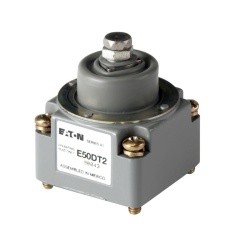
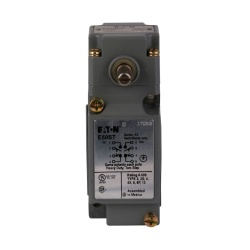
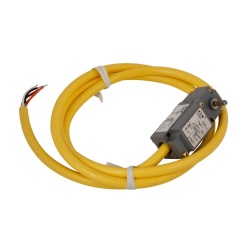
Mechanical limit switches operate through a physical actuator, such as a roller lever, plunger, or rotary arm, that is engaged by moving equipment or components. When actuated, the switch opens or closes electrical contacts, allowing it to start, stop, or alter machine operation. This direct mechanical interaction provides positive feedback and dependable performance, making limit switches well-suited for applications exposed to dust, moisture, vibration, or temperature extremes.
Limit switches built to NEMA and IEC standards are engineered for durability, long service life, and consistent operation under continuous use. Safety limit switches, a specialized category within this group, are commonly used to protect personnel and equipment by stopping machinery when unsafe conditions occur.

FAQs
Q: What is a limit switch and how does it work?
A limit switch is an electromechanical device that detects the position or movement of an object by physical contact with an actuator. When the actuator is engaged, the switch changes the state of its electrical contacts, signaling that a preset limit has been reached.
Q: What are limit switches commonly used for?
Limit switches are used for position sensing, end-of-travel detection, machine control, counting operations, and safety interlocking in applications such as conveyors, packaging machinery, robotics, elevators, and material handling systems.
Q: What types of limit switches are available?
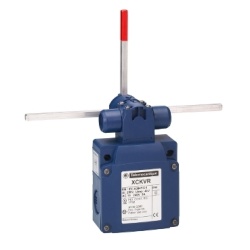
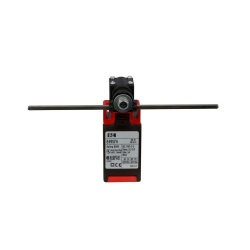
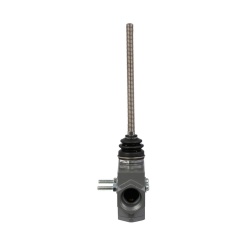
Limit switches are available in configurations such as roller lever, plunger, whisker, rotary arm, and heavy-duty safety switches. The appropriate type depends on the motion being detected, environmental conditions, and required electrical ratings.
Q: How do limit switches differ from proximity sensors?
Limit switches require physical contact to actuate, while proximity sensors detect objects without contact. Limit switches are often chosen for their mechanical reliability and positive feedback, particularly in safety-critical or high-load applications.
Q: Do limit switches require maintenance?
Yes, periodic inspection is recommended to check actuator wear, mounting alignment, and electrical connections. Regular maintenance helps ensure accurate detection and extends the service life of the switch.
Why Buy Limit Switches from RSP Supply
RSP Supply offers a broad range of industrial limit switches designed for dependable control and safety performance. Our selection includes rugged designs that meet NEMA and IEC standards and support a wide variety of industrial applications. Customers rely on RSP Supply for proven components, technical expertise, and solutions that deliver consistent and reliable operation in critical control systems.