

Eaton Limit Switches
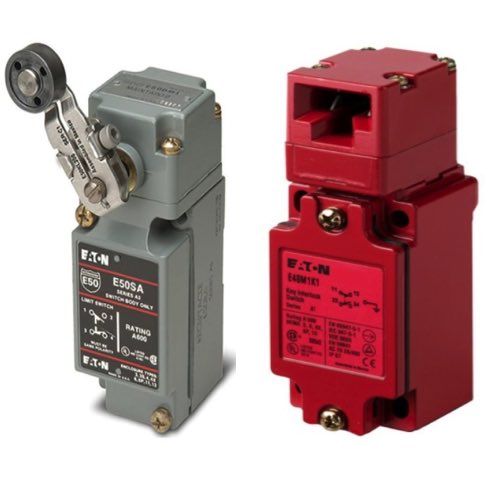
Eaton limit switches are designed to provide reliable position sensing and mechanical feedback in industrial and commercial equipment. RSP Supply offers Eaton limit switches for applications where accurate motion detection, dependable switching, and rugged construction are essential to machine control and system safety. These devices are commonly used in manufacturing machinery, conveyors, automated systems, process equipment, material handling systems, industrial doors, packaging equipment, and robotics, where position feedback supports efficient and reliable operation.
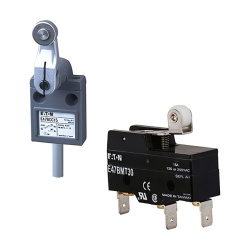
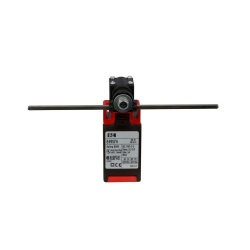
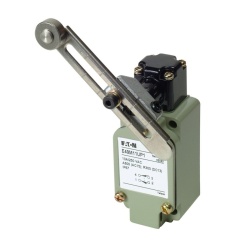
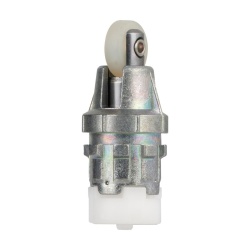
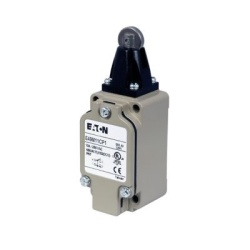
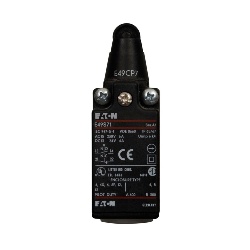
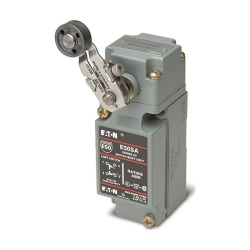
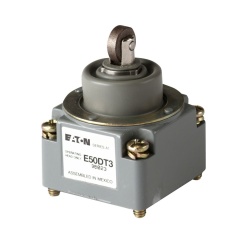
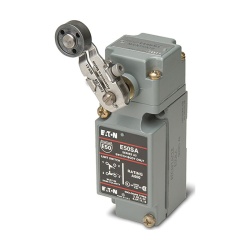
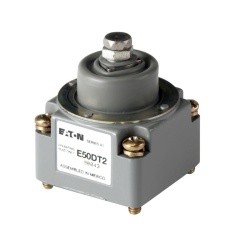
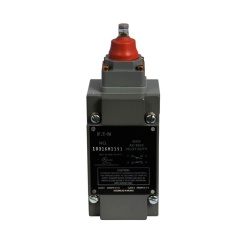
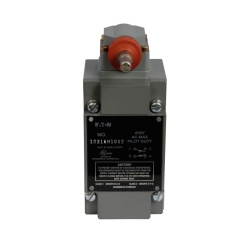
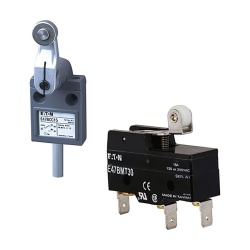
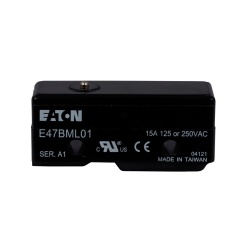
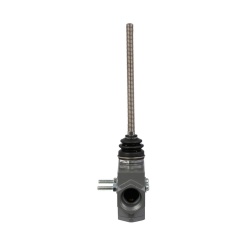
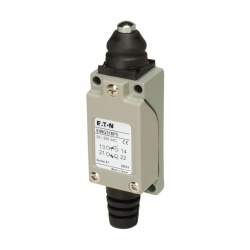
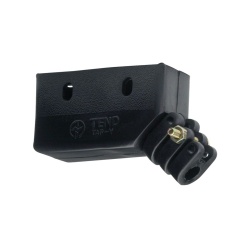
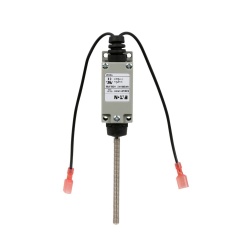
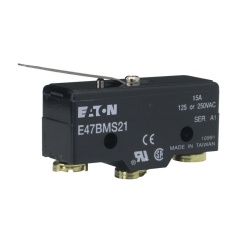
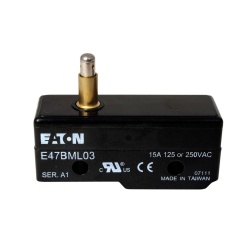
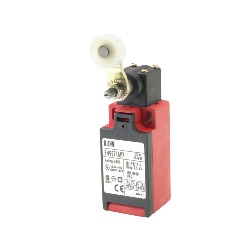
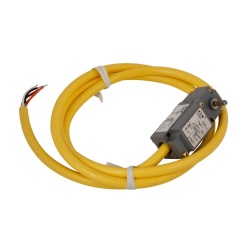
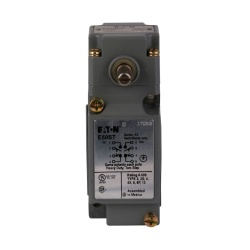
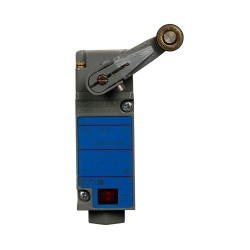
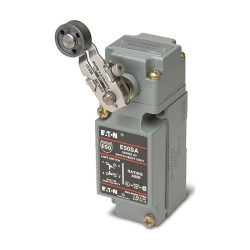
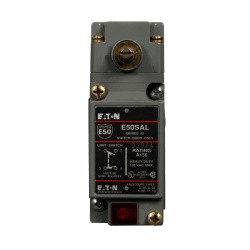
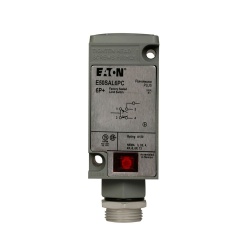
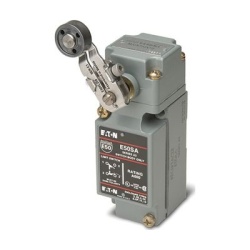
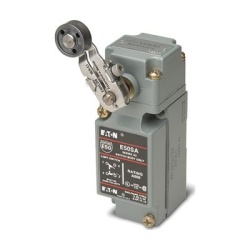
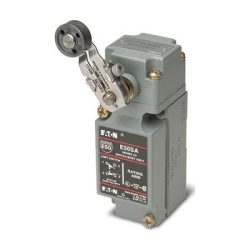
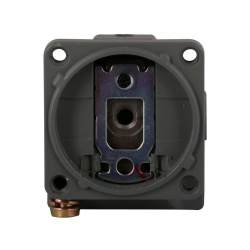
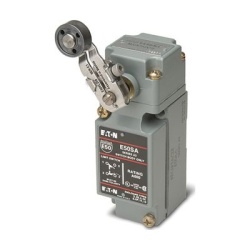
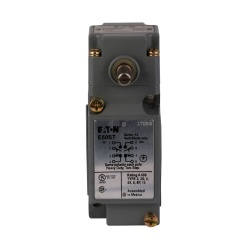
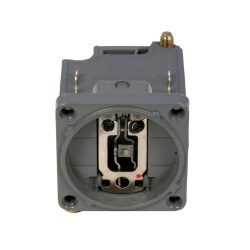
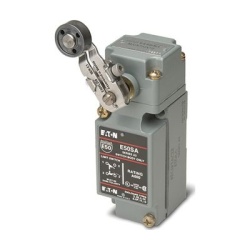
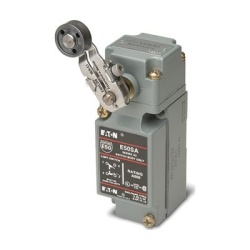
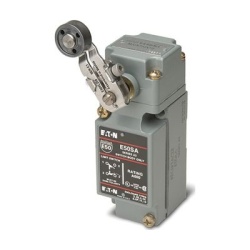
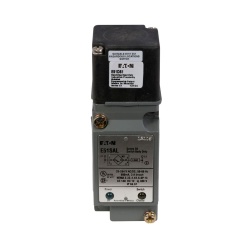
Eaton limit switches are available in a wide range of actuator styles and configurations to match different types of mechanical motion and installation requirements. Common actuator options include roller levers, adjustable levers, plungers, top-push buttons, rod actuators, push rods, and actuating arms for linear or angular actuation. Eaton offers both micro and large body styles, along with compact sealed and corrosion-resistant designs suited for different environments. These switch families are used for part registration, travel detection, end-of-travel sensing, door interlocks, sequencing, and event confirmation in machine control systems.
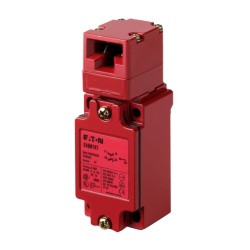
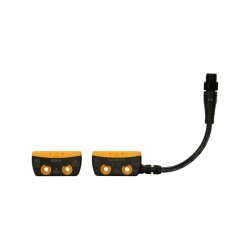
Eaton limit switches are built for demanding industrial use with rugged housings, durable switching mechanisms, and designs intended to withstand vibration, dust, moisture, and repeated cycling. Many models also support safety-related applications through sealed constructions and ratings suited for interlocks, guard monitoring, and other critical control functions. With reliable actuation performance and broad application flexibility, Eaton limit switches help support accurate detection, safer machine operation, and long-term performance across industrial automation environments.

FAQs
Q: What are Eaton limit switches used for?
Eaton limit switches detect the position or movement of mechanical components in industrial machines, providing reliable feedback for automation, sequencing, safety interlocks, and machine control.
Q: What actuator styles and configurations are available in Eaton limit switches?
Eaton offers a broad range of actuator styles such as roller levers, adjustable levers, plungers, top-push buttons, and rod actuators, along with multiple housing sizes, contact arrangements, and mounting options.
Q: Are Eaton limit switches durable enough for heavy industrial use?
Yes, Eaton builds its limit switches with rugged housings, corrosion-resistant materials, and long-life mechanical components designed to withstand vibration, dust, moisture, and high-cycle operation.
Q: Can Eaton limit switches be used in safety-critical or hazardous locations?
Many Eaton limit switches include safety-oriented designs, sealed housings, and electrical ratings that support applications such as safety interlocks, guard door monitoring, and other demanding industrial uses.
Q: Where are Eaton limit switches commonly used?
Eaton limit switches are commonly used in manufacturing machinery, conveyors, packaging equipment, material handling systems, industrial doors, robotics, and automated process systems.
Why Buy Eaton Limit Switches from RSP Supply
RSP Supply offers Eaton limit switches for customers who need dependable position sensing and safety detection in industrial machinery and automation systems. With multiple actuator styles, housing types, and rugged configurations available, customers can source practical solutions for motion feedback, interlocking, and machine control.